
 By Callum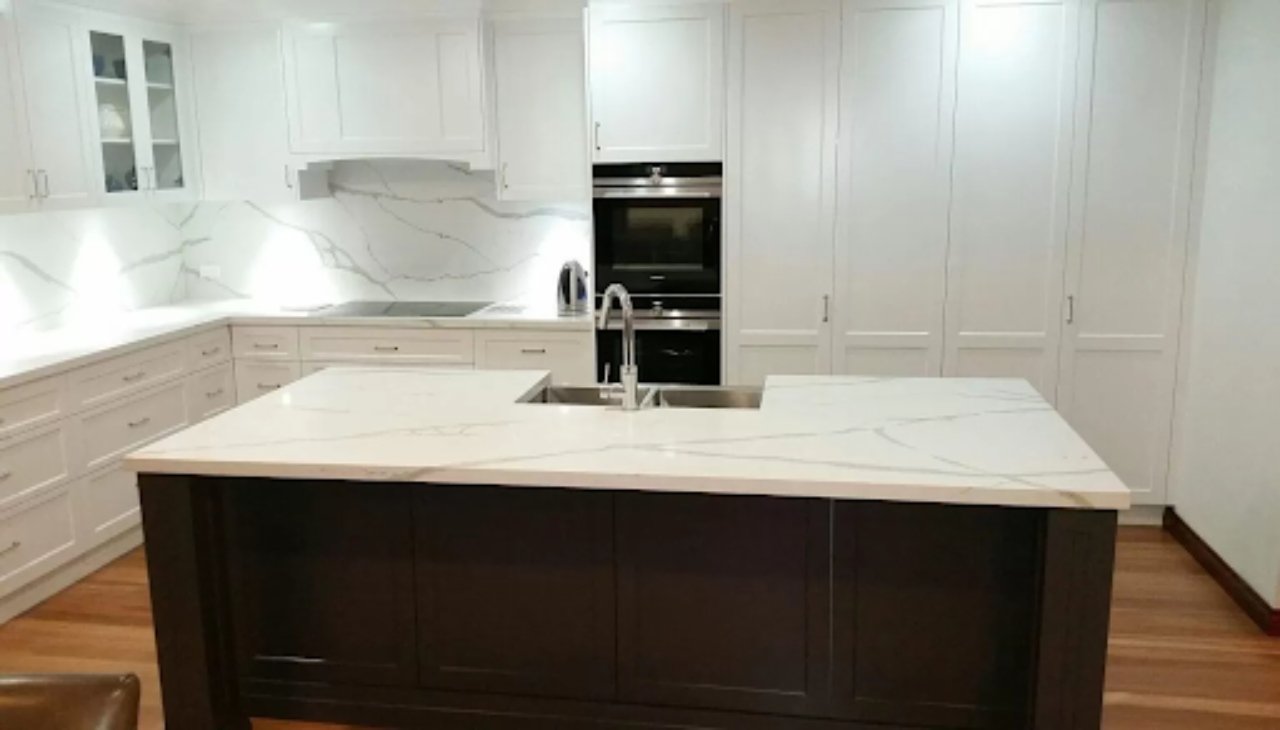
A kitchen should feel like more than just a place to cook. It should feel warm, welcoming, and practical for everyday life. That is why many homeowners are drawn to designs that mix classic charm with modern convenience. One of the most popular styles doing this well is the French Provincial kitchen. It offers timeless beauty while still supporting the needs of a busy, modern home.
In this article, you will learn how to blend traditional details with modern kitchen functionality. We will cover what defines the French Provincial look, how to plan a functional layout, and which design elements matter most. The goal is simple. Create a kitchen that feels elegant but works effortlessly every day.
What Makes a French Provincial Kitchen Special
Origins and Timeless Appeal
French Provincial design comes from the countryside of France. Homes in these regions were practical but beautifully crafted. Kitchens were built to last, using natural materials and careful detailing. Over time, this style became known for its balance of comfort and refinement.
Today, homeowners still love this look because it never feels outdated. The style feels calm, warm, and lived in. It also adapts well to modern homes, which is why it remains so popular.
Core Visual Elements
Several features define a French Provincial kitchen. These include detailed cabinetry, soft colour palettes, and natural textures. You often see timber finishes, stone benchtops, and classic moulding on doors and drawers.
The design focuses on balance. Nothing feels too sharp or cold. Instead, curves, gentle edges, and layered details create a welcoming space that feels both elegant and relaxed.
Planning Your Functional French Provincial Kitchen
Balancing Beauty and Use
A beautiful kitchen is not helpful if it is hard to use. Planning is where traditional style and modern needs must meet. Start by thinking about how you use your kitchen each day. Consider cooking habits, storage needs, and how people move through the space.
Good workflow matters. The sink, cooktop, and fridge should be easy to reach. Benchtops should allow enough space for food prep. A French Provincial design works best when these practical choices are made first, then styled with classic details.
Light and Air: Modern Needs with Traditional Feel
Older kitchens were often dark and enclosed. Modern living demands more light and openness. Natural light helps a kitchen feel larger and more comfortable. Large windows, glass doors, or even skylights work well with this style.
Layered lighting is also important. Pendant lights above an island, soft overhead lighting, and task lighting under cabinets help the kitchen function well at any time of day.
Key Design Components for a Modern French Provincial Kitchen
Cabinetry That Speaks History but Works Today
Cabinetry is the heart of this style. Shaker or raised panel doors are common choices. These designs feel traditional without being overly ornate. Decorative moulding adds character, but it should not overwhelm the space.
Modern functionality comes from what is inside the cabinets. Soft-close drawers, pull-out shelves, and built-in organisers make daily use easier while keeping the classic look intact.
Colour Palettes That Work
French Provincial kitchens usually rely on soft, neutral colours. Whites, creams, light greys, and muted blues are popular. These shades help reflect light and keep the space feeling calm.
You can add depth with contrast. A darker island, warm timber accents, or aged brass hardware adds interest without breaking the traditional feel.
Materials: Natural Meets Durable
Natural materials are a key part of this style. Timber floors, stone benchtops, and tiled splashbacks are common. Marble has long been associated with French kitchens, but modern quartz can offer a similar look with less maintenance.
The goal is to choose materials that age well and handle daily wear. This is where modern upgrades quietly support the classic design.
Blending Traditional Features with Modern Functionality
Anchoring Classic Details with Modern Layouts
Open-plan living has changed how kitchens are used. French Provincial kitchens adapt well to this by using islands and open layouts. An island can act as a prep area, dining space, and social hub.
Many homeowners explore different french provincial kitchens to see how designers blend detailed cabinetry with open, functional layouts. Thoughtful planning ensures the kitchen feels traditional while supporting modern living needs.
Smart Appliances with Classic Character
Modern appliances are essential, but they do not have to stand out. Integrated fridges, panelled dishwashers, and classic-style ovens help maintain the look.
Appliances with simple lines and neutral finishes blend more easily into a traditional kitchen. This keeps the focus on craftsmanship rather than technology.
Hardware and Fixtures That Bridge Old and New
Handles, taps, and lighting fixtures play a big role in tying everything together. Brushed brass, antique bronze, or matte black finishes work well. Bridge-style taps and classic pendant lights add charm without sacrificing performance.
These small choices help connect traditional design with modern expectations.
Styling and Atmosphere
Decorative Pieces That Add Warmth
Styling brings the kitchen to life. Open shelves can display ceramic dishes, glass jars, or copper cookware. These items add texture and tell a story without cluttering the space.
Keep decoration simple and purposeful. Too many accessories can make the kitchen feel busy.
Textiles and Greenery for Comfort
Soft furnishings add warmth. Linen tea towels, small rugs, or seat cushions make the space feel lived in. Fresh herbs or indoor plants add colour and life while staying true to the natural theme of the style.
Common Mistakes to Avoid
One common mistake is focusing too much on decoration and not enough on layout. A kitchen that looks beautiful but feels cramped or awkward will not age well.
Another issue is overdoing ornate details. French Provincial style should feel balanced, not heavy. Simplicity allows the craftsmanship to shine and keeps the kitchen practical.
Conclusion
Blending traditional details with modern kitchen functionality is all about balance. French Provincial kitchens succeed because they respect history while embracing modern living. With thoughtful planning, smart material choices, and subtle styling, you can create a kitchen that feels timeless and works beautifully every day.
A well-designed kitchen should support your life, not complicate it. When traditional charm meets modern practicality, the result is a space that feels both elegant and effortless.