
 By Callum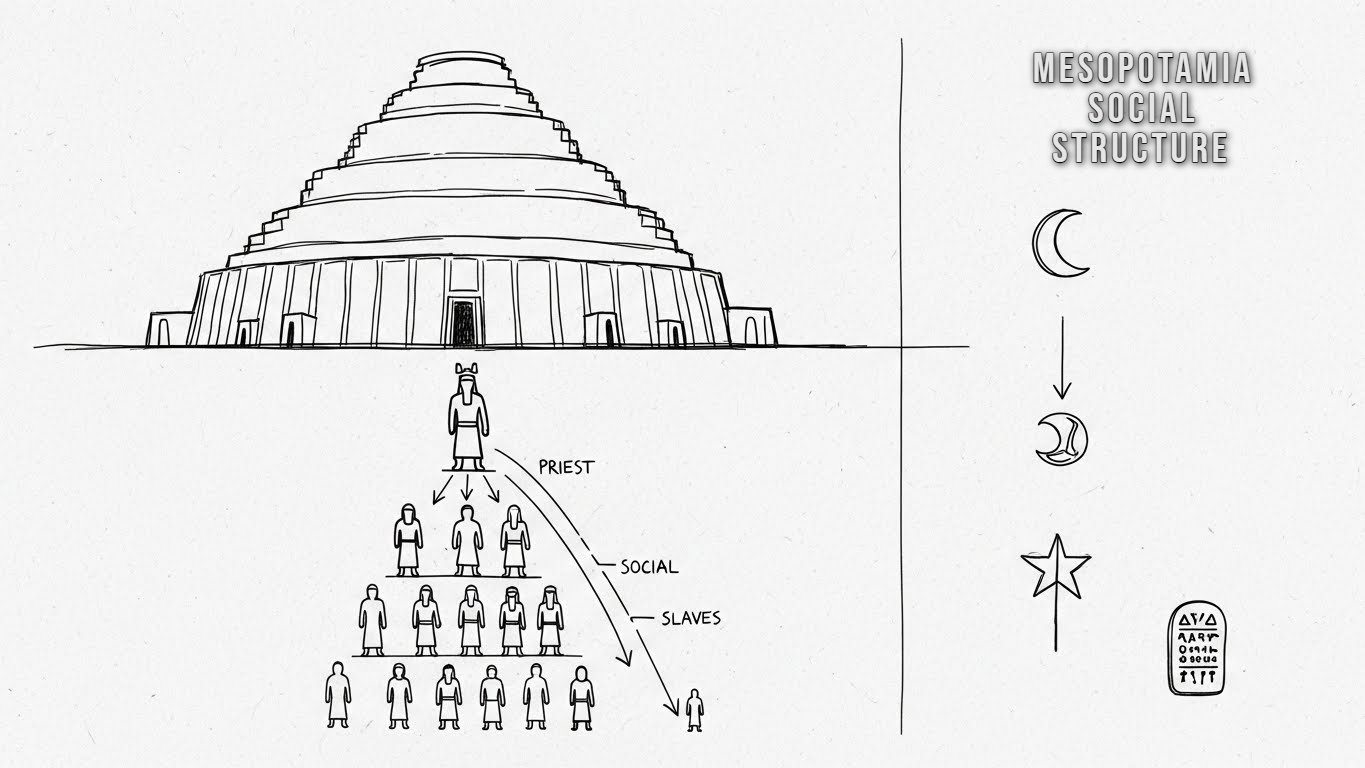
Mesopotamia, often hailed as the cradle of civilization, offers a fascinating glimpse into ancient life. Beyond its remarkable advancements in writing and technology lies a complex social structure intricately woven with religious beliefs. The tenets of faith shaped not only individual lives but also entire communities. From towering ziggurats to everyday homes, religion influenced every aspect of existence. Join us on this journey as we explore how spirituality molded Mesopotamian society—from family dynamics to governance—unveiling the rich tapestry that defined one of history’s most pivotal cultures.
Religion was the backbone of Mesopotamian life. It dictated social norms and established a hierarchy that defined relationships within the community. Priests held significant power, often acting as intermediaries between the gods and the people.
The influence of religion extended to family structures as well. Rituals and festivals played essential roles in maintaining familial bonds, with each member participating in communal worship. This created a strong sense of unity.
Moreover, religious beliefs shaped economic interactions too. Temples served not only as places of worship but also as centers for trade and resource distribution. The intertwining of faith with daily life reinforced social cohesion throughout Mesopotamia.
Population & Social Classes
Mesopotamia was a tapestry of diverse populations, with various ethnic groups coexisting. This rich cultural mix included Sumerians, Akkadians, Babylonians, and Assyrians. Each group contributed unique traditions that shaped society.
Social classes were distinctly defined, creating a hierarchy that influenced daily life. At the top sat the ruling elite and priests who held significant power and wealth. Below them were merchants and artisans, followed by farmers and laborers who formed the backbone of this ancient civilization.
You Might Also Like: Sodziu
Slaves existed at the bottom tier, often prisoners of war or individuals in debt. Their presence highlighted economic disparities within Mesopotamian society.
Homes & Furnishings
Mesopotamian homes reflected the social hierarchy of their inhabitants. Wealthy families resided in spacious, multi-room dwellings made from sun-dried mud bricks. These homes often featured courtyards and gardens, showcasing their status.
Furnishings varied greatly among classes. The affluent enjoyed intricate wooden furniture adorned with carvings, while the lower class had simpler setups with essential items. Textiles were valuable too; fine linens marked prosperity.
The layout centered around communal spaces for family gatherings or rituals. Homes served not just as shelters but also as reflections of religious beliefs, emphasizing the connection between daily life and divinity in Mesopotamia’s complex society.
Family & Leisure
Family life in Mesopotamia revolved around strong ties and communal bonds. Families were typically patriarchal, with the father holding authority. However, women played essential roles too, managing households and raising children.
Leisure activities often included family gatherings and festivals. These events allowed community members to celebrate religious observances together while strengthening social connections. Games like board games or physical contests also provided entertainment for all ages.
Storytelling was a cherished pastime within families. Elders passed down knowledge through tales of gods, heroes, and daily life in Mesopotamia. This tradition fostered a sense of identity and continuity among generations.
Food & Clothing
Food in Mesopotamia was diverse and heavily influenced by religion. Grains like barley formed the staple diet, complemented by vegetables, legumes, and fish from rivers. Sacred rituals often included offerings of food to appease deities.
Clothing varied across social classes. The wealthy wore finely woven wool garments adorned with intricate designs. Commoners typically dressed in simpler fabrics but still took pride in their appearance.
Colors and styles held significance too; specific hues were reserved for the elite or special occasions. Each piece carried meaning, reflecting one’s status while also aligning with cultural beliefs tied deeply to spirituality and daily life.
Religion & Beliefs
Religion was integral to Mesopotamian life. It shaped their understanding of the universe and governed daily activities. The pantheon of gods, including Anu, Enlil, and Inanna, played vital roles in agriculture, fertility, and war.
Priests held significant power within society. They acted as intermediaries between the divine and ordinary people. Temples were not just places of worship; they were also centers of administration and economic activity.
Rituals and festivals celebrated seasonal cycles. These events fostered community bonds while reinforcing social hierarchies. Beliefs influenced everything from art to governance, leaving a lasting imprint on Mesopotamian culture.
Art & Architecture
Mesopotamian art and architecture were deeply intertwined with religion. Temples, towering ziggurats, served as both worship sites and symbols of divine power. Their grand scale reflected the society’s reverence for the gods.
Sculptures often depicted deities, kings, or mythological scenes, showcasing intricate craftsmanship. These artworks conveyed stories about creation and civilization’s relationship with the divine.
You Might Also Like: Tsunaihaiya
Colorful mosaics adorned walls while pottery demonstrated daily life themes. Each piece held significance beyond aesthetics; they illustrated a culture that celebrated its beliefs through creativity and construction.
Governance & Leadership
Mesopotamian governance was deeply intertwined with religion. Leaders, often seen as mediators between gods and people, wielded significant spiritual authority. This connection fortified their political power.
The king or high priest led the city-state, ensuring that religious practices aligned with societal needs. They were responsible for maintaining temples and conducting rituals to appease deities.
Laws emerged from these sacred beliefs. Rulers established justice systems based on divine principles, enforcing order among the diverse social classes. This intertwining of governance and faith shaped a unique framework for Mesopotamian society’s leadership dynamics.
Trade & Economy
Trade in Mesopotamia thrived due to its strategic location between rivers. The Tigris and Euphrates provided fertile land, attracting various communities who exchanged goods. This environment fostered a bustling marketplace where merchants from different regions gathered.
Economically, agriculture was the backbone of Mesopotamian society. Surplus crops enabled trade with neighboring areas for resources like timber and metals. Currency systems evolved as trade expanded, facilitating smoother transactions.
The economy was also deeply intertwined with religion. Temples acted as economic hubs, storing grain and wealth while offering services to the community. This blend of faith and commerce shaped Mesopotamian prosperity significantly.
Warfare & Defense
Warfare in Mesopotamia was deeply intertwined with its social structure and religious beliefs. City-states often engaged in conflicts over resources, territory, or trade routes. Each city had a patron deity who inspired soldiers during battles, reinforcing the idea that warfare was not just political but also sacred.
Defensive strategies included strong walls and fortified structures built to protect against rival states. Military leaders held significant power within society, often leveraging their success on the battlefield to gain wealth and influence.
The impact of warfare shaped alliances among city-states, creating complex relationships based on fear and cooperation. These dynamics influenced trade patterns as well.
Legacy & Influence
The legacy of Mesopotamian social structure is profound. Its intricate ties to religion shaped not only day-to-day life but also the very fabric of civilization itself. The influence can be seen in modern governance, art, and even ethical frameworks.
Aspects like communal worship and ritualistic practices have left a mark on many contemporary religions. Social hierarchies established during this era laid the groundwork for future societies, highlighting the interplay between belief systems and power dynamics.
Mesopotamia’s contributions continue to resonate today, reminding us of how deeply intertwined faith and society can be. This ancient civilization stands as a testament to human ingenuity and spirituality that transcends time.