
 By Callum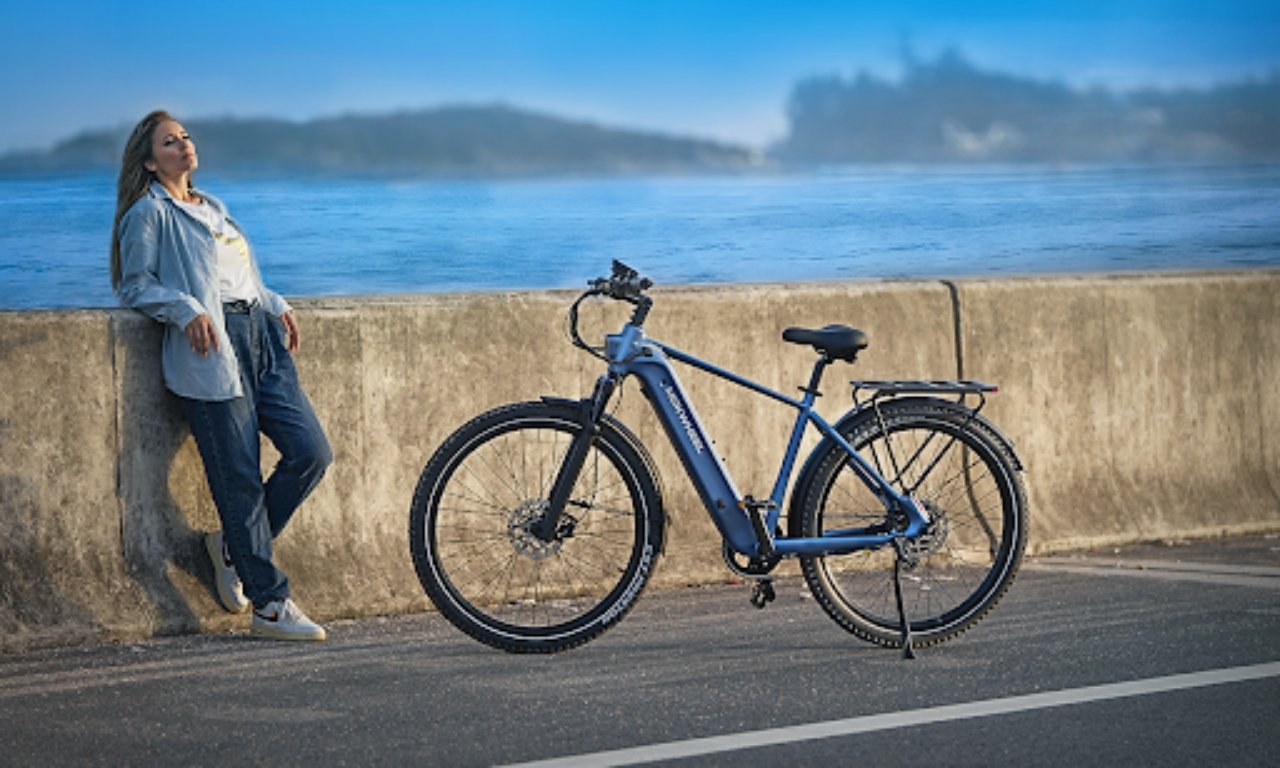
In fast-paced city life, how people commute is becoming increasingly important. Long traffic jams, unreliable public transportation, and rising travel costs are leading many to rethink how they get back and forth each day. Commuting is no longer just about efficiency—it’s also affecting everyday comfort. As uncertainty on the road increases, people naturally want a travel rhythm they can control themselves.
Within this shift, electric bikes are increasingly being seen by urban residents as a practical, realistic option.
Commuter ebikes as a “middle-ground” solution for urban travel
Compared with cars or public transportation, commuter ebikes offer a more self-directed way to get around. They don’t rely on fixed routes or schedules, and electric assist reduces physical strain, making riding accessible to a much wider range of people. For many office workers, commuter ebikes not only make commute times more predictable, but also make the daily journey feel easier—without arriving at work already drained of energy.

Behind the numbers: what problems commuter ebikes actually solve
From a data perspective, the value of commuter ebikes lies not in top speed, but in predictability.
First is commute-time consistency. During peak hours, commute times for cars and public transportation can vary significantly, while cycling routes tend to be more fixed. This makes electric bikes better at maintaining stable commute times over short to medium distances. That reliability is especially important for people who need to plan their work hours precisely.
Second is the long-term structure of commuting costs. Compared with ongoing expenses like fuel, parking, or transit passes, the cost of using an electric bike is more concentrated in the upfront purchase and routine maintenance. For high-frequency commuters, this cost structure is more manageable over time.
In addition, electric assist technology significantly lowers the barrier to riding. In the past, physical effort and road conditions limited cycling as a commuting option. With electric assist, people across a wider range of ages and fitness levels can include biking in their daily commute.
From “whether to buy” to “how to choose”: a shift in user decision-making
It’s worth noting that the way commuters approach electric bikes is also changing. More and more consumers are no longer rushing into a purchase, but instead extending their evaluation period.
Survey data shows that when people consider buying an electric bike, comfort, how well it fits their use scenarios, and budget suitability often rank ahead of raw specifications. This means that “budget” is no longer just a price ceiling, but a broader judgment—whether the bike is worth using long term, whether it suits one’s commuting distance and city road conditions, and whether it can also support everyday travel beyond workdays.
In this context, “finding an electric bike that fits the best budget” is gradually becoming the core goal for commuters, rather than simply chasing the lowest price.
How different commuting needs affect model selection
From a usage perspective, commuters are not a single, uniform group. Short-distance, high-frequency riders tend to focus more on ease and convenience. Mid-distance commuters often need to strike a balance between range and comfort. Riders who combine commuting with everyday cargo needs place greater value on practical features.
Because of this diversity in needs, some electric bike brands (such as Mokwheel) plan their product lines to cover multiple commuting and urban use scenarios, rather than designing around a single purpose. This multi-scenario approach gives users more flexibility when making a choice.
Why rational decision-makers look at the “overall model lineup” first
As purchasing decisions become more rational, more users choose to understand the positioning differences between models before locking in a specific one. By comparing different types of designs from the same overall perspective, users can more clearly judge which category best fits their commuting distance, typical road conditions, and actual riding frequency—helping reduce the risk of choosing the wrong bike.
In this process, electric bike pages that present a complete lineup of models are often treated as reference tools. They help users sort through differences in design approaches and build a clearer evaluation framework before making a final decision, rather than serving as an immediate trigger to purchase.
Commuter electric bikes are becoming a long-term choice
Looking at the broader trend, commuter electric bikes are shifting from a “backup option” to a long-term solution. What they represent is not just another mode of transportation, but a way of getting around that places greater emphasis on control, stability, and alignment with daily life rhythms.
In urban environments where commuting pressure continues to exist, rationally evaluating and choosing the right commuting solution is becoming a shared understanding among more and more city residents.