
 By Callum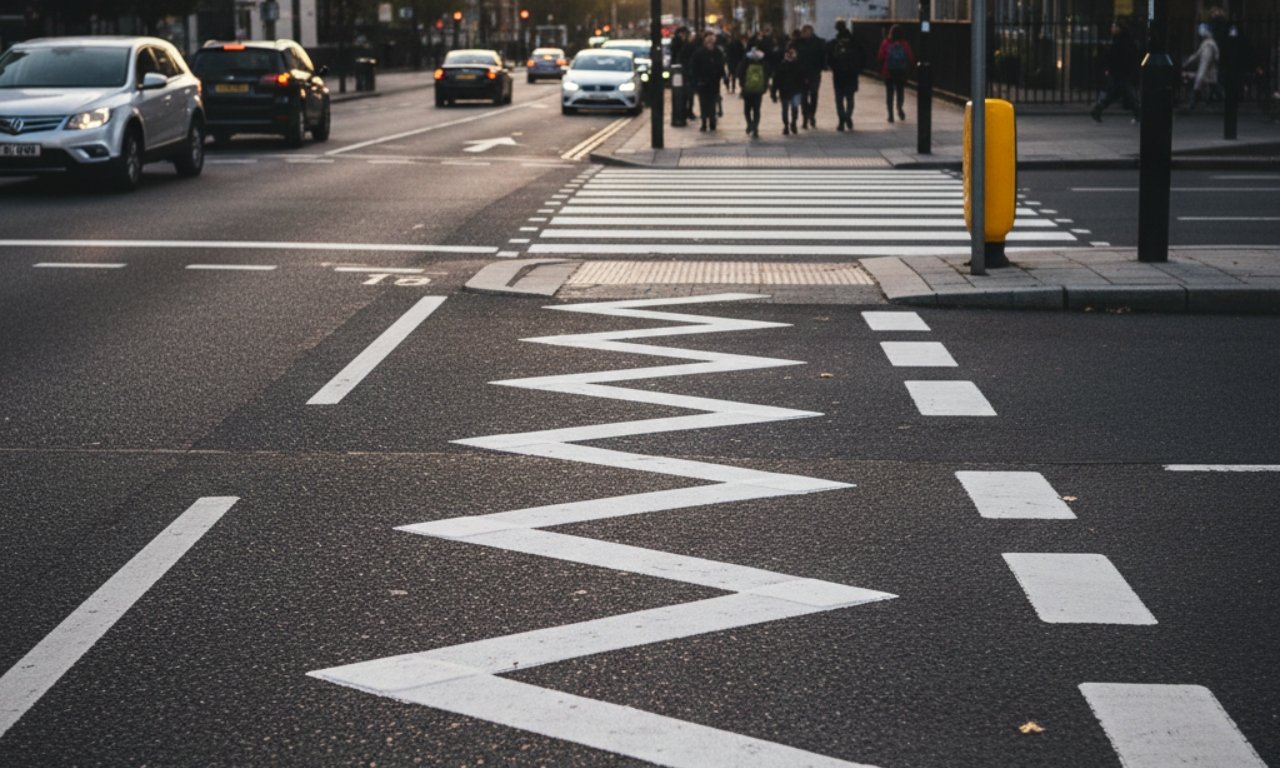
Ever noticed those zigzag lines painted on the road? They’re usually painted near a busy street or a school zone just before a pedestrian crossing. For many learner drivers, and sometimes even experienced ones, these markings spark confusion or curiosity. However, these zigzag lines are not added to make the roads prettier; they have a deliberate purpose. These lines are intentional, high-visibility warning signs placed there to protect one of the most vulnerable road users, pedestrians. Recognising these road markings is essential, not just for pedestrian safety but also for a chaos-free, well-organised, and systematic traffic flow on the roads. That’s why every reputable Sydney Driving School teaches its learners to recognise and understand what these signs mean and how to respond when you notice them.
What are Zigzag Lines? A Warning of What’s Ahead
The main purpose of these zigzag lines on the road is to signal motorists and other road users that a pedestrian crossing is immediately approaching. They are placed to alert drivers early on so that they get the time to adjust their speed, position, and awareness before reaching the crossing. But why zigzags, you’d ask? There’s a psychological perspective to choosing the zigzag pattern. Straight lines are commonly used in many road markings and signs. So, drivers see them constantly and often stop paying conscious attention to them after a while. So, when painted on the road, they tend to fade into the background for most drivers. Zigzag markings disrupt that visual pattern. They catch the eye and force your brain to pay attention, acting as an early warning that conditions ahead may change suddenly.
During a driving lesson, instructors often emphasise that the moment you see zigzag lines, your first response should be to slow down and “cover the brake.” This prepares you to stop smoothly and safely if a pedestrian steps onto the crossing.
The Three Rules of Zigzag Lines
In Sydney, the zigzag markings come with strict rules. If you ignore these rules or overlook the markings, you might face fines and even demerit points. So, what are the rules associated with zigzag lines? Let’s find out:
No Overtaking
The first and foremost rule of zigzag lines is that overtaking is strictly prohibited when they’re present. That’s because overtaking at this time can be dangerous and disruptive. The vehicle in front of you may be slowing down or stopping because a pedestrian, whom you probably cannot see yet, has stepped onto the crossing. If you decide to overtake in this situation, you risk hitting a pedestrian who is completely hidden from your view. It’s one of the most dangerous mistakes drivers can make near crossings.
No Parking or Stopping
Another thing that’s strictly prohibited on zigzag lines is parking or stopping. Zigzag lines are placed to keep the visibility clear and high. If you park a vehicle there, it might create blind spots, making it difficult for drivers to see pedestrians and for pedestrians to judge approaching traffic. Such blocked visibility can easily turn a routine crossing into a serious hazard on the road, especially near schools, shopping strips, and public transport hubs.
Give Way to Pedestrians
If you’re on the zigzag lines and you notice pedestrians who are on the crossing or showing clear intent to cross, you must give way. And if required, you must slow down early or even stop completely. Skilled and experienced drivers know how important it is to act early and give clear signals. So, they don’t wait until the last second to give way. They stop early and visibly, ensuring the pedestrians know it’s safe to cross.
Final Thoughts
While they may look crooked, zigzag lines give a very straightforward message of road safety. Whenever you see a zigzag sign, it means you need to slow down, avoid overtaking or stopping, and always be ready to give way. These markings are used to protect lives and prevent accidents. So, it’s every road user’s responsibility to understand and uphold them.
Staying alert and informed makes the road safer for pedestrians and drivers alike. If you want to sharpen your road-reading skills and build stronger defensive driving habits, consider booking a focused driving lesson with a professional Driving School Sydney, like Onroad Driving School, today. With expert instructors and a wide array of driving classes, these schools can help you become a safe, responsible, and confident driver in no time!