
 By Callum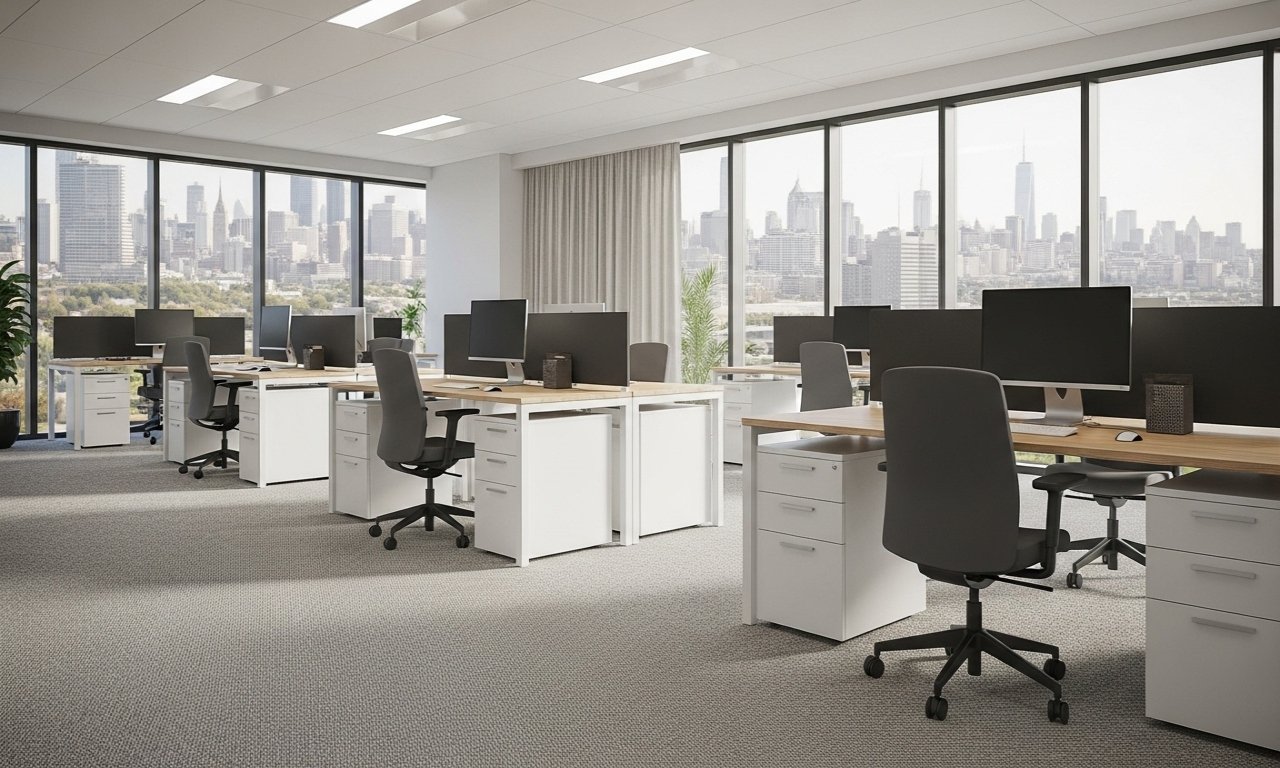
Noise is one of the fastest ways to drain focus in a coworking environment. People arrive with different work styles, call schedules, and activity tolerances, yet they share one acoustic footprint. Soundproofing is not only about blocking noise. It also involves absorbing echoes, reducing sudden peaks, and guiding where louder conversations can happen without spilling into quiet zones. A well-planned coworking space uses materials, layout, and behavior cues together so members can concentrate without feeling policed. This matters even more when teams run video calls throughout the day, because microphones pick up background chatter that may not feel loud in the moment. When sound control is handled early, productivity improves, conflict drops, and members feel comfortable staying longer. The goal is a calm baseline where conversations can still happen, but they occur in the right place and at the right volume.
Practical acoustic moves that work
- Layout zoning that prevents sound travel
The most effective soundproofing in coworking starts with the floor plan, because sound travels along open sightlines and hard corridors. Instead of placing phone-heavy areas next to focus desks, operators can cluster louder functions near entries, kitchens, and collaboration lounges where movement is already expected. Quiet work zones should be deeper in the space, away from doors, printers, and coffee points that create recurring bursts of noise. Meeting rooms and call booths act as buffers when they sit between collaborative zones and quiet seating, so they interrupt sound paths before chatter reaches people doing heads-down work. Even small changes matter, such as angling desk rows so voices do not project straight across the room, or adding bookcases and storage walls to break up long reflective surfaces. In Coworking Spaces in Jersey City, where many members may commute, and stack calls into their on-site days, zoning reduces the risk that a single busy cluster sets the tone for everyone else. Clear signage that labels zones as quiet, conversational, or collaborative also sets expectations without confrontation. When the layout supports different sound levels, members self-sort, and the space stays usable for more people.
- Surface treatments that absorb and soften
Once zoning is established, surface treatments handle the echo that makes rooms feel louder than they are. Hard ceilings, bare drywall, glass walls, and polished floors bounce sound back into the space, turning normal speech into a constant wash. Acoustic ceiling panels or tiles reduce that reflection, especially above open desk areas. Walls, fabric-wrapped panels, felt systems, or slatted wood with acoustic backing can absorb mid- and high frequencies that carry speech. Floors also matter because footsteps and chair movement create repetitive noise that breaks concentration. Carpet tiles, area rugs, and underlayment can reduce impact sounds while remaining easy to maintain. Furniture choices help too. Upholstered seating, soft divider screens, and high-backed chairs absorb sound and create micro pockets where people can work without hearing every nearby conversation. If glass is used for daylight and visibility, adding acoustic film or using thicker laminated glass in meeting rooms can reduce transmission. Small details like door sweeps, sealed frames, and gasketed hardware prevent sound leaks that make quiet rooms feel unreliable. The result is not silence, but a softer acoustic field where voices do not linger.
- Enclosures and behavioral supports that hold the line
Coworking spaces often fail acoustically when they rely only on open areas, because calls and private conversations are unavoidable. Dedicated phone booths, small call rooms, and meeting rooms are essential tools, but they only work when they are comfortable and easy to access. Booths should have ventilation, decent lighting, a small shelf, and strong connectivity so members do not avoid them. Doors should close fully and seal well so speech does not leak out, and interior finishes should absorb sound so the booth does not feel like a loud box. For meeting rooms, acoustic wall assemblies, insulated partitions, and solid-core doors reduce sound transmission. At the same time, sound masking systems can add a controlled background tone that makes speech less intelligible at a distance. Operations should support the design through booking rules, call-etiquette signage, and staff reminders that are friendly rather than strict. Simple norms like taking long calls in booths, keeping speakerphone off in open areas, and using collaboration zones for energetic team sessions protect everyone. Member onboarding can include a quick sound map of the space so newcomers learn where to go for quiet work or conversations. When enclosures and norms work together, members feel supported instead of shushed.
Soundproofing that keeps coworking comfortable.
Sound control in coworking is a system, not a single material choice. Zoning reduces the way noise spreads by separating work modes and interrupting sound paths. Absorptive surfaces soften the echo so a room feels calmer even when it is active. Phone booths and meeting rooms provide reliable places for calls and private conversations, while clear norms help members choose the right areas without conflict. When these strategies are combined, coworking becomes more welcoming for deep work, client calls, and team collaboration on the same day. The payoff is steady focus, fewer complaints, and a space that feels intentionally designed for real work patterns.