
 By Callum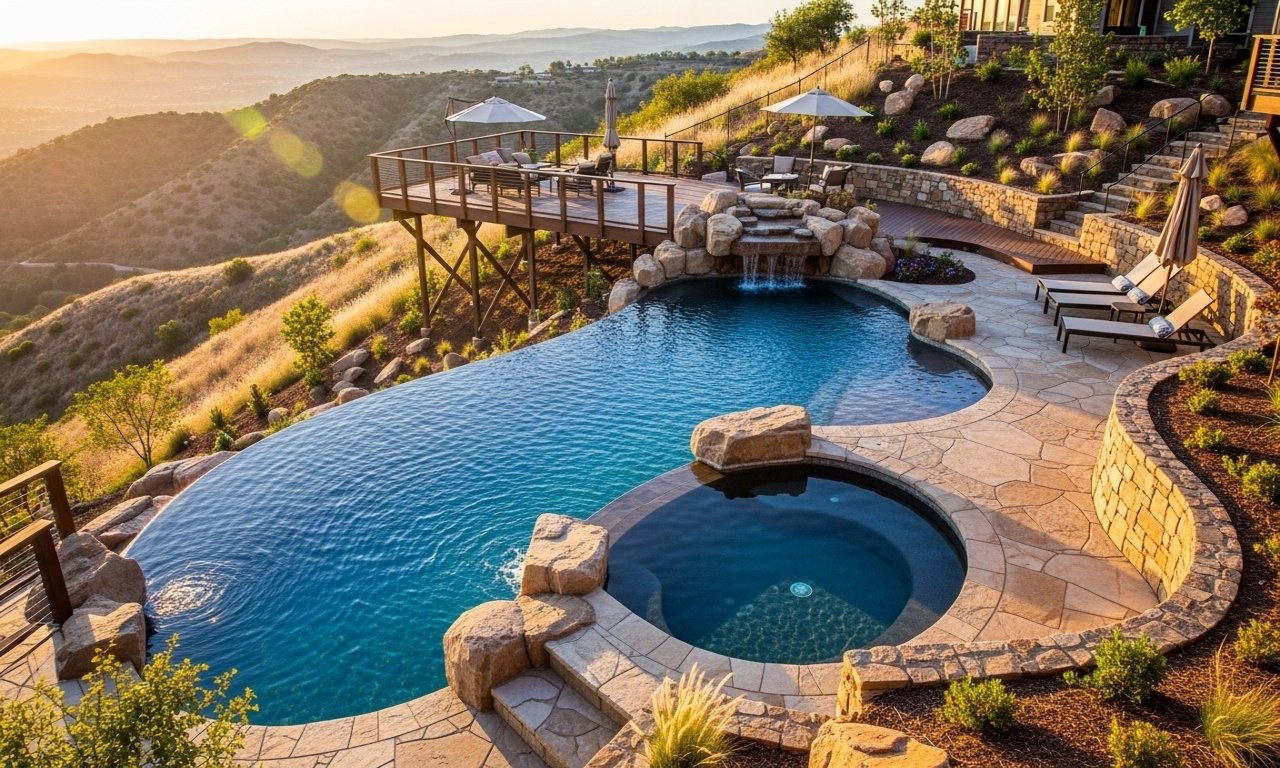
We will explore how a thorough site evaluation forms the foundation for designing a custom pool that is both visually appealing and functionally efficient. Before any design or construction begins, it is critical to understand the backyard’s physical characteristics, topography, and environmental factors. Site evaluation allows pool designers to identify the most suitable location, assess soil stability, drainage patterns, and sunlight exposure, and account for existing structures or vegetation. These factors directly influence the shape, size, and orientation of the pool. Ignoring the site’s nuances can lead to impractical layouts, higher construction costs, and maintenance challenges. By analyzing every aspect of the property, pool designers can create a layout that harmonizes with the natural landscape, optimizes accessibility, and enhances safety. The process ensures that the pool complements the surrounding environment while meeting the homeowner’s aesthetic and recreational goals.
Factors Determining Pool Layout and Shape
- Topography and Land Slope
The natural slope and contour of a property are critical in shaping a pool’s design. A flat backyard may allow for straightforward rectangular or geometric layouts, while a sloped yard may inspire multi-level designs or freeform pools that follow the terrain. Evaluating the topography helps prevent water runoff issues and ensures structural stability. Pools on uneven ground often require retaining walls or grading, which influences both cost and the final shape. Designers at Nassau Pools and Spas also consider sightlines from different angles, ensuring the pool integrates seamlessly with patios, decks, and landscaping. A slope can be transformed into an advantage by creating dramatic visual effects, such as infinity edges or cascading waterfalls, enhancing the backyard’s aesthetic appeal while addressing practical challenges. Understanding the topography from the start allows the pool to feel like a natural extension of the property rather than an artificial addition.
- Soil Composition and Ground Conditions
The type of soil beneath a proposed pool site directly affects construction methods, pool depth, and the flexibility of pool shape. Sandy or well-drained soil may support deeper sections and curved edges, while clay-heavy or rocky soil might limit excavation options. Soil analysis helps designers determine where structural reinforcement or specialized base layers are necessary. This evaluation affects not only the pool’s layout but also the installation’s long-term durability. Inadequate attention to soil composition can lead to settling, cracking, or uneven surfaces over time. Additionally, groundwater levels influence pool placement and water containment strategies, requiring careful planning to prevent leaks or flooding. By understanding the ground conditions, designers can tailor the pool’s footprint, depth variations, and features such as spas, shallow lounging areas, or sun shelves, ensuring safety, stability, and longevity.
- Sunlight Exposure and Shade Patterns
The pool’s orientation relative to the sun significantly affects usability, heating efficiency, and landscaping choices. Pools that receive ample sunlight may benefit from larger lounging areas, whereas shaded locations may require heating or strategic placement to maximize enjoyment. Evaluating seasonal sun patterns guides decisions on pool orientation, depth distribution, and surrounding deck placement. It also affects plant selection and placement for privacy or aesthetic purposes. Pools exposed to excessive sunlight may need cooling features, shaded pergolas, or trees, which influence the overall shape and dimensions. Designers can manipulate curves, angles, or step placements to capture sunlight where desired while avoiding glare or overly shaded zones. By considering sun exposure, a custom pool becomes both comfortable for year-round use and energy-efficient.
- Existing Structures and Property Limitations
Site evaluation considers pre-existing structures, fences, utility lines, and property boundaries to determine how a pool can fit without interfering with essential functions. Driveways, sheds, patios, and landscaping features influence the pool’s shape and placement. Designers may adjust curves, angles, or depth zones to integrate seamlessly with these elements while maximizing open space and accessibility. Property setbacks or zoning regulations can further limit available space, making evaluation critical to the creation of realistic, functional layouts. Incorporating existing features can enhance the overall backyard design, creating a cohesive visual flow between the pool and surrounding areas. Ignoring these factors may result in costly modifications or an awkward, cramped pool configuration that limits usability. By carefully mapping all constraints, a tailored pool layout can harmonize with the property while meeting recreational goals.
- Drainage and Water Management
Effective water management is crucial for maintaining structural integrity and safety around a pool. Site evaluation identifies natural drainage paths, areas prone to flooding, and the need for retaining walls or drainage systems. Poor drainage can compromise pool foundations, erode surrounding landscaping, and create slippery surfaces. Considering these elements early allows the pool to follow natural contours and direct water flow away from sensitive areas. Sloped decks, overflow channels, and catch basins can be incorporated to manage rainwater and prevent pooling. Customizing the pool’s depth, edges, and orientation ensures that water moves efficiently both within the pool and in surrounding areas. Addressing water management during the design stage helps ensure longevity, reduces maintenance requirements, and enhances the pool’s overall functionality.
Site evaluation is a critical step that directly influences the layout, shape, and functionality of a custom pool. By carefully analyzing topography, soil composition, sunlight, existing structures, drainage, aesthetics, and safety, designers can create pools that are harmonious, practical, and long-lasting. A thoughtful evaluation ensures that the pool not only complements the property’s natural features but also meets the homeowner’s lifestyle and recreational goals. Skipping or minimizing site assessment can lead to impractical designs, increased maintenance challenges, and additional costs. Understanding every aspect of the property allows for creative, efficient, and visually pleasing solutions. Through careful planning, custom pools become both a centerpiece of outdoor enjoyment and a sustainable, well-integrated part of the home’s landscape.