
 By Callum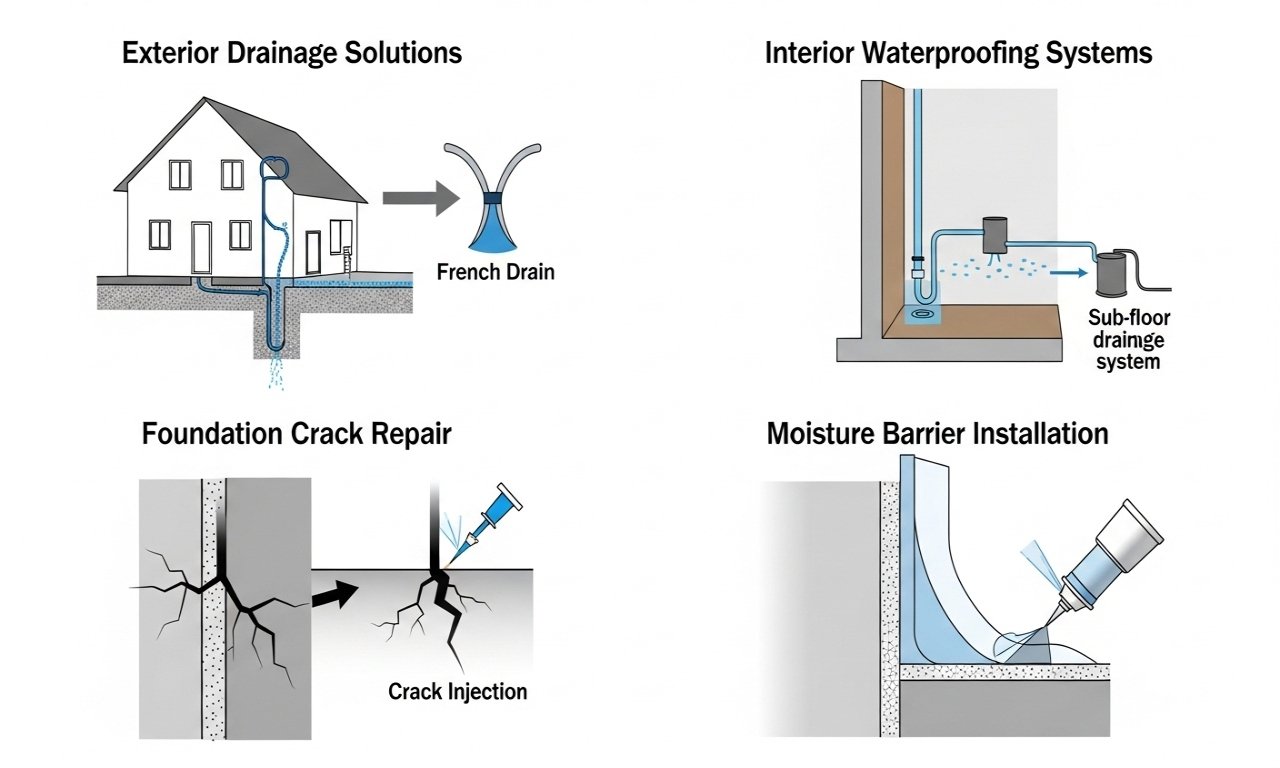
Understanding the Importance of Basement Waterproofing for Long-Term Home Stability
Basements, being the lowest level of a home and often in direct contact with the surrounding soil, are particularly susceptible to water intrusion, which can result in a wide range of structural and environmental problems if left unaddressed, making basement waterproofing an essential process for maintaining the overall stability, safety, and value of a property. Moisture in basements can originate from several sources, including surface water runoff, high groundwater tables, plumbing leaks, poor drainage, and inadequate foundation grading, and these factors collectively contribute to conditions that not only compromise the structural integrity of walls and floors but also promote the growth of mold, mildew, and other allergens that adversely affect indoor air quality.
Water accumulation in a basement can manifest in various ways, including visible damp spots, musty odors, efflorescence on walls, water pooling on the floor, and even cracks in the foundation due to hydrostatic pressure exerted by the surrounding saturated soil, emphasizing the importance of early detection and the implementation of effective waterproofing measures to prevent minor issues from escalating into major structural failures.
Common Causes of Basement Water Intrusion
To develop a comprehensive approach to basement waterproofing, it is critical to understand the multiple causes of water infiltration that homeowners commonly encounter. Surface water from rainfall or melting snow can collect around the foundation if proper grading and drainage systems are not in place, leading to pressure against basement walls that eventually forces water through cracks and porous concrete. Groundwater, which naturally fluctuates with seasonal changes and soil saturation, can seep into basements through hairline fractures or unfinished wall joints, while plumbing leaks, whether from aging pipes, sump pits, or water heaters, contribute additional moisture that accelerates structural deterioration. Poorly functioning gutters and downspouts further exacerbate the problem by allowing water to pool near the foundation instead of directing it safely away from the home.
Signs That Basement Waterproofing Is Necessary
Homeowners often underestimate the signs of water problems until they become severe, but early detection is crucial to prevent long-term damage. Common indicators include damp or wet walls, persistent musty odors that suggest mold growth, peeling paint or wallpaper, efflorescence (white chalky residue) on masonry surfaces, standing water on the basement floor, warped or buckling flooring materials, and the presence of insects or pests attracted to damp environments. Cracks in foundation walls or flooring, whether horizontal, vertical, or stair-step, also serve as important signals that moisture is entering the basement and that professional basement waterproofing interventions may be required to preserve structural integrity.
Exterior Basement Waterproofing Solutions
Exterior waterproofing involves creating a protective barrier around the outside of the foundation to prevent water from entering the basement. This method typically begins with excavation along the foundation perimeter to expose the walls, followed by the application of waterproof coatings, membranes, or sealants that block moisture infiltration. Exterior drainage systems, such as French drains or weeping tiles, are often installed to redirect water away from the foundation and reduce hydrostatic pressure, while proper backfilling with well-draining soil ensures that surface water flows away from the home. Although exterior waterproofing is labor-intensive and can be costly, it provides one of the most effective long-term solutions to basement moisture problems because it addresses the root cause of water intrusion before it enters the structure.
Interior Basement Waterproofing Techniques
Interior waterproofing methods focus on managing water that has already entered the basement and preventing it from causing damage. One common approach is the installation of interior drainage systems, including perimeter drains or trench systems that channel water to a sump pit, where it is then pumped out of the basement through a reliable sump pump system. Waterproof coatings or sealants applied to basement walls and floors create additional barriers to water penetration, while dehumidifiers help control humidity levels to prevent mold and mildew growth. Interior solutions are often more cost-effective and less disruptive than exterior methods, and when combined with proper exterior grading and drainage, they can provide comprehensive protection against basement flooding and water damage.
The Role of Sump Pumps and Dehumidifiers in Basement Waterproofing
Sump pumps are a critical component of many basement waterproofing systems, especially in areas where groundwater accumulation or heavy rainfall is frequent, as they actively remove water from sump pits and discharge it safely away from the home, reducing the risk of flooding and protecting the foundation from excessive hydrostatic pressure. Dehumidifiers complement this system by maintaining optimal humidity levels within the basement, preventing condensation, mold growth, and moisture-related deterioration of structural and interior finishes. Proper installation, regular maintenance, and monitoring of both sump pumps and dehumidifiers are essential to ensure they operate effectively and provide continuous protection over time.
Preventative Measures to Minimize Basement Water Issues
Preventing basement water problems requires a combination of proper maintenance, structural precautions, and environmental management. Ensuring that the property is graded to slope away from the foundation, keeping gutters and downspouts clear and functioning, installing exterior drainage systems, repairing any cracks or leaks promptly, and using waterproofing coatings or membranes as needed all contribute to reducing water intrusion. Additionally, monitoring plumbing systems for leaks and considering the installation of sump pumps or interior drainage solutions can further minimize risks, while homeowners who adopt a proactive approach to moisture management can extend the lifespan of their foundation, preserve indoor air quality, and reduce costly repair expenses in the future.
Long-Term Benefits of Professional Basement Waterproofing
Professional basement waterproofing provides several long-term benefits beyond merely preventing water intrusion, including the protection of structural components such as walls, floors, and support beams, the mitigation of mold and mildew growth that can cause health issues, improved energy efficiency due to a drier and more stable environment, and the enhancement of property value by demonstrating proactive maintenance to potential buyers. Experienced contractors assess the specific conditions of each basement, identify the most effective combination of interior and exterior solutions, and ensure that the installation is performed correctly to prevent recurring water issues, making professional basement waterproofing an investment in both home protection and long-term savings.
Common Mistakes to Avoid in Basement Waterproofing
Many homeowners make the mistake of attempting basement waterproofing without fully understanding the complexity of water infiltration, the structural challenges of foundations, or the specific environmental factors affecting their property. Common errors include relying solely on interior coatings without addressing exterior drainage, neglecting the maintenance of sump pumps or dehumidifiers, failing to seal cracks or wall joints properly, and ignoring signs of soil erosion or settlement around the foundation. These mistakes can result in recurring water problems, increased repair costs, and accelerated structural deterioration, highlighting the importance of consulting professionals to develop and implement a comprehensive waterproofing strategy tailored to the home’s unique conditions.
Conclusion: Comprehensive Wet Basement Solutions as a Critical Investment in Home Preservation
Wet basement solutions represent a vital investment for homeowners seeking to protect their properties from water damage, structural deterioration, and indoor air quality issues, offering a combination of exterior and interior waterproofing methods, sump pump and dehumidification systems, and preventative maintenance strategies that collectively ensure a dry, safe, and stable basement environment, and by engaging professionals to assess, design, and implement these solutions, homeowners not only mitigate immediate moisture problems but also safeguard the long-term value, comfort, and structural integrity of their homes while preventing costly repairs that may arise from untreated water intrusion.