
 By Callum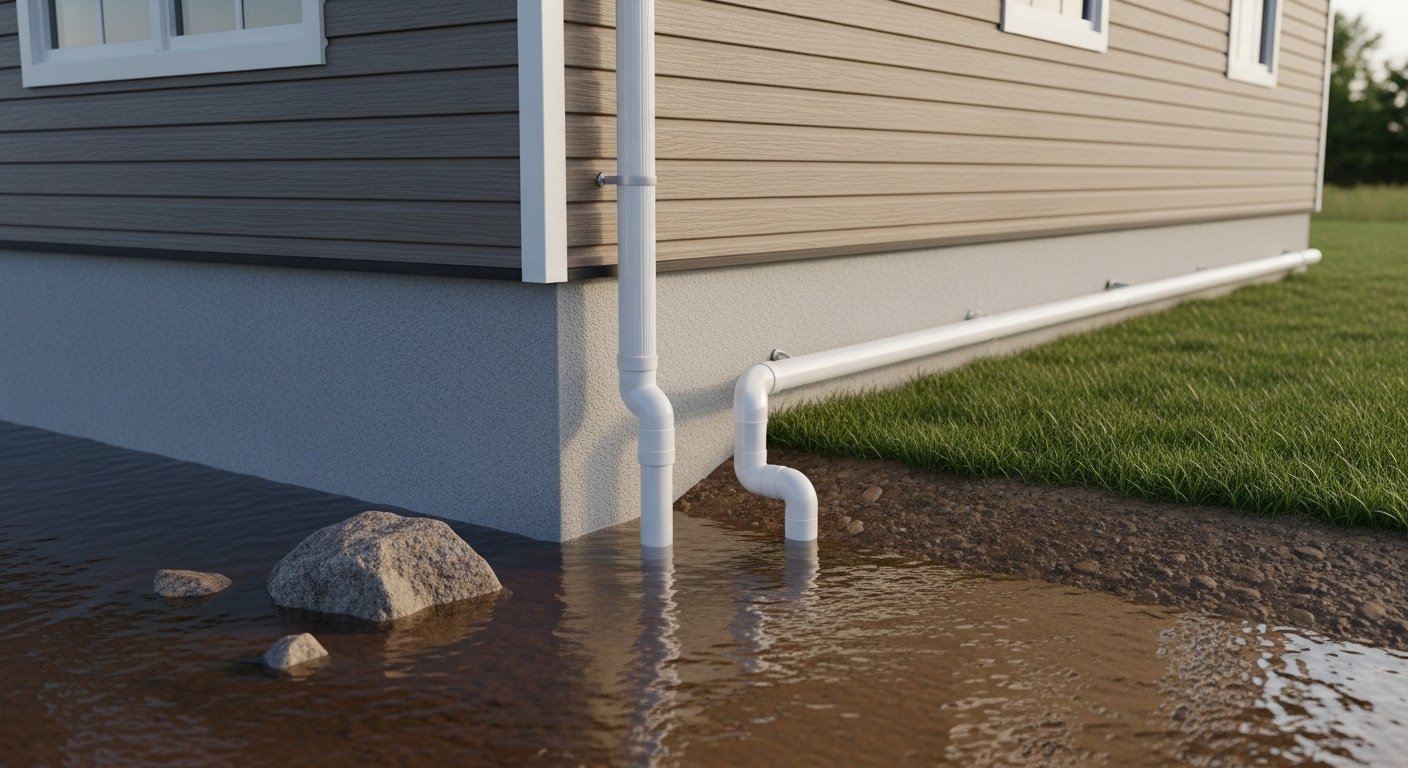
A building’s foundation quietly carries the structural load of the entire property, yet it is constantly exposed to one of the most destructive natural forces: water. Rainfall, melting snow, irrigation runoff, and groundwater movement can gradually undermine soil stability and create pressure against foundation walls. When drainage systems and gutters are overlooked, water accumulates near the base of the structure, increasing the likelihood of cracks, settlement, and interior moisture problems. We will explore how properly designed and maintained drainage and gutter systems function as protective barriers that help preserve soil integrity, control hydrostatic pressure, and reduce long-term structural risk.
How Drainage and Gutter Systems Protect Foundations from Structural Stress
Surface Water Diversion and Soil Stability
The primary function of gutters and downspouts is to capture rainwater from the roof and redirect it away from the building’s perimeter. Without this system, water cascades directly off the roof edge and saturates the soil immediately adjacent to the foundation. Over time, this repeated saturation alters soil density and load-bearing capacity. Expansive soils, particularly those with clay content, absorb water and swell, while dry conditions cause them to shrink.
This cycle of expansion and contraction leads to uneven settlement, which can manifest as stair-step cracks in masonry, sloping floors, or misaligned doors and windows—conditions that often require professional foundation repair services if left unaddressed. By channeling roof runoff several feet away from the structure, gutters reduce soil volatility and help maintain consistent support beneath the footing. Proper grading further enhances this protection by ensuring surface water flows away rather than pooling near the base of the walls.
Reduction of Hydrostatic Pressure Against Foundation Walls
When water accumulates in poorly drained soil, it increases hydrostatic pressure against below-grade foundation walls. Hydrostatic pressure is the lateral force exerted by water-saturated soil, and it can be substantial. Concrete and masonry walls are strong in compression but more vulnerable to lateral stress. Persistent pressure may cause bowing walls, horizontal cracking, or seepage through construction joints. Drainage systems such as perimeter drains, French drains, and properly extended downspouts help relieve this pressure by preventing excess water from building up in the surrounding soil.
By controlling subsurface moisture levels, these systems reduce stress loads that gradually weaken structural components. Over time, consistent water management becomes a preventive strategy that limits the need for intrusive structural repairs and protects interior living spaces from moisture intrusion.
Prevention of Basement and Crawl Space Moisture Intrusion
Improper drainage frequently leads to basement leaks or damp crawl spaces. When gutters overflow due to debris buildup or insufficient capacity, water spills directly alongside the foundation wall. This increases the likelihood of infiltration through hairline cracks, porous concrete, or unsealed penetrations. Even minor seepage can lead to long-term concerns, including mold growth, wood rot, metal support corrosion, and insulation deterioration. Effective gutter systems, combined with splash blocks or underground discharge lines, prevent roof runoff from concentrating in one area. Interior moisture control begins outside the structure; once water penetrates the building envelope, remediation becomes more complex and costly. Maintaining clear gutters and ensuring downspouts extend an adequate distance from the foundation significantly reduces the probability of persistent dampness and its associated structural and indoor air quality implications.
Protection Against Frost Heave and Seasonal Movement
In colder climates, improper drainage can contribute to frost heave, a phenomenon in which water-saturated soil freezes and expands. The expansion exerts upward pressure on foundations, driveways, and adjacent slabs. When temperatures rise and the soil thaws, the ground may settle unevenly, creating differential movement. This repeated seasonal cycle places cumulative stress on structural elements. By directing water away from the foundation before it penetrates deeply into the soil, gutters and drainage channels reduce the moisture available for freezing. Less soil moisture translates to reduced volumetric expansion under winter conditions. Consistent drainage management, therefore, plays a role not only in wet seasons but also in mitigating cold-weather structural movement. The long-term benefit is greater stability in regions with common, unpredictable freeze-thaw cycles.
Mitigation of Erosion Around Footings and Landscaping Interfaces
Uncontrolled roof runoff can erode soil around foundation footings and disturb carefully graded landscaping. As water repeatedly strikes the ground near the roofline, it creates channels that gradually lower the surrounding soil level. This erosion may expose portions of the foundation, compromise support beneath sidewalks, and disrupt drainage slopes originally designed to move water away from the structure. Once erosion alters grading, water begins flowing back toward the building rather than away from it, compounding the problem. Gutters distribute water evenly through downspouts, while drainage extensions carry it to safe discharge areas. Preserving the designed slope around a property is essential for preventing ponding conditions that contribute to long-term structural strain. Controlled water flow also protects hardscape elements such as patios and retaining walls from undermining.
A foundation’s integrity depends heavily on how well water is managed around the structure. While the foundation itself is constructed from durable materials, the soil supporting it is highly responsive to fluctuations in moisture. Gutters and drainage systems form the first line of defense by directing water away from critical load-bearing zones and limiting soil saturation. When these systems are neglected, the resulting moisture imbalance can lead to settlement, cracking, and interior damage that compounds over time. By prioritizing proper water diversion, routine maintenance, and thoughtful grading, property owners create stable conditions that protect both structural components and indoor environments from preventable deterioration.