
 By Callum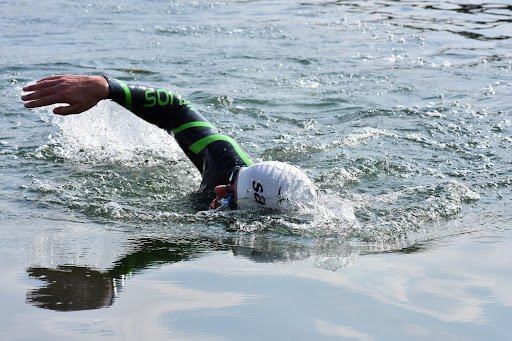
Triathlon coaching excellence is more than designing swim, bike, and run workouts-it is the art and science of developing resilient, well-rounded athletes who can perform at their peak across multiple endurance disciplines.
A successful triathlon coach blends physiology, psychology, and strategy to guide athletes from beginner level to competitive performance while minimizing injury and maximizing long-term growth. Read on.
The Basics of Triathlon Training
A triathlon includes three parts:
- Swimming
- Cycling
- Running
Each sport uses the body in a different way. Swimming needs good technique and upper-body control. Cycling focuses on steady power and endurance.
Running requires strong legs and good form to avoid injury. A coach’s job is to balance all three so the athlete improves without getting too tired or injured.
Personalized Training Plans
Every athlete is different. Some are beginners, while others are experienced racers. A good coach studies each athlete before making a plan.
They look at fitness level, past injuries, daily schedule, and personal goals. This helps the coach build a training plan that fits the athlete’s real life. A good plan is not “one-size-fits-all.” Visit one of the top online programs to earn a triathlon coach certificate.
Building Endurance Step by Step
Endurance is the most important part of triathlon training. It means being able to go longer without getting tired.
Training usually starts with easy, long workouts. This builds a strong fitness base. Later, coaches add harder sessions like:
- Speed intervals
- Race-pace training
- Brick workouts (bike then run)
Brick workouts are important because they teach the body to switch between sports, just like in a real race.
Strength and Injury Prevention
Triathletes also need strength training. This makes muscles stronger and helps prevent injuries. Important areas include:
- Core (stomach and lower back)
- Legs (for running and cycling power)
- Shoulders (for swimming strength)
Coaches also watch training load carefully. Too much training can lead to injury or burnout. Rest and recovery are just as important as workouts.
Good recovery includes:
- Enough sleep
- Healthy food
- Easy recovery workouts
Mental Strength and Race Preparation
Triathlon is not only physical-it is also mental. Athletes must stay focused during long races. Coaches help athletes build mental strength by teaching:
- Goal setting
- Positive thinking
- Visualization (imagining the race)
Race preparation also includes planning:
- How fast to start
- When to eat and drink
- How to move quickly through transitions
Practicing these skills makes race day less stressful.
Using Data and Technology
Many coaches use technology to track progress. Devices like heart rate monitors and GPS watches help measure performance. This data shows speed, heart rate, and training effort.
Coaches use this information to adjust training and improve results. But they also listen to the athlete’s feelings, not just the numbers.
Helping Athletes Grow Over Time
Good coaching is not just about winning one race. It is about long-term improvement. A great coach helps athletes stay healthy, improve slowly and safely, and understand their own training.
The goal is to build strong, confident athletes who can enjoy triathlon for many years. In the end, triathlon coaching excellence is about balance-training the body, building the mind, and supporting the athlete’s overall growth.
If you want to read more articles, visit our blog.