
 By Callum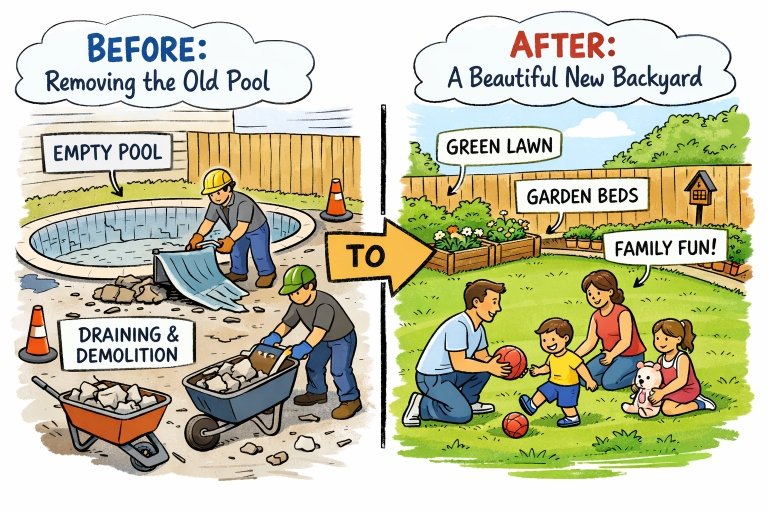
or many homeowners, an unused or aging swimming pool becomes less of an asset and more of a liability. Deciding to remove your pool can be an emotional and financial decision, but it opens up new possibilities for your outdoor space. If you are considering such a transformation, professional guidance is available for pool demolition services in Jacksonville, FL. This comprehensive guide will help you evaluate your options, understand the removal process, and inspire you with creative ways to reuse the area.
Taking out a pool is not just about reclaiming space; it is also about improving safety, lowering maintenance costs, and enhancing your property’s usability. Whether you are motivated by financial, safety, or aesthetic reasons, learning safe pool removal strategies and seeing what can be done with your yard afterwards can empower your decision-making.
Reasons for Pool Removal
Several factors drive homeowners to take out their swimming pools:
- High Maintenance Costs:Even when seldom used, pools require consistent upkeep. Chemical treatments, cleaning, pump maintenance, and occasional repairs all add up.
- Safety Concerns:Pools, especially those that are not regularly monitored, can be hazardous for children and pets. Coverings and barriers only go so far to mitigate risk.
- Desire for More Usable Space:As family needs change, the large footprint of a swimming pool can seem restrictive. Removing it allows for new landscaping, gardens, or recreational features tailored to your lifestyle.
Additionally, older pools may have outdated plumbing and structural concerns, leading some homeowners to prefer removal over costly renovation. In some neighborhoods, the expense and liability associated with pool ownership do not offer a favorable return on investment, making removal a logical choice. Removal can also appeal to homebuyers who are looking for easier yard management.
Safe Pool Removal Methods
Removing a pool demands both technical know-how and adherence to local laws. Here are the recommended steps for a safe and successful project:
- Obtain Necessary Permits:Most municipalities require a permit prior to pool demolition. Reach out to your city or county permitting office to confirm what documentation, inspections, or environmental safeguards are needed.
- Drain the Pool Properly:Never drain pool water directly into storm drains or onto your property. Proper dechlorination and slow draining are essential to protect local waterways. For tips, refer to this EPA guide on water management and pollution prevention.
- Choose a Removal Method: Partial Removal (Abandonment in Place):This method involves breaking up the upper structure, usually the pool deck and walls, and leaving much of the shell in place before backfilling with soil. It is faster and less costly, but may have restrictions on future construction in the area.
- Complete Removal:All concrete, rebar, and pool components are extracted, allowing you to treat the space as virgin ground for any future projects, including home additions. This method is more thorough but more labor-intensive and expensive.
- Backfill and Compact:After demolition, the cavity must be filled using appropriate soil, gravel, or a mixture. Compaction is essential to avoid future settling or drainage issues, ensuring the yard remains level and safe.
- Restore the Landscape:Once the area is stable, garden or lawn installation, hardscaping, or other landscaping can begin. Advance planning ensures the new features seamlessly blend with the rest of your yard.
Creative Reuse Ideas for Your Backyard
The removal of a pool gives way to a host of possibilities for a more usable, beautiful yard:
- Install a Lawn or Garden:Reclaim the space as a lush grass lawn, or build raised garden beds for vegetables and flowers. This transformation not only adds curb appeal but can also provide recreational or edible benefits.
- Create an Outdoor Living Area:Build a new patio, deck, or outdoor kitchen where the pool used to be for gatherings, dining, and relaxing.
- Construct a Play Area:Design a children’s play zone, sports court, or picnic nook tailored for family fun.
- Develop a Water Feature:Instead of a pool, consider adding a small pond, fountain, or rain garden for both aesthetic and ecological benefits.
Environmental Considerations
Beyond the logistics of demolition, responsible disposal of pool debris and water is vital. Concrete and tile pieces can often be recycled. Pool water, if not correctly handled, can introduce chemicals into local water systems, so always follow community guidelines. For more information about eco-friendly disposal and recycling, check resources from organizations like the NRDC.
Conclusion
Removing an aging or unwanted pool can revitalize your backyard, making it more practical, attractive, and safer for your family. By following the steps outlined above, including necessary permits, responsible water disposal, and careful landscape restoration, you set the stage for an outdoor area that matches your current needs. Whether you dream of a lush garden, a modern patio, or a family recreation zone, your transformed space can add both quality of life and value to your home.