
 By Callum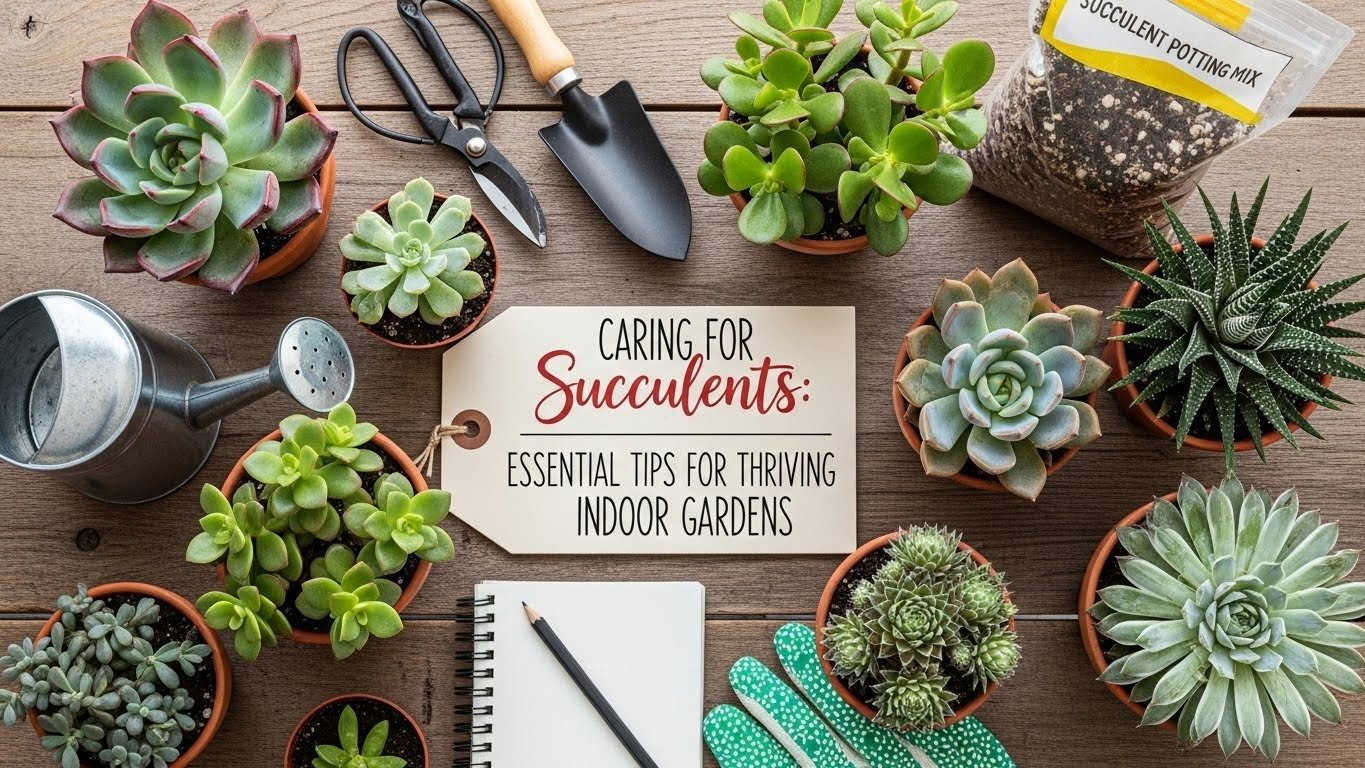
Welcome to the vibrant world of succulents! These charming plants have taken indoor gardening by storm, and it’s easy to see why. With their unique shapes, stunning colors, and minimal care requirements, they make perfect companions for both seasoned plant lovers and novices alike. Whether you’re looking to add a touch of greenery to your home or seeking that perfect low-maintenance friend for your workspace, succulents are a fantastic option.
Caring for these resilient beauties doesn’t have to be daunting. From choosing the right type of succulent for your space to understanding their specific needs, this guide is packed with essential tips designed to help you cultivate a thriving indoor garden. Dive in as we explore everything you need to know about keeping your succulents happy and healthy—because every little green thumb deserves success!
Types of Succulents and Choosing the Right One
Choosing the right succulent for your indoor garden can be an exciting journey. There are countless varieties, each with its unique charm and characteristics. Some popular types include Echeveria, with its rosette shape; Aloe Vera, known for its medicinal properties; and Jade Plant, a symbol of good luck.
When selecting succulents, consider your environment. Low-light areas may benefit from hardy options like Snake Plant or Zebra Haworthia. If you have plenty of sunlight, vibrant choices like Sedum or Kalanchoe will thrive beautifully.
You Might Also Like: Pyntekvister
Size matters too! Larger succulents can become stunning focal points in your space while smaller ones work well as desk companions or in arrangements. Think about how much room you have to ensure their growth isn’t stunted.
Don’t forget personal preference! Choose varieties that resonate with your style—whether it’s sleek modern lines or whimsical textures—and enjoy the process of building your perfect succulent collection.
Understanding Succulent Care Basics
Caring for succulents is easier than you might think. These resilient plants thrive on minimal attention, making them perfect for both novice and seasoned gardeners. Understanding their basic needs will set the foundation for a healthy indoor garden.
First, it’s crucial to know that succulents store water in their leaves, stems, or roots. This unique adaptation allows them to survive in arid conditions. As such, they require less frequent watering compared to traditional houseplants.
Temperature plays an essential role too. Most succulent varieties prefer warm environments but can tolerate cooler temperatures if needed. It’s best to keep them away from drafts or extreme heat sources like radiators.
Be mindful of pests and diseases that can affect your succulents. Regularly inspecting your plants helps catch issues early on. A little vigilance goes a long way in ensuring these hardy beauties flourish indoors.
Watering and Light Needs for Succulents
Watering succulents requires a careful touch. These plants thrive on minimal water, making it essential to avoid overwatering. Water your succulent deeply but infrequently, allowing the soil to dry out completely between watering sessions. This approach mimics their natural habitat and helps prevent root rot.
Light is another crucial factor for healthy succulents. They flourish in bright, indirect sunlight; however, some varieties can tolerate direct sun. Place them near a south or west-facing window for optimal growth. If you notice discoloration or leggy growth, it may be time to adjust their light exposure.
Consider rotating your plants regularly to ensure even light distribution on all sides. Succulents may lean toward the light source if they don’t receive enough illumination from all angles.
In low-light conditions, choose slow-growing varieties that can adapt better than others. Monitor your plants carefully; they will signal when they’re happy with the conditions provided.
Best Soil Choices for Succulents
Choosing the right soil for succulents is crucial for their health and growth. Unlike regular potting soil, succulent-specific mixes ensure proper drainage. This prevents water from sitting at the roots, which can lead to rot.
A well-draining formula typically consists of a blend of ingredients like coarse sand, perlite, or pumice. These components create air pockets that allow excess moisture to escape while retaining just enough for hydration.
You can also make your own mix by combining standard potting soil with perlite or grit in equal parts. Experimenting with ratios helps find what works best for your specific plants.
Additionally, consider using cactus mix if you prefer a pre-made option. It usually contains similar elements tailored for desert-loving flora. Investing time in selecting the right soil will pay off as your succulents thrive in a suitable environment tailored to their needs.
Unique Water-Saving Strategies of Succulents
Succulents have evolved some fascinating adaptations to thrive in arid environments. These plants store water in their leaves, stems, and roots, allowing them to survive long periods without rainfall. This unique ability makes them ideal for indoor gardens.
Another remarkable feature is their specialized stomata. Unlike many plants that open during the day to take in carbon dioxide and lose moisture, succulents typically close these pores during daylight hours. They only open at night when temperatures cool down, minimizing water loss while still enabling photosynthesis.
Moreover, certain succulent varieties possess a waxy coating on their surfaces. This protective layer reduces evaporation by acting as a barrier against dry air and extreme sunlight.
Some succulents can even alter their metabolic processes depending on environmental conditions. By adjusting how they use resources like water and energy, they enhance their survival capabilities in challenging climates.
Benefits of Growing Succulents Indoors
Growing succulents indoors offers a myriad of benefits that can enhance your living space. First, these resilient plants are known for their unique shapes and vibrant colors, adding aesthetic appeal to any room. They serve as natural decor pieces that brighten up dull corners or complement existing furniture.
In addition to being visually pleasing, succulents improve air quality by filtering toxins and releasing oxygen. This makes them ideal companions for bedrooms or home offices where fresh air is essential for productivity and relaxation.
Another advantage is their low maintenance requirements. Succulents thrive on neglect, making them perfect for busy individuals or those new to gardening. A little attention goes a long way; they only need occasional watering and indirect sunlight.
Cultivating succulents can be therapeutic. Tending to these hardy plants provides an opportunity for mindfulness, allowing you to connect with nature even in an urban setting. Their resilience often inspires similar attitudes in our daily lives.
Sustainability and Environmental Impact of Succulent Cultivation
Cultivating succulents presents an opportunity to embrace sustainability. These hardy plants are known for their low water requirements and resilience, making them ideal for environmentally conscious gardening practices. By incorporating succulents into your indoor garden, you’re participating in a movement that promotes conservation.
Succulents thrive on minimal resources while still providing beauty and aesthetic appeal. They help to reduce the overall carbon footprint associated with traditional houseplants, which often require more care and resources. Moreover, growing these plants indoors can enhance air quality by filtering toxins, creating a healthier living environment.
Engaging in succulent cultivation also fosters awareness about biodiversity and the need to protect various plant species. Supporting local nurseries that focus on sustainable farming practices aids in preserving native flora and encourages responsible consumer habits.
By choosing succulents as part of your indoor gardening journey, you’re not just enhancing your home but contributing positively to our planet’s health. This mindful approach allows everyone—from beginners to seasoned gardeners—to play a role in nurturing both their spaces and the Earth itself through sustainable choices.