
 By Callum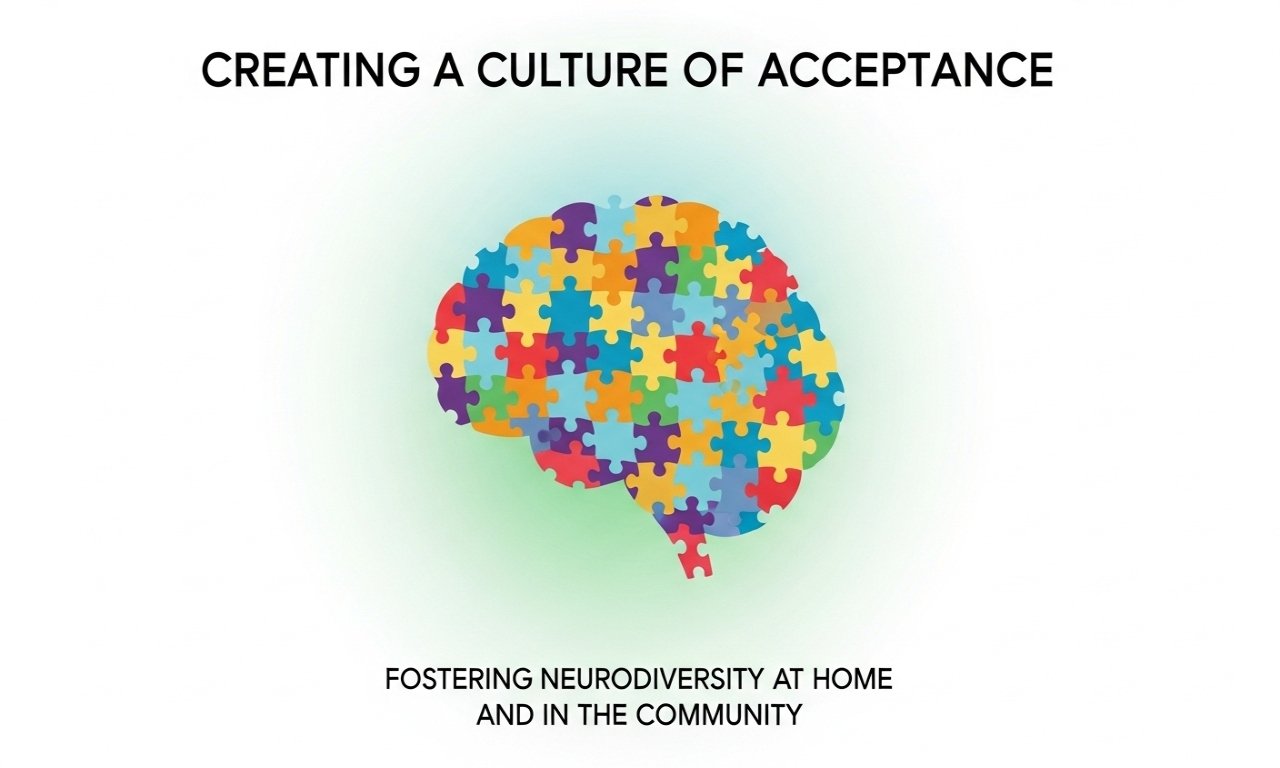
Neurodiversity is more than a concept; it is a movement that recognizes and values the natural variations in how people think, learn, communicate, and experience the world. Creating a culture of acceptance begins with understanding that neurological differences are not deficits to be fixed, but differences to be respected and supported. When families and communities embrace neurodiversity, they help create environments where individuals can thrive as their authentic selves.
Acceptance does not happen overnight. It is built through intentional actions, open conversations, and a willingness to challenge outdated beliefs. From the way families interact at home to how communities design inclusive spaces, every effort contributes to a more compassionate and understanding society. This article explores how to foster neurodiversity acceptance both at home and within the broader community, and why this collective responsibility matters.
Understanding Neurodiversity
Neurodiversity refers to the idea that neurological differences such as autism, ADHD, learning differences, and sensory processing variations are part of normal human diversity. Just as people differ in culture, language, and personality, they also differ in how their brains function.
This perspective shifts the focus away from “normal versus abnormal” and toward recognizing strengths, challenges, and individual needs. Embracing neurodiversity means acknowledging that there is no single right way to think or behave. Instead, it encourages flexibility, empathy, and creativity in how we support one another.
Understanding neurodiversity is the first step toward acceptance. Without awareness, misconceptions can take root, leading to stigma or exclusion. Education plays a crucial role in dismantling these barriers.
The Importance of Acceptance at Home
The home is often the first place where children learn how to view themselves and others. For neurodivergent individuals, family acceptance can shape self-esteem, emotional well-being, and long-term confidence.
When families create an accepting home environment, they send a powerful message: you are valued for who you are. This acceptance helps children feel safe expressing themselves without fear of judgment or pressure to conform.
Acceptance at home also reduces stress. Instead of constantly trying to “correct” differences, families can focus on understanding needs, adapting routines, and celebrating strengths. This shift in mindset transforms daily interactions into opportunities for connection and growth.
Modeling Inclusive Attitudes for Children
Children learn by observing the adults around them. The way parents and caregivers talk about differences, respond to challenges, and treat others influences how children develop their own attitudes.
Modeling inclusive language and behavior teaches children that diversity is something to respect, not fear. This includes using respectful terms, avoiding negative labels, and emphasizing empathy when discussing differences.
When children see acceptance practiced at home, they are more likely to carry those values into schools, friendships, and future relationships. Inclusivity becomes a natural part of how they interact with the world.
Encouraging Open Communication
Open communication is essential in fostering acceptance. Families benefit from honest conversations about neurodiversity that are age-appropriate and ongoing.
Creating space for questions allows children to express curiosity without shame. It also helps neurodivergent individuals articulate their experiences, preferences, and challenges. Listening without judgment strengthens trust and mutual understanding.
These conversations should emphasize that everyone has strengths and areas where they need support. Normalizing this idea helps reduce feelings of isolation and reinforces the value of collaboration.
Supporting Individual Needs Without Comparison
Comparison can be harmful, especially for neurodivergent individuals who may develop at a different pace or in different ways. Acceptance means recognizing that progress is not linear and success looks different for everyone.
Supporting individual needs involves adapting expectations rather than forcing conformity. This might include flexible routines, sensory-friendly spaces, or alternative ways of communicating.
Families who focus on growth rather than comparison create an environment where individuals feel encouraged rather than pressured. This approach nurtures resilience and self-worth.
Building Inclusive Community Spaces
Acceptance extends beyond the home into schools, neighborhoods, and public spaces. Communities play a vital role in shaping experiences and opportunities for neurodivergent individuals.
Inclusive communities are designed with accessibility and flexibility in mind. This may involve sensory-aware events, inclusive playgrounds, or clear communication practices. Small adjustments can make a significant difference in participation and comfort.
When communities prioritize inclusion, they send a message that everyone belongs. This sense of belonging strengthens social connections and reduces isolation.
Education as a Tool for Change
Education is one of the most powerful tools for fostering acceptance. When communities invest in awareness and training, misconceptions are replaced with understanding.
Workshops, school programs, and community discussions can help people learn about neurodiversity from a strengths-based perspective. Education encourages empathy by highlighting lived experiences rather than stereotypes.
Professionals who provide support, including those offering an ABA therapy service often play a role in educating families and communities about inclusive practices and individualized support.
Encouraging Peer Understanding and Friendships
Friendships are a fundamental part of human connection. Encouraging peer understanding helps create inclusive social environments where neurodivergent individuals can build meaningful relationships.
This may involve teaching peers about differences in communication or sensory needs and promoting kindness and patience. When peers understand why someone may behave differently, they are more likely to respond with empathy rather than exclusion.
Inclusive friendships benefit everyone by fostering compassion, cooperation, and emotional intelligence.
Challenging Stigma and Stereotypes
Stigma often arises from misinformation or fear of the unknown. Challenging stereotypes requires intentional effort and advocacy.
Families and community members can challenge stigma by speaking openly about neurodiversity, sharing accurate information, and correcting misconceptions when they arise. Representation also matters highlighting diverse voices and success stories helps reshape narratives.
By confronting stigma directly, communities create safer spaces for individuals to express themselves without fear of judgment.
Collaboration Between Families and Support Systems
Acceptance is strengthened when families collaborate with educators, professionals, and community organizations. This teamwork ensures consistent support across different environments.
Professionals offering an ABA therapy service often work closely with families to align strategies with individual values and goals. When collaboration is rooted in respect and shared understanding, support becomes more effective and meaningful.
Strong partnerships also empower families to advocate for inclusive practices within their communities.
Empowering Neurodivergent Voices
True acceptance means listening to neurodivergent individuals and valuing their perspectives. Empowerment comes from giving individuals a voice in decisions that affect their lives.
Encouraging self-advocacy helps individuals express their needs, preferences, and boundaries. It also reinforces autonomy and self-confidence.
When communities amplify neurodivergent voices, they move closer to genuine inclusion rather than surface-level acceptance.
Creating Sustainable Change
Building a culture of acceptance is not a one-time effort; it requires ongoing commitment. Sustainable change happens when acceptance is embedded into daily practices, policies, and attitudes.
This may include revisiting family routines, updating community guidelines, or continuing education efforts. Progress should be reviewed regularly to ensure that inclusion remains a priority.
Organizations and professionals providing an ABA therapy service can support this process by promoting respectful, individualized approaches that align with neurodiversity-affirming values.
The Ripple Effect of Acceptance
Acceptance has a ripple effect. When individuals feel valued, they are more likely to engage, contribute, and build connections. Families experience reduced stress, and communities become more cohesive.
This ripple effect extends to future generations. Children raised in inclusive environments grow into adults who champion diversity and equity.
By fostering acceptance at home and in the community, society moves toward a future where differences are not merely tolerated but celebrated.
Conclusion
Creating a culture of acceptance begins with understanding and grows through intentional action. By embracing neurodiversity at home, families lay the foundation for confidence, resilience, and self-worth. By extending that acceptance into the community, they help create inclusive spaces where everyone can belong.
Acceptance is not about ignoring challenges it is about meeting them with empathy, flexibility, and respect. When homes and communities work together to value neurodiversity, they create environments where individuals are empowered to thrive as their authentic selves.
A culture of acceptance benefits everyone, reminding us that diversity is not a barrier to connection, but a bridge to deeper understanding and shared humanity.