
 By Callum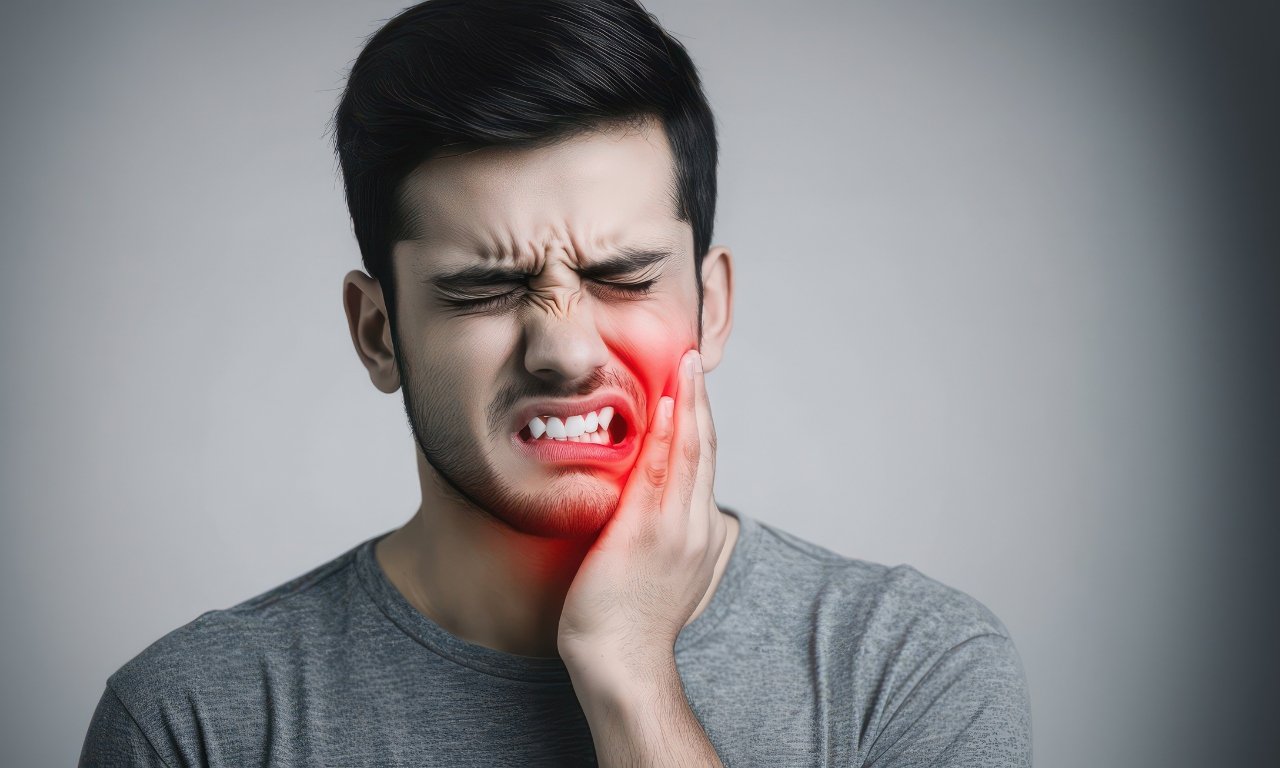
Who plans for a dental emergency? Just like we don’t expect a sudden storm to wreak havoc when out for a weekend market visit, dental emergencies are often unexpected and unannounced. And they rarely happen at a convenient time. Whether it’s sudden severe pain, a chipped tooth, or unexpected swelling, knowing what to do in those first moments is essential. It can help you stay calm and protect your teeth until you see a dentist or visit a family dental clinic. In this article, we’ll discuss what you should know and what you can safely do in case of dental emergencies until you’re able to see a dentist.
What Is Considered a Dental Emergency?
Not every dental concern requires urgent care. So, what counts as a dental emergency? According to ACT Health guidance, dental emergencies generally involve injuries, visible swelling, or symptoms that significantly affect your ability to sleep or open your mouth. These situations can involve:
- Injury to the teeth or face that results in a knocked-out, loose, or broken tooth
- Swelling in the mouth, or swelling visible on the face or neck
- Dental problems causing difficulty sleeping or trouble opening the mouth
So, if you or a loved one is experiencing any of the above symptoms, contact your family dental clinic immediately or call the Central Health Intake line at (02) 5124 9977 for assessment as soon as possible.
If a Tooth Is Knocked Out, Loose, or Broken
A knocked-out, loose, or broken tooth is considered a dental injury that can happen while playing or due to an accident or unexpected fall. How you act in that moment, the care you give, the precautions you take, before you reach a clinic can make a big difference.
For a tooth that has been knocked out, you must handle it very carefully by the crown (the top part) and avoid touching the root. Keep the tooth moist by placing it in milk or in the cheek covered in saliva while you seek urgent dental care. If a tooth is loose or broken, don’t touch or move it unnecessarily. Protect the affected area from any pressure until a dentist assesses it. If you must eat, avoid chewing on the affected side. And if there’s bleeding, use a clean cloth or gauze to apply firm pressure on the area.
Managing Swelling in the Mouth, Face, or Neck
One of the most obvious signs of a dental emergency is visible swelling, which indicates you need urgent medical attention. Swelling can make speaking, eating, or even resting uncomfortable, so it’s important to monitor symptoms carefully. Before you see a dentist, try applying a cold compress to the outside of your cheek or jaw. It will help you feel comfortable. Keeping your head elevated when resting and avoiding direct exposure to heat is also essential. And if the swelling increases rapidly or starts affecting breathing, get medical help immediately.
What NOT to Do Before Seeing a Dentist
So now you know what to do in dental emergencies. But what about things you shouldn’t do? Dental pain, when severe, can tempt you to look for quick home remedies and DIY solutions. However, when you don’t know the root cause of the issue, these remedies can sometimes do more harm than good. Here’s a list of things you should avoid:
- Don’t try to fix a broken tooth or glue it back by yourself.
- Don’t place the medicine directly onto the gums or teeth.
- Don’t apply excessive pressure or touch injured areas frequently.
Instead, visit your local dentist or a family dentistry clinic as soon as possible. Gentle care, proactive measures, and professional assessment can help you avoid any long-term issues.
When to Contact a Dentist Immediately
Some situations require urgent attention, especially if there is significant swelling, ongoing bleeding, or severe pain that doesn’t settle. If you’re unsure whether something is urgent, it’s always better to call your dentist or visit your family dental clinic for guidance.
Final Thoughts
While not as frequent, dental emergencies are just as stressful as other medical emergencies. Dental injuries can cause severe pain, while visible swelling or severe discomfort can affect jaw movement and sleep. Knowing how to respond calmly in urgent situations can help prevent the issue from escalating until you see a dentist or visit a family dental clinic, such as Dentist at Dickson, for timely care. Local dentists or family dental clinics are often familiar with your dental history and can provide more personalised care, so it’s helpful to choose a dentist who also offers emergency treatment. Remember, temporary home remedies are only a short-term measure. In case of dental emergencies, the best way to protect your smile is to have your situation assessed by a qualified dental professional as soon as possible.