
 By Callum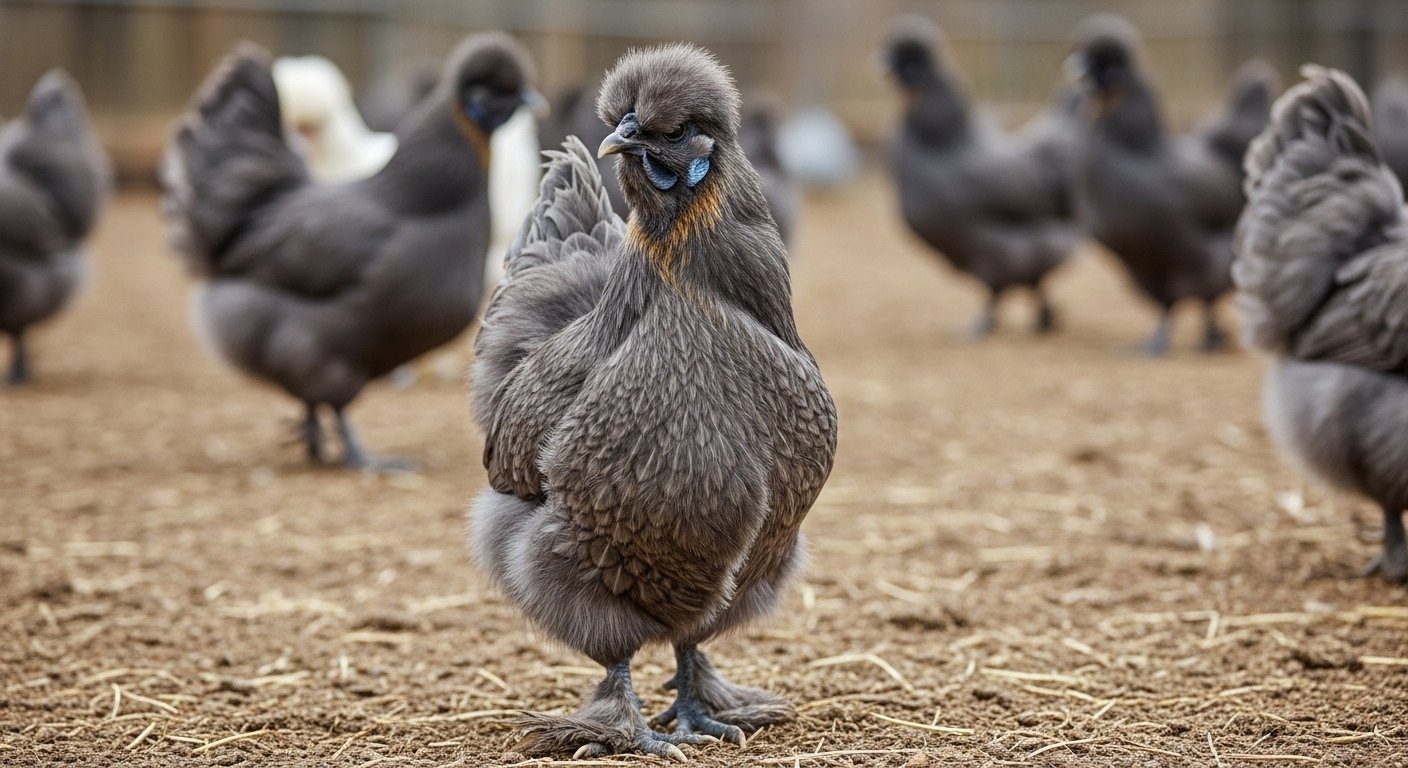
If you have ever looked at a flock of chickens and spotted a bird that looks more like a fluffy lap dog than poultry, you have likely encountered a fur hen. Known formally as the Silkie chicken, this extraordinary bird captivates poultry enthusiasts and backyard hobbyists alike. With feathers that feel like fine silk or soft mammal fur, the fur hen stands out in any setting.
These birds offer much more than just a unique appearance. They bring a rich history, a gentle temperament, and a fascinating genetic makeup to the table. Whether you are an experienced poultry keeper looking to diversify your flock or a beginner searching for the perfect family-friendly bird, understanding the traits and needs of the fur hen will help you provide the best care possible.
The Fascinating Origins of the Fur Hen
The exact timeline of when the fur hen first appeared remains slightly mysterious, but historical records point to ancient Asia. Most experts agree that these unusual birds originated in China, though some argue they may have roots in India or Java.
When Marco Polo traveled through Asia in the 13th century, he wrote about a remarkable “furry chicken” he encountered during his journeys. This early written account perfectly describes the fur hen, noting its strange, hair-like plumage and black skin. By the time these birds made their way to Europe through the maritime trade routes and the Silk Road, they were often sold to an astounded public as a bizarre crossbreed between a chicken and a rabbit. While we now know this is a biological impossibility, the myth highlights just how shocking the fur hen appeared to people seeing it for the first time.
Today, these birds are recognized by poultry associations worldwide. They have transitioned from being sideshow curiosities to beloved backyard companions and highly prized exhibition birds.
You Might Also Like: Cadibara Habitat
The Science Behind the Fluff
What makes the feathers of a fur hen look and feel so different from those of a standard chicken? The answer lies in a fascinating genetic mutation.
Standard bird feathers have a stiff central shaft called a rachis. Extending from this shaft are barbs, and holding those barbs together in a neat, flat plane are tiny hook-like structures called barbicels. When a bird preens its feathers, it is essentially zipping these barbicels back together to keep its coat sleek and weather-resistant.
The fur hen lacks these barbicels. Without the tiny hooks to hold the barbs together, the individual strands of the feather float free. This gives the bird its characteristic fluffy, disorganized appearance. Because their feathers cannot zip together, they feel incredibly soft to the touch, closely resembling the fur of an Angora rabbit or a fluffy cat.
However, this genetic quirk comes with a significant trade-off. Because their feathers do not lock together, a fur hen cannot fly. Their fluffy coats also lack the natural waterproofing found in other breeds. Water easily penetrates their plumage, soaking them to the skin. This makes them highly vulnerable to cold, wet weather.
Striking Physical Characteristics
Beyond their famous fluffy coats, the fur hen possesses a variety of unique physical traits that make them unlike any other breed in the poultry world.
Melanistic Skin and Bones
One of the most surprising features of this bird lies beneath its feathers. They possess a rare genetic trait called fibromelanosis. This means that they have hyperpigmentation, resulting in dark blue or black skin, meat, and bones. Even their internal organs reflect this dark pigmentation. In many parts of Asia, this dark meat is considered a highly prized delicacy, valued for both its unique flavor and its purported medicinal properties.
Five Toes
Most chickens have four toes on each foot. The fur hen, however, is one of the few breeds that boasts a fifth toe. This extra digit grows above the hind toe and curves upward. While it does not serve any real functional purpose, it is a required characteristic for birds entered into poultry exhibitions.
Brilliant Blue Earlobes
Tucked away beneath the fluffy feathers on the side of their heads, these birds sport striking, turquoise-blue earlobes. The vibrant blue creates a beautiful contrast against their dark skin and whatever color plumage they might have.
Crests, Muffs, and Beards
Many of these birds feature a prominent crest of feathers on top of their heads, sometimes resembling a large powder puff. Some varieties also have “muffs” and “beards”—extra tufts of fluffy feathers that cover their cheeks and throat, giving them an incredibly endearing, chubby-cheeked appearance.
Temperament: The Perfect Pet
If you are looking for a bird that doubles as a friendly pet, you cannot go wrong with a fur hen. Poultry keepers universally praise them for their exceptionally docile and calm nature.
Unlike more high-strung Mediterranean breeds, these fluffy birds are content to move slowly around the yard. They tolerate handling extremely well, making them ideal pets for families with small children. Many will happily sit on your lap for treats and petting. Their calm disposition means they rarely show aggression toward humans.
This gentle nature also extends to their interactions with other chickens. However, their sweetness can sometimes be a disadvantage. In a mixed flock, a fur hen can easily be bullied by more assertive, dominant breeds. Their lack of flight and sometimes impaired vision (due to the large crest of feathers covering their eyes) makes it hard for them to escape aggressive flock mates. If you plan to keep them with other breeds, you must carefully monitor the flock dynamics to ensure your fluffy companions are not getting picked on.
The Ultimate Broody Mothers
When it comes to hatching eggs and raising chicks, the fur hen is the undisputed champion of the poultry yard. They possess an incredibly strong maternal instinct. This trait, known as “broodiness,” means they have a deep, biological drive to sit on a clutch of eggs until they hatch.
Their brooding instinct is so powerful that they will often sit on an empty nest, rocks, or golf balls if no eggs are available. Many farmers and breeders keep a few of these birds specifically for their mothering abilities. They will readily accept and hatch eggs from other chicken breeds, ducks, turkeys, and even pheasants. Once the chicks hatch, they are fiercely protective and attentive mothers, teaching the babies how to forage and keeping them warm beneath their expansive fluff.
Caring for Your Flock
While they do not require a completely different setup from standard chickens, keeping a fur hen healthy requires a few specific accommodations due to their unique physical traits.
Housing and Roosting Needs
Because they cannot fly, their coop needs to be arranged differently than a standard chicken coop. You must place their roosting bars very close to the ground, usually no more than a foot or two high. If the roosts are too high, the birds will simply huddle on the coop floor at night, which can expose them to drafts and parasites.
Additionally, access to nesting boxes should be kept low or feature a gentle ramp. Ramps should have textured surfaces or small cleats to provide grip for their feathered feet.
Weather Protection
As mentioned earlier, their fluffy plumage does not repel water. A wet fur hen is a cold fur hen, and they can easily succumb to hypothermia if left out in the rain. You must provide them with a completely covered, dry run. If you let them free-range, ensure they have easy access to shelter at the first sign of a downpour. In regions with heavy snow, they will need extra protection, as snow easily clumps into their leg and foot feathers, causing frostbite.
Grooming and Hygiene
Those beautiful feathers require a bit of maintenance. The crest on top of their head can grow so large that it completely obscures their vision. A bird that cannot see well is easily startled and vulnerable to predators. You may need to carefully trim the feathers around their eyes or gently tie the crest back using a small, soft hair tie.
Furthermore, their feathered legs and feet tend to collect mud and debris. During wet seasons, you should check their feet regularly and wash away hardened mud to prevent scale issues or infections.
Diet and Nutrition
Feeding a fur hen is generally straightforward, as they require the same basic nutrition as any other chicken. A high-quality commercial layer pellet or crumble provides the foundation of a healthy diet.
Because they are smaller birds, they often prefer crumbles over large pellets. You should also provide a separate dish of oyster shell to ensure the hens have enough calcium for strong eggshells, along with insoluble grit to help them digest their food properly.
Treats should be given in moderation. They enjoy leafy greens, mealworms, and vegetable scraps. However, because their feathers do not provide the best insulation, adding a little extra cracked corn or scratch grains to their evening meal during winter can help them generate extra body heat overnight.
Health Considerations
While generally hardy, the unique physiology of the fur hen makes them susceptible to a few specific health issues.
External parasites, such as poultry lice and mites, absolutely love their dense, downy feathers. The thick fluff provides a perfect, warm hiding place for these pests. You must inspect your birds frequently, parting the feathers down to their dark skin to check for signs of infestation. Providing a dry, loose dust bath filled with fine dirt, sand, and a little wood ash is crucial for helping them keep parasites at bay naturally.
They are also known to be somewhat more susceptible to Marek’s disease, a common viral infection in poultry. Purchasing vaccinated chicks from reputable breeders is the best way to protect your flock from this illness.
Egg Production
If your primary goal is high-volume egg production, this might not be the right breed for you. A fur hen is a modest layer, typically producing about 100 to 120 eggs per year. Their eggs are small to medium in size and have a delicate cream or tinted shell.
Their low egg count is largely tied to their broody nature. A hen stops laying eggs while she is broody and raising chicks. Because these birds go broody so frequently, they spend a significant portion of the year out of production. However, for most keepers, the joy of having such a sweet, entertaining companion far outweighs the lower egg yield.
Integrating Them into Your Yard
Bringing these fluffy companions into your life requires a little preparation but yields wonderful rewards. When introducing them to an existing flock, do so slowly. Keep the new birds in a separate pen where the established flock can see them but not touch them. After a week or two, you can allow them to mingle during supervised free-range time before finally moving them into the main coop.
Always ensure you have multiple feed and water stations. This prevents dominant birds from guarding the resources and ensures your gentle, fluffy birds get plenty to eat and drink.
A Wonderful Addition
Raising a fur hen is a deeply rewarding experience. They bring a touch of whimsy and magic to the backyard that no standard chicken can match. Their prehistoric, dinosaur-like dark skin combined with their ultra-soft, teddy-bear exterior creates a fascinating contradiction.
By understanding their need for dry housing, lower roosts, and perhaps a little extra protection from assertive flock mates, you can easily provide a wonderful home for these unique birds. In return, you will be rewarded with a docile, affectionate companion that brings endless entertainment and joy to your daily routine.