
 By Callum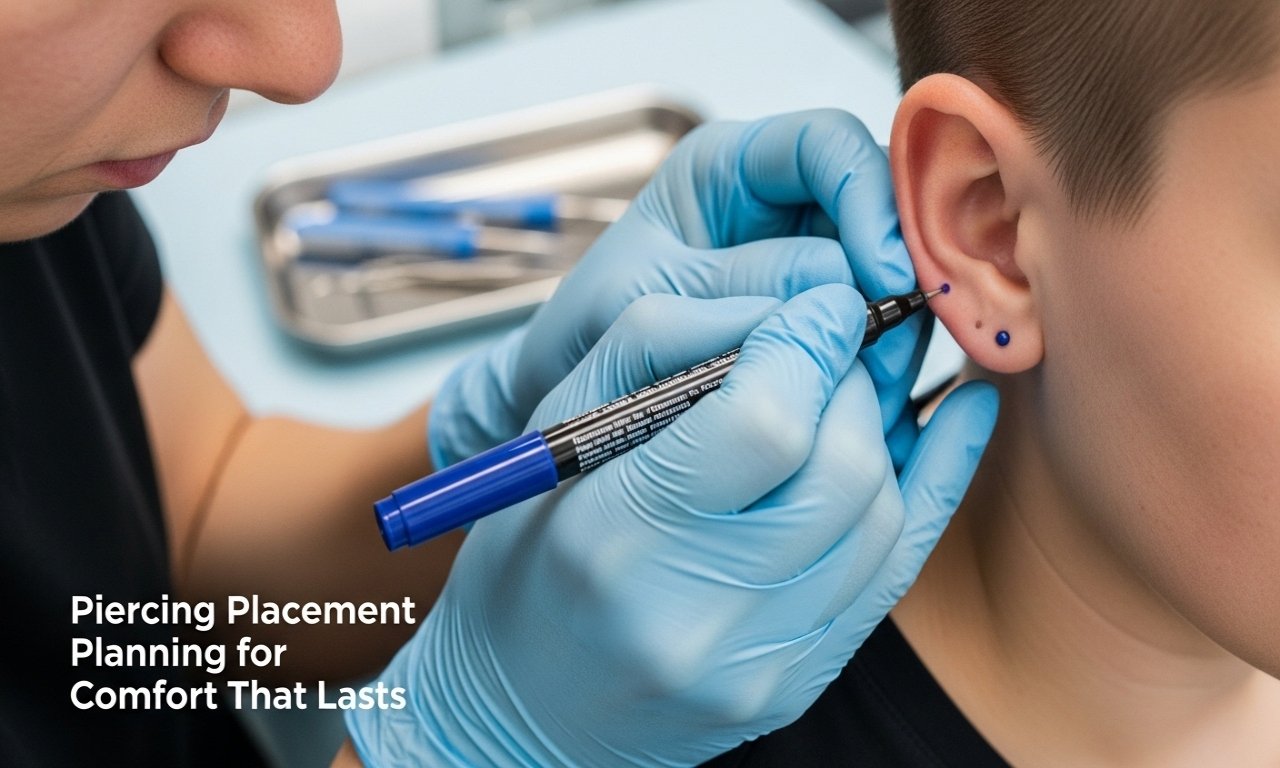
Piercing placement is not only about the look in the mirror on day one. It is also about how that spot will feel during sleep, exercise, work, and everyday habits months later. Long-term comfort depends on how jewelry sits against skin, how the area moves, and how often it gets bumped, compressed, or exposed to friction. A placement that seems minor on a flat photo can become annoying when it rubs on headphones, catches on clothing, or presses into a pillow. Planning reduces swelling, surprises, migration risk, and scarring that can occur when a piercing is forced to fight the bbody’snatural movement. It also helps you choose jewelry that fits the anatomy rather than fighting it. Good planning includes considering your routine, job requirements, hygiene needs, and the season, because sweat, sports, and sun can affect how the area behaves. The goal is to pick a location that heals with fewer setbacks and stays comfortable for years.
Placement choices that avoid daily irritation
- Map your lifestyle before choosing a spot.
A smart placement starts with a quick inventory of your daily friction points. If you wear earbuds or over-ear headphones for hours, ear placements that sit under pressure can feel tender for a long time after healing, especially if the jewelry sticks out. If you sleep on one side, cartilage or side nose placements can be uncomfortable because pillows push jewelry sideways. If you play contact sports or train regularly, areas that get hit, grabbed, or rubbed by straps can swell and stay cranky. Even simple things like long hair, tight collars, scarves, or helmets can cause repeated micro-bumps that slow healing. Think about your work environment, too. Jobs that require masks, hair nets, or protective eyewear can put constant pressure on certain facial piercings. For people who clean often or use skincare acids, placements that come into contact with harsh products require extra caution. The goal is not to avoid piercings you love, but to anticipate the real-world forces on that area. When you plan around your routine, you choose a placement that fits your life instead of forcing you to protect it every minute.
- Understand anatomy, movement, and safe angles.
Comfort depends heavily on how the tissue moves and on how the piercing channel sits within that tissue. Areas with thick stable tissue often handle movement better, while thin or constantly flexing regions may be more sensitive or prone to irritation. Placement planning includes checking where a fold bends, where a muscle contracts, and where swelling can expand. For example, navel piercings depend on a true navel structure and how the top shelf sits when you stand, sit, and bend. Eyebrow and surface style placements require careful depth and direction, as shallow channels can lead to migration and discomfort. Oral piercings require extra planning because teeth, gums, and bite patterns influence long-term comfort. If someone is searching for a Tongue Piercing near me, it helps to remember that placement is not a one-size-fits-all choice, because the frenulum position, tongue thickness, and vein patterns vary from person to person. A good piercer marks the spot while you move naturally, not only while you sit still. They also check symmetry in a relaxed posture, because tension can shift the jewelry’s placement. Comfort comes from a channel that sits in stable tissue at a safe angle, not from forcing a mark to match a picture.
- Jewelry choices change how placement feels.
Placement and jewelry work together. Even a good location can feel annoying if the jewelry size, shape, or backing is wrong for your anatomy. Flat back labrets reduce poking in many ear and facial piercings, while bulky backings can create pressure points. For nostril piercings, the angle and inner fit matter so the post does not rub inside the nose. For cartilage, posts need room for swelling, but they can be too long and snag, causing irritated bumps. Hoop styles can look simple, but they may move more and create friction during early healing, so a stable post is often chosen first. Material also affects comfort, because low-quality metal can trigger itchiness, redness, or prolonged irritation that feels like constant soreness. High-polish surfaces and smooth edges reduce friction in areas that come into contact with clothing or hair. Comfort planning includes thinking about your long-term style, too. If you want to wear hoops later, the initial placement should leave room for the hoop diameter you prefer without pressing into the skin. When jewelry and placement match, the piercing feels like it belongs there rather than something you constantly notice.
Comfort-focused planning that lasts.
Piercing placement planning is really comfort planning. It begins with knowing your daily habits and where friction or pressure will happen. It continues with anatomy checks that account for movement, tissue thickness, and safe angles, so the channel sits where the body can support it. Jewelry choice matters just as much, because the right post, backing, and material reduce poking and irritation as you heal. Finally, consistent healing habits protect the placement you chose, preventing bumps and soreness that can linger for months. When these pieces come together, your piercing becomes part of your routine rather than something you work around. The result is a look you enjoy and a piercing that stays comfortable through sleep, work, exercise, and everyday life.