
 By Callum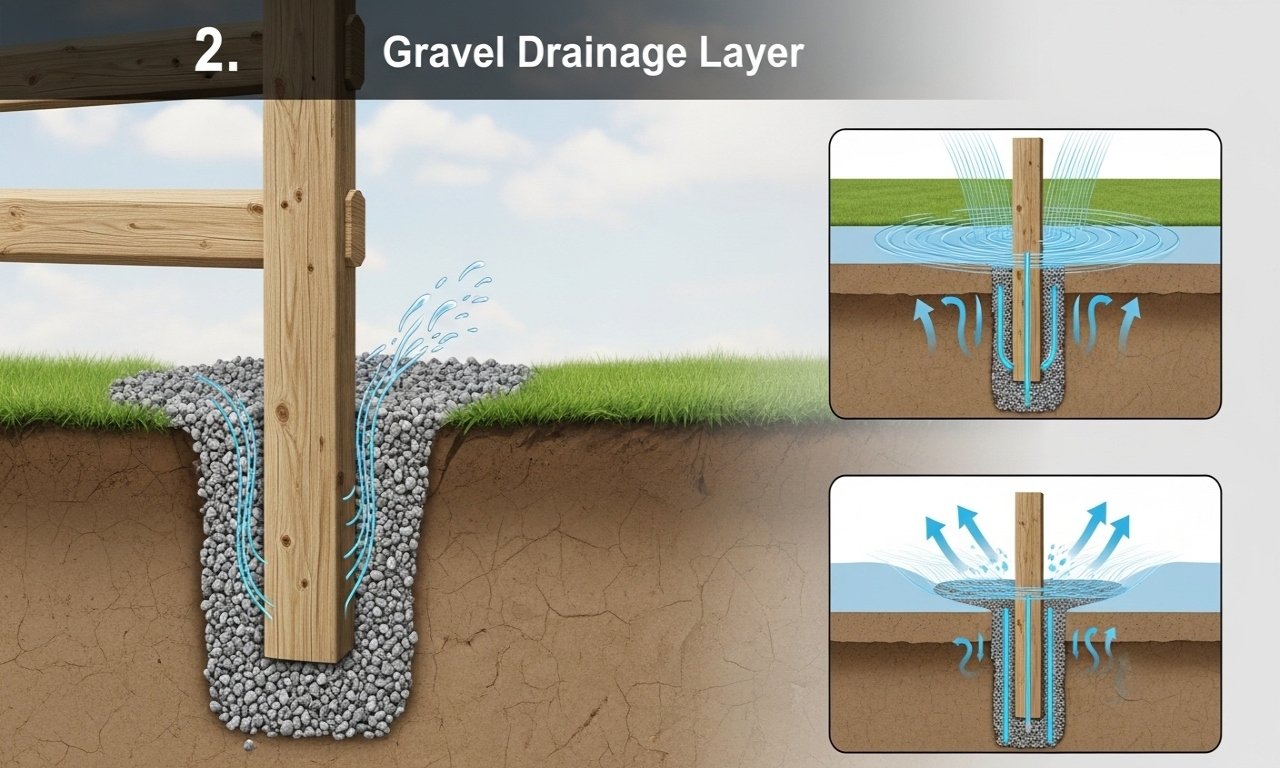
Wood fences look straightforward, but the ground they sit in rarely stays still. Soil expands when it absorbs moisture, shrinks when it dries, and shifts under freeze-thaw cycles, drainage problems, or nearby construction. These changes push and pull on posts, which are the structural backbone of a fence line. When posts tilt or loosen, panels start to rack, gates drag, and fasteners loosen as the fence fights to stay aligned. Soil movement can be gradual, occurring over months as a slow lean, or sudden after a heavy storm that saturates the ground and reduces the bearing capacity around post holes. Contractors who understand soil behavior plan the installation so the fence can resist movement rather than simply hoping concrete will hold everything in place. Long-term stability comes from matching post depth, footing design, drainage control, and wood protection to the conditions on that property. When those choices are made up front, the fence stays plumb longer, and maintenance costs are smaller and more predictable.
Practical steps that keep posts stable
- Reading the site before digging
A stable fence begins with a site walk that identifies the soil type and how water moves across the yard. Clay soils expand and shrink more than sandy soils, and they can grip posts tightly during swelling phases and then release them during drying, causing loosening over time. Areas near downspouts, low spots, or poorly graded beds hold moisture longer, which weakens the soil around the post and increases the chance of leaning. Contractors also look for roots, old buried debris, or previous fence footings, because these obstacles can affect how holes are dug and posts are placed. Slope matters too. A fence running across a slope can experience downhill soil creep that slowly pushes posts out of alignment. On properties where driveways or patios are nearby, compacted fill and disturbed soil often settle after rain events, causing movement that can make the fence appear to be installed incorrectly when the ground was actually shifting. A careful layout includes checking gate locations early, because gates concentrate loads and show problems first. Once the site is understood, the contractor can choose a footing and spacing plan that fits the soil rather than fight it.
- Footings, depth, and post design choices
Post stability is mostly about what happens below grade. Many failures come from shallow holes that allow posts to rotate as the top catches wind load. A deeper hole increases resistance to tipping and helps the post stay anchored through seasonal changes. The footing width also matters because it spreads the load across more soil, which is helpful in softer or wetter areas. In some cases, contractors use a gravel base under the post and concrete above, which improves drainage and reduces standing water at the bottom of the hole. In other cases, a fully concrete encasement can work if it is properly shaped and finished so that water sheds away from the post instead of pooling at the surface. In high-wind zones or with tall privacy fences, a thicker post, such as a true six-by-six, can reduce flex and keep fasteners from loosening during gusts. When the wall is installed by a Leading Wood Fencing Contractor in Salem, OR, or any experienced crew, the plan often includes adjusting depth and footing style based on soil type, fence height, and exposure, rather than using one fixed method everywhere. Bracing during curing is also critical because a post can drift out of plumb while the concrete sets if it is not locked in place. These details add labor, but they often prevent years of learning
- Managing moisture to reduce soil movement
Even a well-built footing will struggle if water management is ignored. Contractors improve long-term stability by controlling where water goes before it reaches the fence line. Simple grading adjustments can move runoff away from posts, and extending downspouts can keep roof water from saturating the soil near corners and gates. In low areas, a shallow swale or a drain line may be needed to keep the ground from staying wet for long periods. Around the fence itself, leaving a small gap between the bottom rail and soil reduces wood rot and makes it easier to see early movement before it becomes severe. Gravel strips along the fence can reduce splashback and keep mud from building up against posts. In freeze-prone climates, avoiding standing water around post holes reduces frost heave, which can lift and tilt posts over winter. Moisture also affects wood. Pressure-treated posts last longer, but sealing cut ends and using post caps can slow water intrusion, reducing cracking and checking that weakens connection points. When soil moisture swings are minimized, the ground is less likely to expand and contract dramatically, reducing the pushing and pulling that loosen posts over time.
Stable fences that last longer
Soil movement is unavoidable, but fence failure is not. Wood fence contractors manage post stability by assessing the site, selecting the appropriate depth and footing approach, and controlling moisture so the ground does not swing between saturated and dry extremes. Strong posts, careful bracing, and thoughtful drainage work together to keep fence lines plumb and gates operating smoothly. When problems already exist, targeted resets, structural upgrades, and rot correction restore stability while addressing the real cause of movement. The result is a fence that stays aligned through weather changes and normal soil shifts, with less maintenance and fewer surprise repairs.