
 By Callum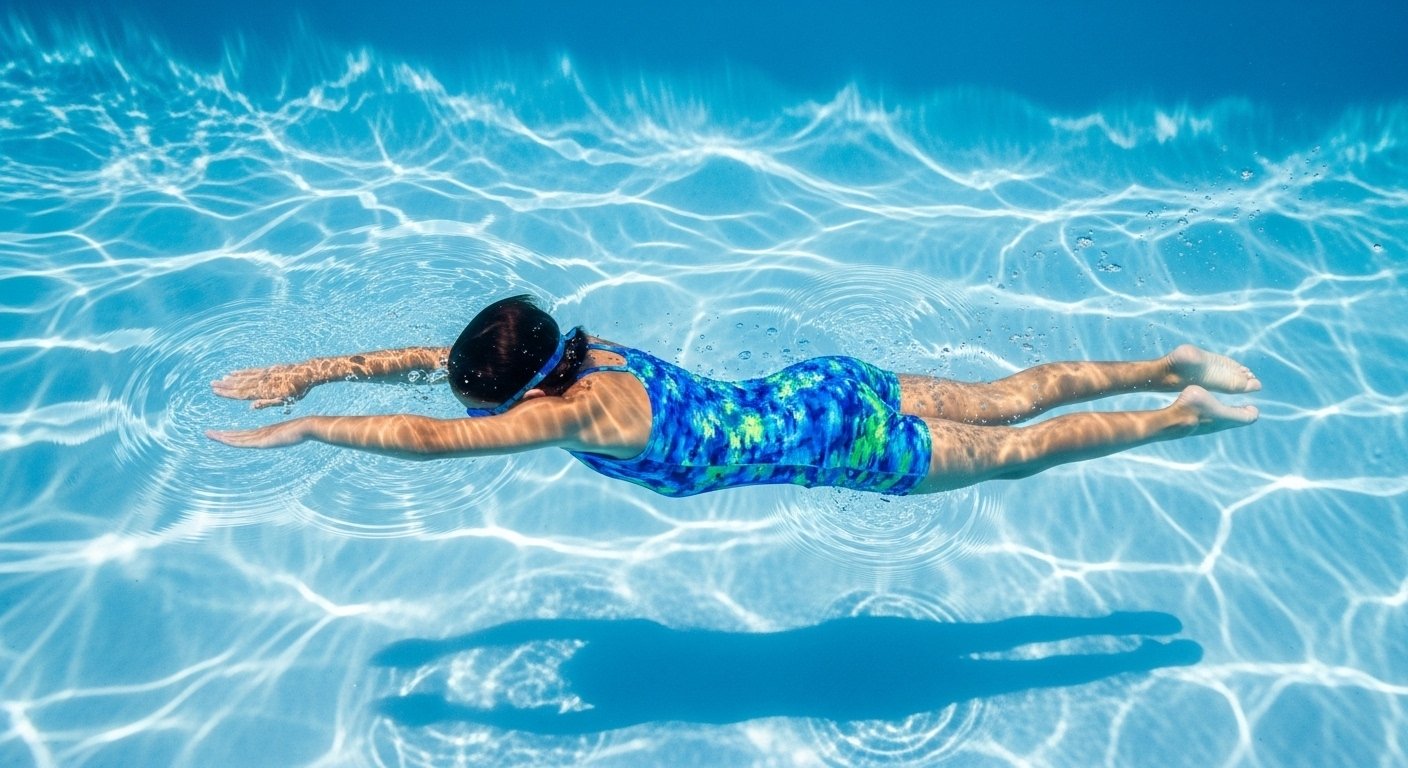
Kids move differently in water than adults because their strokes are less consistent, their kicks are more playful, and their bodies rely on quick bursts of motion rather than steady endurance. Swimwear fabric can either support that movement or create drag, bunching, and discomfort that slows them down. What a suit is made of affects how it stretches, how much water it holds, how smoothly it slips through water, and how it feels during repeated arm swings, kicks, and climbing out of the pool. Fabric also affects whether a suit stays in place or shifts during active play, which matters for confidence and safety. Understanding how fabric choices affect movement helps parents choose suits that feel light, flexible, and reliable during lessons, games, and long beach days.
What fabric choices change most
Stretch and recovery shape how freely kids move.
The first movement factor is stretch, which controls how easily a suit moves with the shoulders, hips, and knees. Many kids’ suits use blends like nylon or polyester with elastane to give two-way or four-way stretch. Four-way stretch matters when a child twists to breathe, reaches overhead, or tucks knees into a cannonball, because the fabric stretches both across and along the body rather than resisting in one direction. Recovery is just as important as stretching. A fabric that stretches easily but does not bounce back can sag, slip, and start dragging in the water.
When a suit loses recovery, it can feel heavier and create resistance with each kick, and it can also pull at shoulder straps or leg openings, distracting a child who is trying to learn a new skill. Seams and lining interact with stretch, too. A stiff lining in a high-stretch outer fabric can reduce mobility, especially around the shoulders or across the chest. For active kids, the goal is a fabric system that stretches smoothly, returns to its shape, and distributes pressure evenly so movement feels natural rather than restricted.
Water absorption and drag affect speed and fatigue.
A second major factor is how much water the fabric absorbs and how that changes drag. Some fabrics feel light on land but hold water in the knit structure, making the suit feel heavier once submerged. Extra water weight can slow kicks and make climbing out of the pool harder, especially for younger kids. Low-absorption fabrics tend to shed water faster, reducing the heavy, clingy feel and helping the suit stay closer to the body. Surface texture matters as well. Smoother fabrics usually glide through water more easily, while textured knits, decorative overlays, and thick seams can create small pockets of turbulence that increase resistance.
For casual play, the difference might show up as a child tiring sooner or feeling like they are working harder to move forward. In swim lessons, drag can interfere with technique learning because the child may compensate with awkward body positions. Kids Designer Swimwear can still support good movement when it uses performance-style knits, flat seams, and linings that do not trap water. The key is not the label, but whether the fabric and construction help the suit stay streamlined once wet.
Compression level influences stability and comfort.
Fabric choice also controls compression, which affects how stable a suit feels during active movement. Light compression can help a suit stay in place during jumping, diving, and quick direction changes, reducing the need for a child to tug at straps or waistbands. Too much compression, however, can limit the range of motion, especially across the shoulders, and it can create pressure points that make kids want to take the suit off early. The balance depends on the activity. In swim lessons, moderate torso stability helps the student feel secure while allowing the shoulders to rotate freely.
For beach play, comfort and softness may matter more because kids spend time running, sitting, and moving between water and sand. Compression also affects how a suit behaves when wet. Some fabrics become looser after repeated soaking, while others tighten slightly. A suit that shifts when wet can cause drag and rubbing at the inner thighs, underarms, or neckline. Parents can often see this by checking whether the fabric wrinkles when the child raises arms or squats. Smooth, even tension without bunching usually indicates that the fabric supports movement rather than fights it.
Fabric choices shape swim freedom.
Kids’ swimwear fabric affects movement by controlling stretch, recovery, water absorption, and how smoothly the suit sits against the body once wet. High-quality stretch with good rebound supports natural kicking and reaching without sagging, while low water absorption reduces drag and the heavy feeling that can tire kids faster. Compression level affects whether a suit feels secure or restrictive, and durability against chlorine and sun exposure helps maintain a consistent fit over time. Construction details such as flat seams, lining choices, and panel placement can reduce rubbing and keep the suit stable during active play. When parents match fabric and build quality to a child’s activity level, kids stay more comfortable, move more freely, and spend more time enjoying the water without distraction.