
 By Callum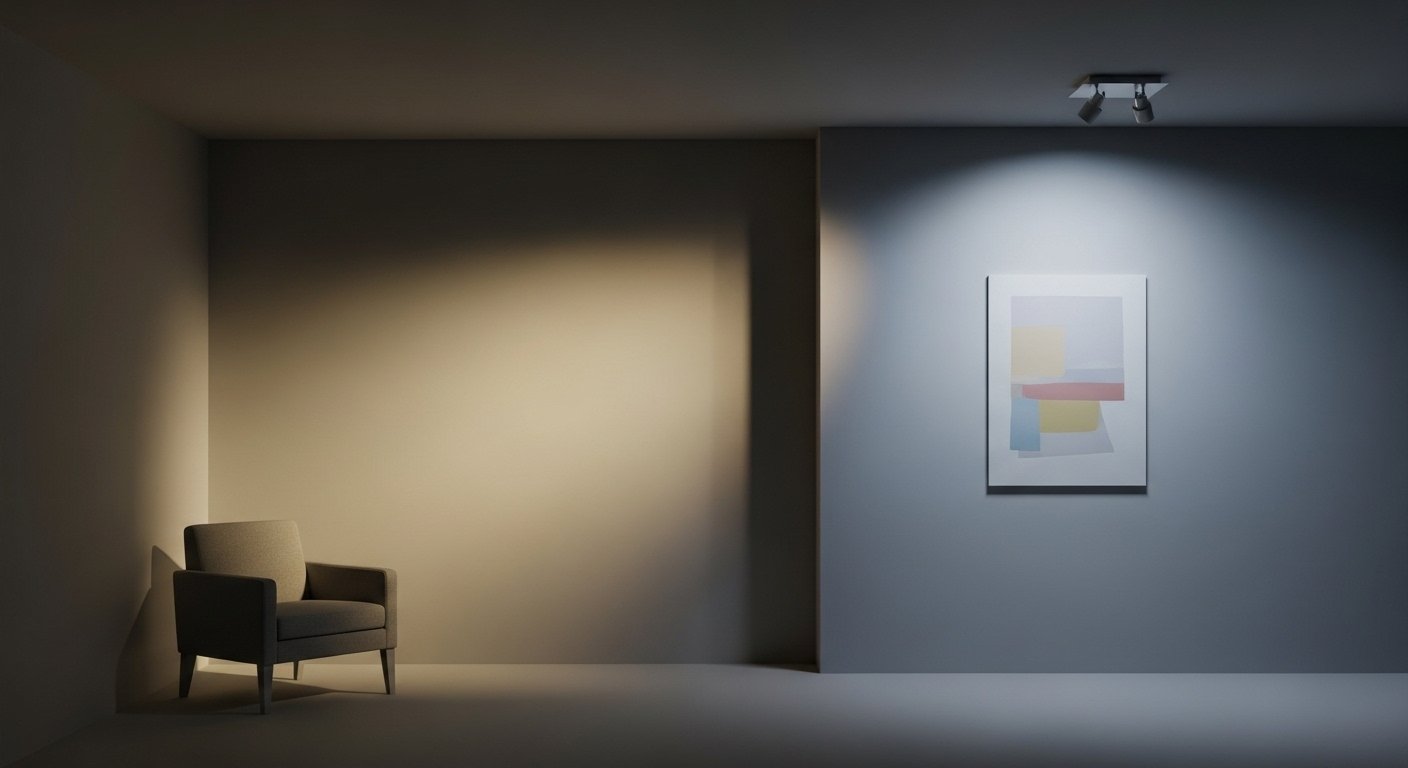
Interior paint color is never seen in isolation. It is constantly shaped by the light that touches it, the surrounding materials that reflect off it, and the time of day the room is used. A paint swatch that looks soft and balanced in a store can appear cooler, darker, warmer, or more saturated once it is placed on an actual wall. This is why color selection often feels straightforward at first, but can become surprisingly complicated once the paint is inside the home. Lighting conditions do not merely brighten a room; they change how the eye interprets color. Natural light, lamp temperature, shadow depth, window direction, and surface sheen all influence whether a color feels calm, sharp, muted, or heavy.
How Light Changes Color
What the Room Reveals
Natural daylight is often treated as the truest way to see paint color, but even daylight is far from fixed. A north-facing room usually produces cooler, steadier light, which can make grays, whites, and pale neutrals appear bluer or more subdued. A south-facing room often receives warmer, more diffuse light, which can make the same paint color look softer and more inviting. East-facing rooms shift dramatically from bright morning light to flatter afternoon conditions, while west-facing rooms may seem muted earlier in the day and far warmer by evening. These changes matter because paint does not emit color on its own; it reflects the light available in the room. That means one shade can feel completely different depending on orientation and time. Homeowners comparing samples often discover that the paint they liked most at noon becomes too dim at dusk or too warm after sunset. A color consultation from teams such as Richmond, VA Painting Contractors may focus heavily on this daily light movement because the room’s exposure often explains why a sample behaves differently than expected once it is on the wall.
Artificial Light Alters Undertones
After sunset, paint color begins to respond more to bulbs and fixtures than to windows, and that change can significantly alter perception. Warm artificial lighting, such as lower-Kelvin bulbs, tends to pull out yellow, beige, red, or cream undertones. Cooler lighting can emphasize blue, gray, or green undertones that were less obvious during the day. In rooms with mixed light sources, the effect becomes even more complex because one wall may receive warm lamp light while another catches cooler overhead illumination. This can make a single paint color feel uneven, even when the application itself is perfectly consistent. Kitchens, hallways, bathrooms, and living rooms often show this effect clearly because their lighting patterns vary by function and fixture type. A soft white may feel welcoming under one lamp and noticeably dull under another. A greige may appear balanced in daylight yet lean green under certain LEDs. Because people use interior spaces at different hours, artificial lighting can shape whether a color continues to feel comfortable once the room is occupied in everyday life.
Surface Sheen Changes the Experience
Lighting does not affect only color family and undertone; it also interacts with paint sheen to influence perception. Matte and flat finishes absorb more light, which can make a color appear softer and slightly deeper. Satin, eggshell, and semi-gloss finishes reflect more light, often making the same color appear brighter, sharper, or more variable across the wall. In rooms with strong window exposure or directional lighting, sheen can draw attention to brightness shifts that make one section of a wall look lighter than another. This is not always a flaw. Sometimes it adds dimension, but it can also make a paint color feel less stable throughout the day. Darker colors are especially sensitive to this effect because reflected light changes how their depth is read. Lighter colors can also become more reflective than expected when paired with a higher sheen. This is why two samples of the same hue may appear different if one was tested in an eggshell finish and the final selection is applied in satin or matte. Light and sheen work together to shape the final visual result.
Color Should Be Judged Over Time
Because lighting changes so much, paint color should be judged over time rather than in a single moment. A shade that looks attractive under one condition may feel completely different under another, and that difference often becomes clear only after watching it through a full day. Morning daylight, afternoon shadow, evening lamp light, and nighttime overhead fixtures all reveal different sides of the same color. This is why large wall samples are more useful than tiny chips. They show how the color behaves in the actual environment where it will live. Interior paint selection becomes more accurate when the room’s light pattern, bulb type, finish sheen, and surrounding materials are all considered together. The color itself matters, but lighting determines how that color is truly experienced. In the end, a successful paint choice is not just one that looks good on a swatch. It continues to feel right as the light changes and the room moves through daily life.