
 By Callum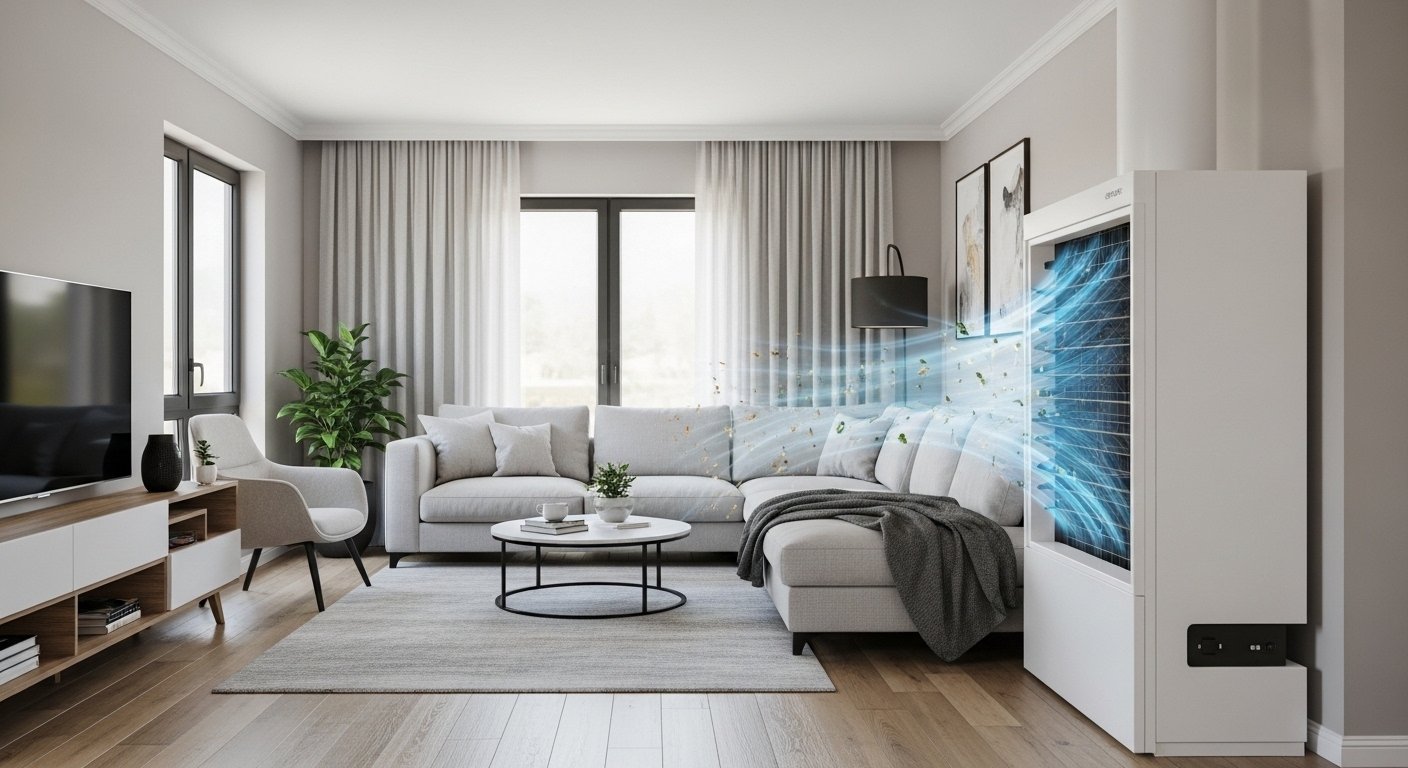
Indoor air quality plays a central role in respiratory health, particularly for individuals dealing with allergies and asthma. Modern buildings are tightly sealed for energy efficiency, but this can trap airborne irritants inside. Dust, pollen, pet dander, mold spores, and volatile organic compounds circulate through living spaces and repeatedly pass through the lungs. We will explore how HVAC air purification systems function within heating and cooling networks to reduce these contaminants, improve breathing comfort, and create a healthier indoor environment. Understanding the science behind filtration and air treatment helps homeowners make informed decisions about protecting their families from chronic respiratory triggers.
How HVAC Air Purification Targets Respiratory Triggers
Capturing Microscopic Allergens Through Advanced Filtration
High-efficiency HVAC filtration systems are engineered to trap microscopic particles before they recirculate through ductwork. Standard filters primarily capture large debris, but upgraded filtration media with higher MERV ratings can remove fine particles such as pollen, dust mite fragments, and pet dander. These particles are common triggers for allergic rhinitis and asthma flare-ups. When air passes repeatedly through the HVAC system each day, enhanced filters gradually reduce the total airborne allergen load inside the home.
This continuous filtration cycle prevents irritants from accumulating on surfaces and reentering the breathing zone. Over time, occupants often experience fewer symptoms such as sneezing, nasal congestion, itchy eyes, and wheezing. Proper installation and routine filter replacement are essential to maintaining airflow efficiency while ensuring contaminants remain trapped, which is why working with a trusted provider like One Stop Heating and Air Conditioning can support long-term system performance and reliability. By reducing airborne particulates at the system level rather than relying on portable units alone, whole-home HVAC purification delivers a consistent, measurable improvement in indoor air quality.
Neutralizing Airborne Pathogens and Mold Spores
Beyond allergens, many HVAC air purification systems incorporate technologies that address biological contaminants. Mold spores and bacteria can circulate unnoticed, particularly in humid climates or properties with past moisture issues. Ultraviolet germicidal irradiation (UVGI) components installed within the HVAC air handler can disrupt microorganisms’ DNA, preventing replication. This process helps limit microbial growth on coils and within ductwork, areas that otherwise become breeding grounds for contaminants. For individuals with asthma, exposure to mold spores can significantly aggravate airway inflammation and trigger persistent coughing or chest tightness.
By reducing viable spores and pathogens in circulated air, purification systems contribute to a more stable respiratory environment. Maintaining balanced indoor humidity further limits mold development, reinforcing the protective effect of filtration and UV treatment. Together, these mechanisms reduce the biological burden inside the home, which is particularly valuable for households with children, older adults, or anyone with compromised respiratory sensitivity.
Reducing Volatile Organic Compounds and Chemical Irritants
Airborne irritants are not limited to visible dust or biological particles. Volatile organic compounds (VOCs) emitted from cleaning products, paints, furnishings, and building materials can accumulate indoors. These chemical vapors may irritate the respiratory tract, provoke headaches, and worsen asthma symptoms. Advanced HVAC purification systems may incorporate activated carbon filters or other adsorption media designed to capture gaseous pollutants. Unlike mechanical filters that trap solid particles, carbon-based filtration binds chemical molecules to its porous surface, removing them from circulation.
This is particularly relevant in newly constructed or recently renovated homes where off-gassing is more pronounced. By lowering indoor VOC concentrations, HVAC purification reduces airway irritation and supports long-term respiratory comfort. The effect may be subtle but cumulative, as fewer chemical irritants mean less ongoing inflammation within sensitive airways. For allergy and asthma management, minimizing both particulate and gaseous triggers creates a more comprehensive strategy for maintaining symptom control throughout the year.
Improving Airflow Consistency and Reducing Dust Recirculation
An often overlooked aspect of HVAC purification is its impact on airflow dynamics. When filters are properly matched to the system and replaced on schedule, they help maintain balanced airflow and prevent dust buildup in the ductwork. Accumulated debris inside ducts can be redistributed whenever the system cycles on, exposing occupants to the same irritants repeatedly. Whole-home air purification reduces this recirculation effect by continuously extracting particles before they settle deeply within the system.
In addition, cleaner coils and internal components operate more efficiently, promoting consistent temperature and humidity control. Stable humidity levels are critical for asthma management because overly dry air can irritate the airways, while excessive humidity can support the growth of dust mites and mold. By integrating purification with overall HVAC maintenance, homeowners create a coordinated approach that addresses both air cleanliness and environmental balance. This systems-level improvement often results in fewer acute respiratory reactions and more predictable comfort indoors.
Supporting Long-Term Respiratory Health Through Continuous Treatment
Portable air cleaners may provide temporary relief in a single room, but integrated HVAC purification treats air throughout the entire home during every heating or cooling cycle. This continuous exposure to filtered and conditioned air gradually lowers the baseline level of allergens and irritants in the environment. Over weeks and months, reduced exposure can lead to fewer asthma exacerbations and reduced reliance on rescue medications for some individuals.
While medical treatment remains essential, environmental control plays a complementary role in symptom management. Families often report improved sleep quality, reduced nighttime coughing, and less morning congestion after implementing comprehensive purification measures. The key advantage lies in consistency; rather than targeting symptoms after they occur, whole-home systems work proactively to limit triggers before they enter the respiratory tract. For households prioritizing preventive strategies, HVAC air purification becomes a foundational component of a broader indoor air quality plan that includes ventilation, humidity management, and routine system care.
HVAC air purification significantly reduces allergy and asthma symptoms by addressing airborne particles, biological contaminants, and chemical irritants at the source. Through advanced filtration, ultraviolet treatment, adsorption media, and improved airflow management, these systems lower the concentration of triggers that commonly inflame sensitive airways. Although no system can replace medical guidance, improving indoor air quality offers a practical, proactive measure for families seeking relief from chronic symptoms. A cleaner, balanced indoor environment ultimately promotes healthier breathing and greater day-to-day comfort.