
 By Callum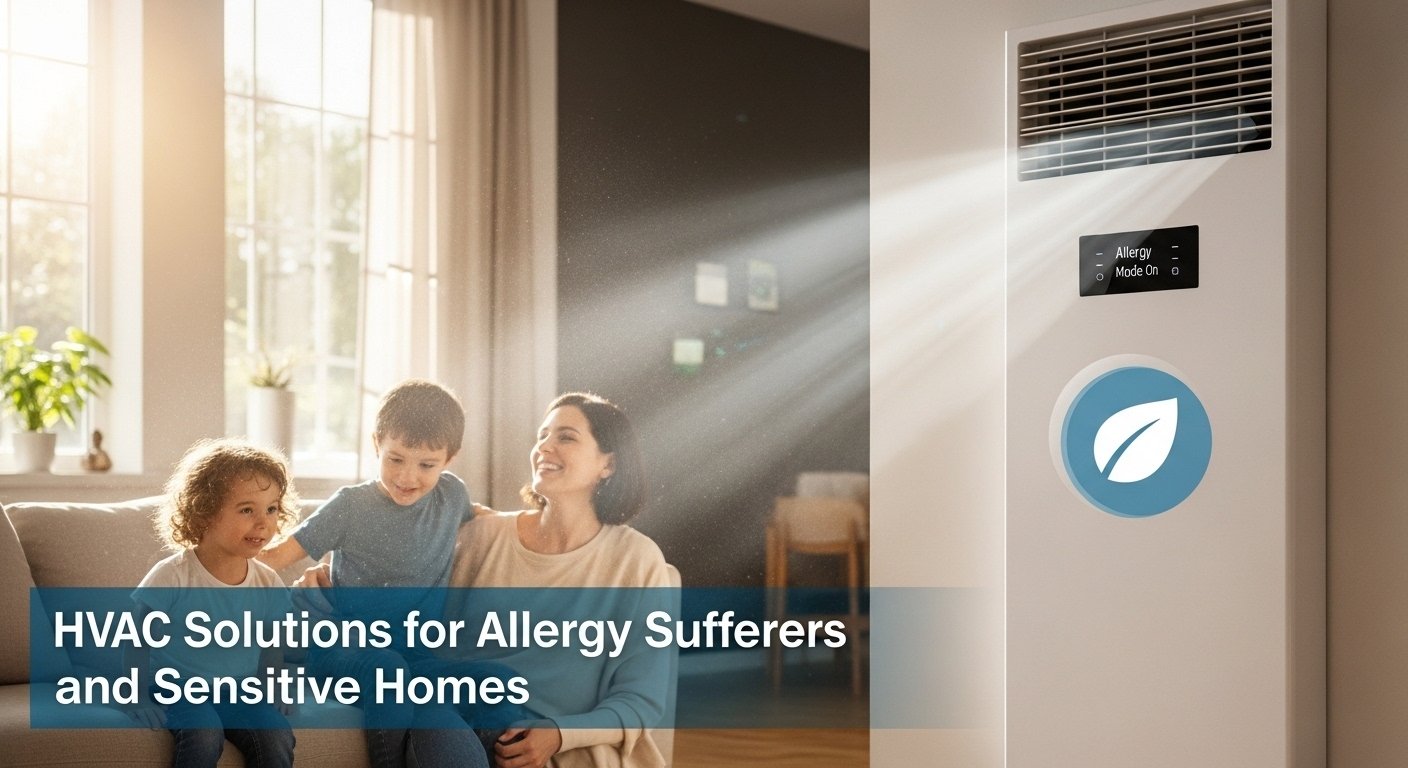
Indoor air quality can profoundly influence the comfort and health of those living in a home, especially for people who suffer from allergies, asthma, or heightened sensitivity to airborne irritants. Poor ventilation and airborne contaminants like pollen, dust, pet dander, and mold spores often accumulate unnoticed, triggering uncomfortable reactions or exacerbating underlying conditions. Choosing the right HVAC approach isn’t just about controlling temperature; it’s about fostering an indoor environment where breathing feels effortless and safe. We will explore practical HVAC solutions that significantly reduce airborne allergens and create a more comfortable living space for sensitive individuals and households.
Enhancing Indoor Air for Sensitive Residents
High‑Efficiency Filtration and Air Cleaners for Particulate Control
One of the most effective steps for reducing indoor allergens is upgrading the filtration system in your HVAC unit. Traditional filters capture only larger particles and often allow fine dust, pollen, and other microscopic irritants to circulate freely through the air. Upgrading to high‑efficiency filters that capture smaller particulate matter can dramatically improve air quality by trapping allergens before they spread throughout the home. Companies like Long Heating and Cooling also offer solutions such as stand‑alone air cleaners or integrated whole‑home air purification systems with advanced filtration technology to further reduce microscopic particles that trigger allergic reactions.
Units that use electrostatic or high-MERV-rated filters capture particles from the air more effectively than standard filters. For homes with specific sensitivities, selecting a filter that balances high particle removal with minimal airflow restriction is critical to ensure your HVAC system runs smoothly without unnecessary strain. Investing in high-quality filtration and properly maintaining it through regular replacement or cleaning will help ensure that the air circulating in your living spaces is as free of common irritants as possible.
Regular HVAC Maintenance to Minimize Mold, Dust, and Debris
Allergens are not just airborne; they can build up inside HVAC components themselves if the system is not serviced regularly. Dust, moisture, and organic debris that collect in ducts, coils, and vents create ideal conditions for mold growth and allergen accumulation. When the HVAC system cycles on and off, these contaminants can be pushed into living spaces, worsening indoor air quality. Routine maintenance, including professional cleaning of coils, drip pans, and ductwork, minimizes this risk and helps the system operate efficiently.
During maintenance visits, technicians can also check for moisture buildup and fix issues that contribute to mold growth. Regularly changing filters according to manufacturer guidelines prevents clogging and reduces the circulation of trapped particles. Even simple tasks like vacuuming air vents and keeping areas around return and supply grilles clean can make a measurable difference. Consistent maintenance reduces hidden allergen reservoirs and supports healthier airflow throughout sensitive homes.
Humidity Control to Reduce Allergen Growth
One often overlooked factor in indoor air quality is humidity. High indoor humidity creates an inviting environment for dust mites, mold, and mildew—all significant triggers for allergy sufferers. Optimal indoor humidity levels generally range from 30 to 50 percent, which discourages the proliferation of these unwanted allergens. HVAC solutions that incorporate humidity control help manage moisture in the air, whether through dehumidification systems or integrated humidity sensors that automatically adjust airflow.
In climates where humidity fluctuates frequently, a coordinated approach that manages both heating and cooling and moisture levels helps keep interior air comfortable and less hospitable to allergens. For homes without built‑in humidity control, portable dehumidifiers can serve as a supplementary aid, especially in basements, laundry areas, or other moisture‑prone spaces. Maintaining a balanced humidity level not only makes the indoor climate more comfortable but also directly reduces airborne irritants, making the air easier to breathe for sensitive individuals.
Ventilation Improvements to Introduce Fresh Air
Stagnant indoor air allows allergens to concentrate and linger, compounding discomfort for sensitive residents. Improving ventilation is a key HVAC strategy for diluting indoor contaminants and introducing fresh outdoor air. Mechanical ventilation systems, such as energy recovery ventilators (ERVs) or heat recovery ventilators (HRVs), allow controlled amounts of outside air to enter the home while expelling stale indoor air. These units transfer heat and moisture between the incoming and outgoing air streams, improving indoor air quality without sacrificing energy efficiency.
Proper ventilation also helps prevent the accumulation of volatile organic compounds (VOCs) from household products and furnishings, which can irritate sensitive airways. In older homes or well‑sealed new construction, sufficient ventilation is especially important to prevent pollutants from concentrating to harmful levels. By pairing ventilation upgrades with effective filtration, homes can maintain a balance of fresh air and low allergen loads, improving comfort and reducing triggers for individuals with sensitivities.
Indoor air quality significantly affects daily comfort and long‑term health for allergy sufferers and sensitive households. HVAC systems, when thoughtfully configured and maintained, play a central role in reducing airborne irritants and promoting a healthier living environment. By investing in improved filtration, regular system maintenance, humidity control, enhanced ventilation, and advanced allergen-reduction technologies, homeowners can create spaces where the air feels cleaner and breathing feels easier. These solutions work together to reduce common triggers and support a more comfortable home life for all residents, especially those with sensitivities.
Maintaining indoor air quality requires ongoing attention, but the benefits—reduced allergy symptoms, fewer irritants circulating through living spaces, and a more comfortable indoor climate—are well worth the effort. Thoughtful HVAC planning helps ensure that homes provide not just a comfortable temperature but truly healthier air for everyone who lives there.