
 By Callum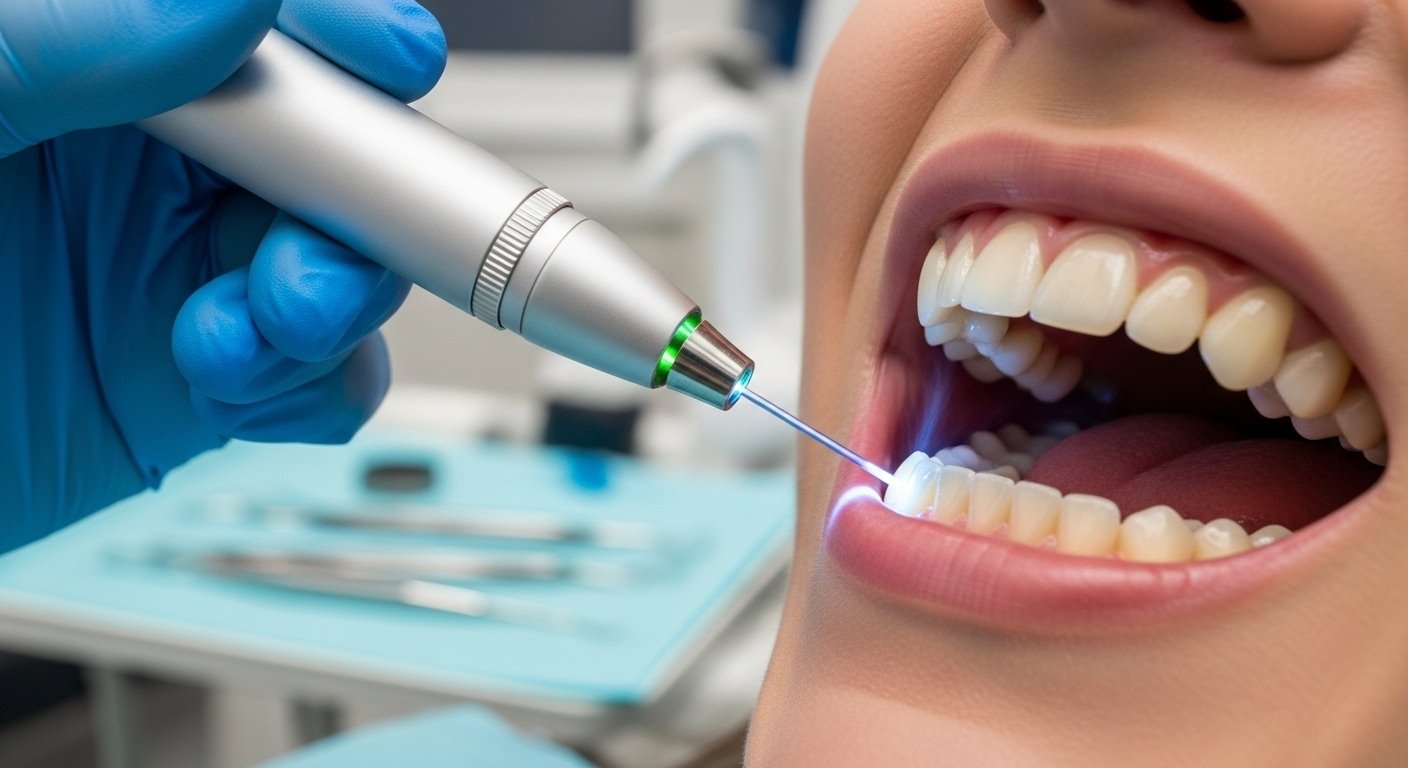
Modern dental technology has transformed the patient experience, making procedures less intimidating and more efficient. For individuals anxious about visits to the dentist, laser dental treatments offer a comfortable alternative to traditional methods. By using concentrated light energy, lasers treat teeth and gums with precision, reducing discomfort, bleeding, and recovery time. Many people seeking solutions for cavities, gum disease, or cosmetic adjustments now have the option of laser therapy. We will explore what patients should anticipate during and after a laser dental procedure, including preparation, procedural steps, and post-treatment care. Understanding these aspects can make the experience more predictable and reduce anxiety for anyone considering laser dental care.
Understanding the Process and Recovery of Laser Dental Procedures
Preparation and Initial Consultation
Before a laser procedure begins, patients undergo a thorough examination to determine the best approach. The dentist evaluates the area requiring treatment, sometimes using X-rays or other imaging tools to identify issues not visible to the naked eye. During this consultation, the patient learns which type of laser will be used, whether for hard tissue like teeth or soft tissue like gums, and the expected outcomes. Many dental offices offering laser dentistry services provide detailed instructions regarding oral hygiene and pre-procedure guidelines. Patients may be asked to avoid certain foods or medications before treatment, depending on the procedure. This step ensures the procedure goes smoothly and minimizes potential complications. Establishing a clear understanding of the process allows patients to feel confident and prepared.
During the Procedure
Laser dental treatments often require little or no anesthesia, which is a significant advantage for patients concerned about needles or numbness. During the procedure, protective eyewear is worn to shield the eyes from the laser light. The dentist uses a handheld device to direct the laser precisely at the affected area. Patients might feel a slight warmth or gentle pressure as the laser works. Some may hear a soft popping sound, which is normal during laser operation. Depending on the procedure, treatment time can be shorter than traditional dental work. The laser’s precision means that only diseased or damaged tissue is treated, leaving healthy structures intact. This accuracy reduces trauma and supports faster healing.
Immediate Post-Treatment Effects
After the procedure, patients often notice minimal discomfort compared to traditional dental methods. Laser treatment usually seals tissue and blood vessels, significantly reducing bleeding. Swelling is typically minimal, and sutures are often unnecessary, allowing patients to resume normal activities quickly. Sensitivity or minor discomfort may occur in some cases, but this generally resolves within a few hours. The dentist provides post-treatment care instructions, which may include gentle rinsing, avoiding certain foods, and monitoring for unusual reactions. Patients are encouraged to follow these instructions closely to ensure proper healing. Recovery tends to be faster and smoother than conventional methods, making laser dental care appealing to a wide range of patients.
Follow-Up Care and Monitoring
Follow-up appointments are an important part of laser dental treatment. These visits allow the dentist to monitor healing, ensure the procedure achieved the desired outcome, and address any concerns. During gum treatments, the dentist may assess tissue regeneration and attachment to the teeth. For cavity removal or root canal procedures, the dentist ensures that the treated areas remain healthy and free from infection. Regular follow-up care reinforces long-term oral health and helps prevent complications. Patients are typically advised to maintain routine oral hygiene, including brushing, flossing, and using recommended rinses, to support the effectiveness of the laser procedure.
Long-Term Benefits
Laser dental procedures offer long-term advantages beyond immediate comfort. The precision of the laser preserves a more natural tooth and gum structure, supporting overall oral health. Reduced trauma during treatment means less irritation and faster recovery for future dental care. Many patients experience fewer complications, such as infections or prolonged bleeding, compared to traditional dental procedures. In cosmetic applications, such as gum contouring or teeth whitening enhancement, laser treatments can provide lasting improvements in appearance. By addressing dental issues early and efficiently, patients can reduce the need for more invasive treatments in the future.
Safety and Patient Confidence
Laser dentistry has a strong safety record, backed by decades of clinical use and FDA approval. Dentists complete training to operate laser equipment effectively and follow established protocols to minimize risk. Patients can feel confident in the safety of laser procedures when performed by trained professionals. The laser’s ability to sterilize as it works reduces the risk of post-procedure infection. In addition, the focused treatment avoids unnecessary removal of healthy tissue, further reducing the risk of complications. Knowledge of these safety features can ease anxiety for patients who are apprehensive about dental visits.
Comfort and Reduced Anxiety
One of the most significant benefits of laser dental procedures is patient comfort. The minimally invasive nature of laser treatment reduces pain, swelling, and bleeding. Patients often require less anesthesia, and many leave the office feeling little to no discomfort. For those who experience dental anxiety, a calmer and faster experience can make visits less stressful. Even patients who have avoided dental care due to fear of drills or needles often find laser procedures manageable. By providing a more comfortable environment, laser dentistry encourages consistent oral care, which contributes to overall health and well-being.
Laser dental procedures offer a modern approach to oral care that combines precision, comfort, and efficiency. Patients can expect minimal discomfort, reduced bleeding, and faster recovery times compared to traditional methods. Understanding the preparation, procedural steps, immediate effects, and follow-up care helps reduce anxiety and ensures better outcomes. With proper guidance and post-treatment care, laser dentistry can support long-term oral health while enhancing overall comfort. Individuals considering dental treatment can benefit from the predictable results, reduced recovery times, and minimally invasive nature of laser procedures, making them a compelling option for a wide range of dental needs.