
 By Callum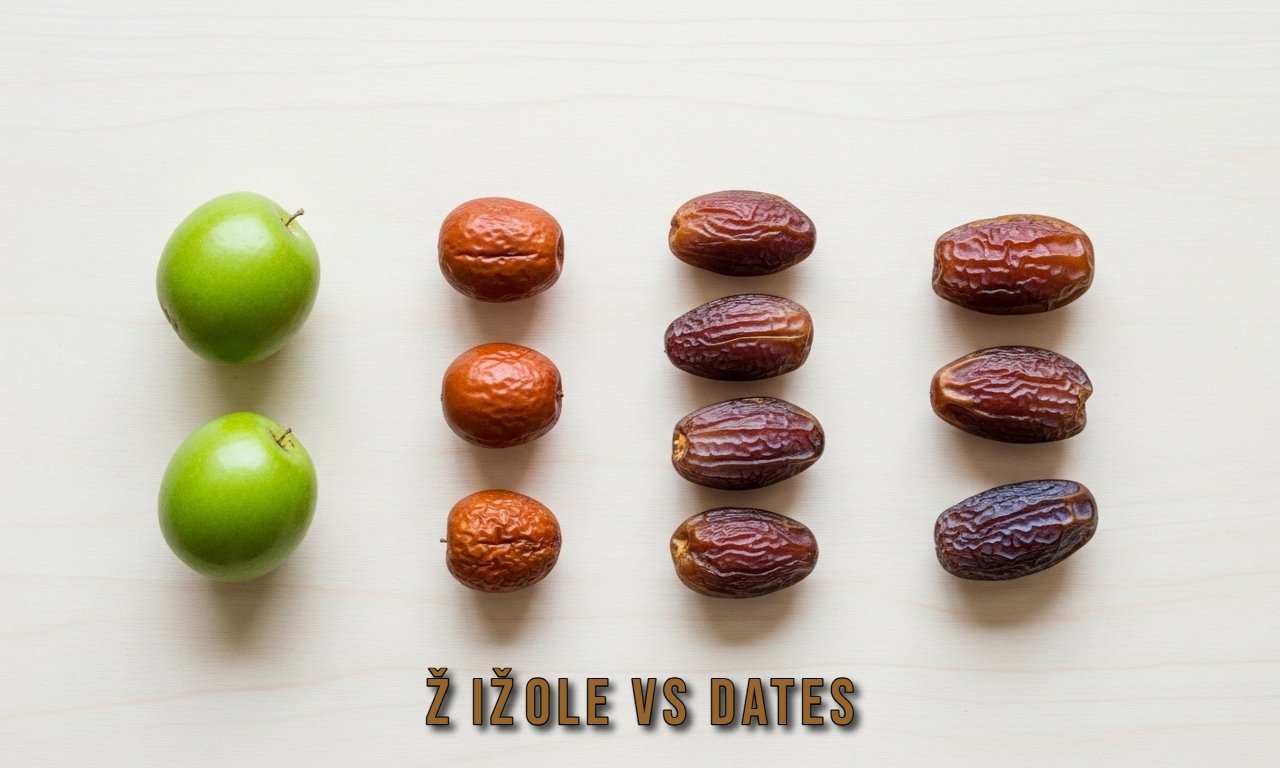
When it comes to sweet, nutritious snacks, two contenders often steal the spotlight: žižole and dates. Both fruits offer unique flavors and textures that tantalize our taste buds. However, they also come packed with a variety of health benefits that make them more than just delightful treats. In this blog post, we’ll explore the fascinating world of žižole and compare them to their well-known counterpart, dates. From nutritional strengths to culinary uses and cultural significance, join us on this journey as we uncover what makes these fruits special in their own right!
What Are Žižole?
Žižole, also known as jujube or red date, belong to the Ziziphus genus. These small, oval fruits come in various colors, often ranging from green to dark brown when ripe. Their sweet and tangy flavor is reminiscent of a cross between an apple and a date.
Originating in Asia, žižole have been cultivated for thousands of years. They thrive in warm climates and are commonly found across China, Korea, and parts of the Mediterranean region. The trees themselves are hardy and drought-resistant.
Beyond their delightful taste, žižole play a significant role in traditional diets around the world. They’re not only enjoyed fresh but can also be dried or processed into jams and teas for year-round enjoyment.
Nutritional Strength and Health Benefits of Žižole
Žižole, also known as jujube, packs a powerful nutritional punch. They are rich in vitamins C and A, which boost the immune system and promote skin health. Additionally, these fruits contain essential minerals like potassium and iron.
The fiber content in žižole aids digestion while helping to regulate blood sugar levels. This makes them a great snack for those monitoring their glucose intake or seeking to improve gut health.
Moreover, žižole have antioxidant properties that combat oxidative stress in the body. These antioxidants help reduce inflammation and may lower the risk of chronic diseases such as heart disease and diabetes. Enjoying this fruit can contribute positively to your overall well-being.
Žižole in Traditional and Modern Medicine
Žižole, also known as jujube, has been cherished in traditional medicine for centuries. Ancient cultures utilized its fruit and leaves to treat various ailments ranging from insomnia to digestive issues. Herbalists often recommend žižole tea for its calming effects and potential to enhance sleep quality.
In modern medicine, researchers are exploring the fruit’s antioxidant properties and their role in promoting overall health. Studies suggest that žižole may help reduce inflammation and support heart health due to its high vitamin content.
Today, žižole supplements have gained popularity among wellness enthusiasts. They appreciate the natural remedy’s benefits while enjoying it as a delicious snack or ingredient in smoothies, bridging ancient wisdom with contemporary nutritional practices.
Žižole vs. Dates
Žižole and dates offer distinct flavors that appeal to different palates and Žižole, often described as tangy and slightly sweet, has a unique taste profile that sets it apart from the more commonly known date. Dates are renowned for their rich sweetness, making them a popular choice in desserts and snacks.
Texture is another key difference. Žižole tend to be firmer with a chewy bite, while dates are soft and sticky. This contrast influences how they can be used in various culinary applications.
When it comes to health benefits, both fruits shine but serve different purposes. While dates provide quick energy due to their high sugar content, žižole offer fiber and essential nutrients that contribute to digestive health.
Culinary Uses and Flavor Experience of Žižole and Dates
Žižole, also known as jujube, offers a unique flavor profile that blends sweetness with subtle tartness. When enjoyed fresh, they have a crunchy texture reminiscent of apples. Dried žižole provide an intensified sweetness and chewy consistency, making them an excellent addition to snacks or desserts.
Dates are celebrated for their rich caramel-like taste and smooth texture. Their natural sweetness makes them perfect for energy bars or as a sweetener in smoothies. When blended into baked goods like cakes or muffins, dates add moisture and depth.
Both fruits can complement savory dishes too. Chopped žižole can enhance salads with their refreshing bite while dates work wonders in tagines and curries, adding complexity to the overall dish.
Growing Conditions and Cultivation of Žižole and Dates
Žižole thrive in well-drained, sandy soils with plenty of sunlight. They prefer warm climates, making regions like the Mediterranean ideal for their growth. These trees are resilient and can withstand drought conditions.
Dates grow on tall palm trees that require similar warmth but also benefit from moist soil during specific growth stages. The Arabian Peninsula is a prime location for date cultivation due to its hot climate and rich agricultural traditions.
Both fruits demand careful attention during harvesting. Žižole are typically handpicked when fully ripe to ensure quality, while dates need careful timing to reach optimal sweetness before harvest. Understanding these growing conditions enhances the ability to cultivate both fruits successfully.
Cultural Significance and Relevance Today
Žižole hold a special place in various cultures, especially in Eastern Europe and the Balkans. These fruits symbolize resilience, as they thrive in diverse climates and challenging terrains. Historically, they have been celebrated during local festivals and gatherings, often serving as a reminder of community bonds.
In modern times, žižole are gaining traction among health enthusiasts due to their nutritional benefits. As people seek natural alternatives to processed snacks, these nutrient-dense fruits offer a unique option that aligns with today’s wellness trends.
Furthermore, the revival of traditional recipes incorporating žižole reflects a broader movement towards sustainable eating practices. This trend emphasizes local ingredients while reconnecting consumers with their culinary heritage.
Safety, Consumption, and Health Impacts
Žižole are generally safe for most people when consumed in moderation. Their naturally sweet flavor makes them an appealing snack, but overindulgence may lead to digestive discomfort due to their high fiber content. It’s always wise to listen to your body and adjust intake accordingly.
When incorporating žižole into the diet, it’s essential to consider any allergies or sensitivities. Always check product labels if purchasing packaged goods, as additives can sometimes be included.
In terms of health impacts, žižole offer numerous benefits thanks to their rich nutrient profile. They contain antioxidants that help combat oxidative stress and support overall well-being. However, individuals with specific dietary restrictions should consult a healthcare professional before adding them regularly to their diet.
Conclusion
When it comes to comparing žižole and dates, both fruits offer unique flavors and textures. Žižole stands out with its rich history and diverse health benefits, while dates are widely celebrated for their sweetness and versatility. Each has its own culinary uses that can enhance various dishes.
Additionally, the distinct growing conditions of these fruits play a vital role in their availability and cultivation practices. Understanding cultural significance helps appreciate how these foods shape traditions across regions.
Both žižole and dates hold valuable places in diets around the world. Whether you prefer one over the other or enjoy them both, incorporating these nutritious options into your meals can lead to delightful flavor experiences and numerous health benefits.