
 By Callum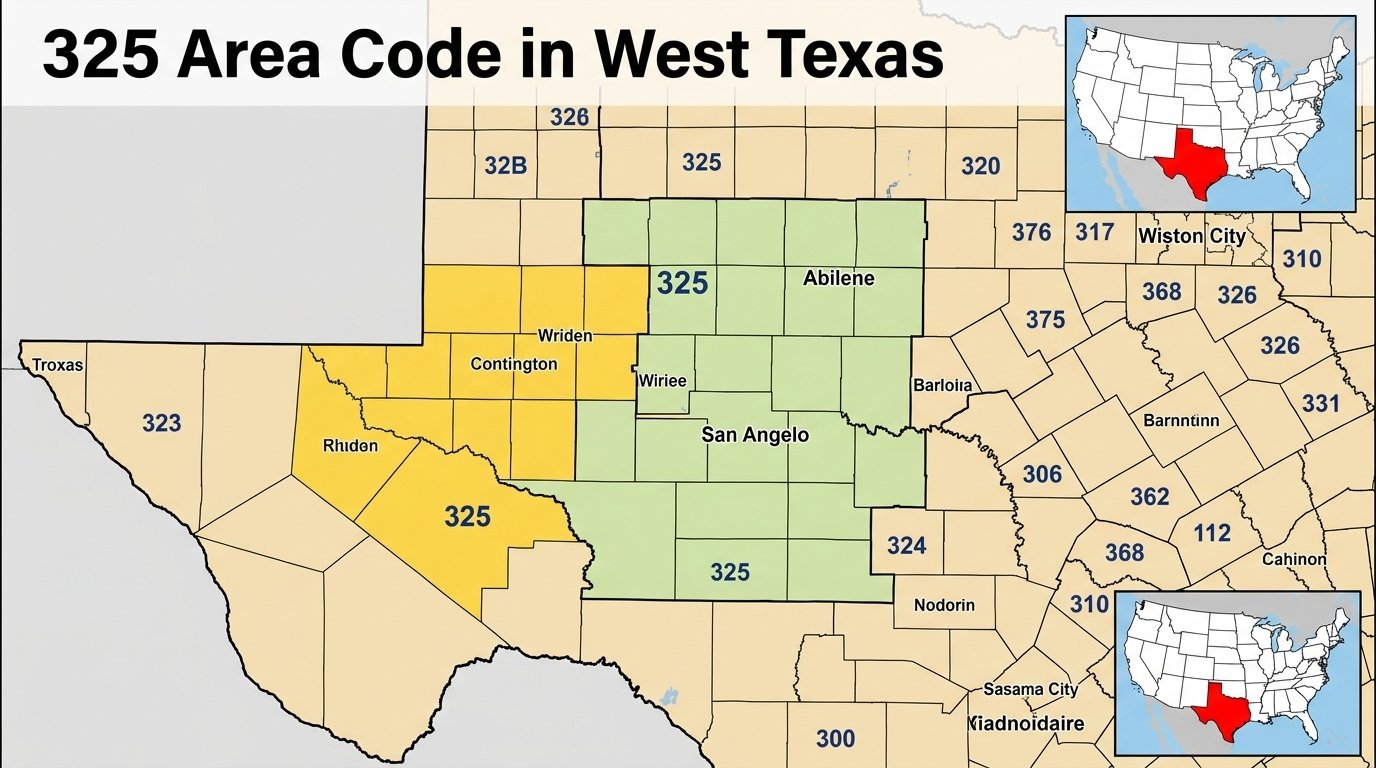
The 325 area code is an important part of the telecommunications network in central and western Texas. Covering a large geographic region filled with historic towns, agricultural communities, universities, and growing business centers, this area code connects millions of calls every year. It serves residents, local companies, educational institutions, healthcare providers, and travelers who rely on stable communication across the region.
Area codes may seem like simple numerical prefixes, but they carry cultural and geographic significance. They often become symbols of local identity and community pride. In Texas, telephone area codes are commonly associated with regional traditions, local business networks, and economic growth. The 325 area code is no exception.
Since its introduction, the region has experienced steady development in industries such as education, healthcare, ranching, agriculture, retail, tourism, and energy production. The communication infrastructure tied to this numbering system has supported those industries by allowing efficient local and long-distance connections.
Understanding how the 325 area code works, where it is located, and why it matters can help residents and businesses make informed communication decisions. This article explores its history, geographic coverage, economic importance, cultural relevance, and future role in modern telecommunications.
The History of the 325 Area Code
Telephone area codes were introduced in the United States to improve call routing and support a rapidly expanding population. Before direct dialing became common, operators manually connected calls between regions. As telephone usage increased, a standardized numbering system became necessary.
The 325 area code was officially established in April 2003. It was created through a split from the 915 area code, which previously covered a much larger portion of western Texas. Population growth and the increasing demand for mobile phones, fax machines, and internet connections made the split necessary.
By introducing a separate area code, telecommunications providers could supply more phone numbers to residents and businesses without overwhelming the existing system. This change reflected broader technological trends occurring throughout the United States during the early 2000s.
The implementation process required businesses and residents to update marketing materials, contact lists, and phone systems. Although transitions like this can initially create confusion, they ultimately improve long-term communication capacity and efficiency.
Today, the region continues to grow, and the numbering system remains an essential part of local infrastructure.
Geographic Coverage
The 325 area code serves a broad section of central and western Texas. The region includes rural communities, medium-sized cities, and educational centers spread across a large geographic area.
One of the most recognized cities within the region is Abilene, which acts as a major economic and cultural hub. Other communities covered include San Angelo, Brownwood, Sweetwater, Snyder, Ballinger, and numerous smaller towns.
The landscape of the region varies significantly. Some areas feature ranches and farmland, while others contain urban districts with shopping centers, hospitals, universities, and industrial facilities. This diversity contributes to the unique character of the area.
Because the territory spans a large section of Texas, residents often rely heavily on telecommunications for business coordination, healthcare access, education, and emergency services. Reliable phone networks remain especially important in rural locations where travel distances can be considerable.
The 325 area code also supports tourism by helping visitors connect with hotels, restaurants, local attractions, and transportation services throughout the region.
Major Cities Within the Region
Abilene
Abilene is one of the largest cities associated with the 325 area code. Known for its educational institutions, healthcare services, and military connections, the city plays a central role in the regional economy. It is home to universities, museums, and a growing business sector.
San Angelo
San Angelo is another important city in the region. It is recognized for its artistic culture, livestock industry, and outdoor recreation opportunities. The city attracts tourists and supports a strong local economy connected to agriculture and trade.
Brownwood
Brownwood combines small-town charm with economic activity related to education and commerce. It serves as a regional center for surrounding rural communities and contributes to the area’s cultural identity.
Sweetwater
Sweetwater is known for its ties to energy production and wind power development. The city also hosts community events that attract visitors from across Texas.
Snyder
Snyder has historically benefited from oil and gas industries. In recent years, it has continued developing infrastructure and supporting local business growth.
Each of these cities contributes to the broader significance of the 325 area code by supporting communication networks that connect communities and industries.
Economic Importance
The economy connected to the 325 area code includes agriculture, education, healthcare, manufacturing, retail, and energy production. Telecommunications infrastructure supports each of these sectors by enabling fast communication between businesses, suppliers, customers, and employees.
Agriculture remains a major part of the regional economy. Ranchers and farmers depend on reliable phone and internet services for equipment coordination, weather monitoring, transportation scheduling, and market communication.
The energy industry also plays a major role. Oil, natural gas, and wind energy projects require efficient communication systems for operational safety and logistics management.
Educational institutions contribute significantly as well. Universities and colleges in the region rely on telecommunications for student services, online learning, administration, and research collaboration.
Healthcare providers use advanced communication technology to coordinate patient care, emergency response, and remote consultations. Rural healthcare access especially depends on strong telecommunications systems.
Small businesses also benefit from regional connectivity. Restaurants, retail shops, hotels, and service providers use local phone numbers to establish trust and maintain strong customer relationships.
Telecommunications and Modern Technology
The telecommunications landscape has changed dramatically over the past two decades. While traditional landlines once dominated communication, mobile devices and internet-based services now play a central role in daily life.
The 325 area code supports mobile phones, business systems, broadband internet, and digital communication services. Residents and businesses increasingly rely on smartphones for banking, education, shopping, entertainment, and work.
Voice over Internet Protocol technology has also become common. Many organizations now use internet-based phone systems that allow flexible communication from multiple devices and locations.
Despite advances in technology, area codes still matter. They help identify regional connections and remain important for local branding. Many businesses prefer keeping local numbers because customers often trust familiar area codes.
The expansion of digital infrastructure throughout Texas continues to improve communication quality in both urban and rural communities within the region.
Cultural Identity and Community Pride
Area codes often become symbols of regional identity. The 325 area code represents more than a phone prefix for many residents. It reflects local culture, traditions, and shared experiences tied to life in west-central Texas.
Community pride is visible in local events, sports teams, business branding, and regional merchandise. Residents frequently associate the area code with hometown loyalty and Texas heritage.
Music, rodeos, county fairs, and local festivals contribute to the region’s distinct identity. The communication network tied to the area code helps promote these cultural activities and supports tourism throughout the year.
Social media has further strengthened regional identity. Businesses and individuals often reference the area code in online profiles, advertising campaigns, and local marketing materials.
The continued use of local numbers helps maintain connections between generations and preserves the sense of belonging that many communities value deeply.
Challenges Facing the Region
Like many large geographic areas, the territory served by the 325 area code faces several communication-related challenges.
Rural Connectivity
Some rural communities continue to experience limited broadband access and slower internet speeds compared to larger metropolitan areas. Expanding infrastructure remains important for economic development and educational access.
Population Growth
As cities expand and more devices require phone numbers, demand for telecommunications resources continues increasing. Managing that growth requires careful planning from service providers and regulatory agencies.
Technology Upgrades
Modern communication systems require ongoing investment in equipment, cybersecurity, and digital infrastructure. Businesses and institutions must adapt to changing technologies to remain competitive.
Scam Calls and Fraud
Phone scams have become a nationwide concern. Residents within the region must stay informed about fraudulent calls and suspicious messages that misuse local numbers.
Despite these challenges, continued investment in infrastructure and public awareness can help strengthen communication systems across the region.
Business Opportunities
The 325 area code creates numerous opportunities for entrepreneurs and local businesses. A recognizable regional number can improve trust among customers who prefer dealing with nearby companies.
Small businesses often use local numbers to build stronger relationships with their communities. Customers may feel more comfortable contacting companies that appear connected to the local area.
Tourism-related businesses also benefit from regional branding. Hotels, restaurants, travel services, and entertainment venues can attract visitors by emphasizing local culture and hospitality.
Remote work trends have opened additional possibilities. Professionals can now live in smaller Texas communities while maintaining communication with clients and employers worldwide.
As digital commerce expands, businesses within the region can reach broader audiences while preserving their local identity through established phone numbers and regional marketing strategies.
The Future of the 325 Area Code
The future of the 325 area code will likely reflect broader trends in technology, population growth, and economic development. Telecommunications systems continue evolving rapidly, but local numbering systems remain important for organization and identity.
Population increases may eventually require additional numbering solutions, such as overlays or expanded digital services. However, the existing system currently provides substantial capacity for growth.
Advances in broadband internet, mobile technology, and wireless infrastructure are expected to improve communication quality throughout the region. Rural communities may especially benefit from future investments in high-speed connectivity.
Businesses and educational institutions will continue integrating digital communication tools into everyday operations. Healthcare providers may also expand telemedicine services supported by improved telecommunications infrastructure.
While technology changes constantly, the role of regional communication networks remains essential. The 325 area code will likely continue serving as both a practical resource and a symbol of community identity for years to come.
Conclusion
The 325 area code plays an important role in connecting communities across west-central Texas. Covering cities such as Abilene, San Angelo, Brownwood, Sweetwater, and Snyder, it supports communication for residents, businesses, schools, healthcare providers, and travelers.
Since its creation in 2003, the region has experienced economic growth and technological advancement that rely heavily on strong telecommunications infrastructure. Agriculture, energy production, education, tourism, and healthcare all depend on reliable communication systems linked to this area code.
Beyond its practical function, the numbering system also represents regional culture and community pride. Many residents view it as part of their identity and connection to local traditions.
As technology continues evolving, the 325 area code will remain an important part of modern communication in Texas. Its combination of historical significance, economic value, and cultural identity ensures its lasting importance in the region’s future.