
 By Callum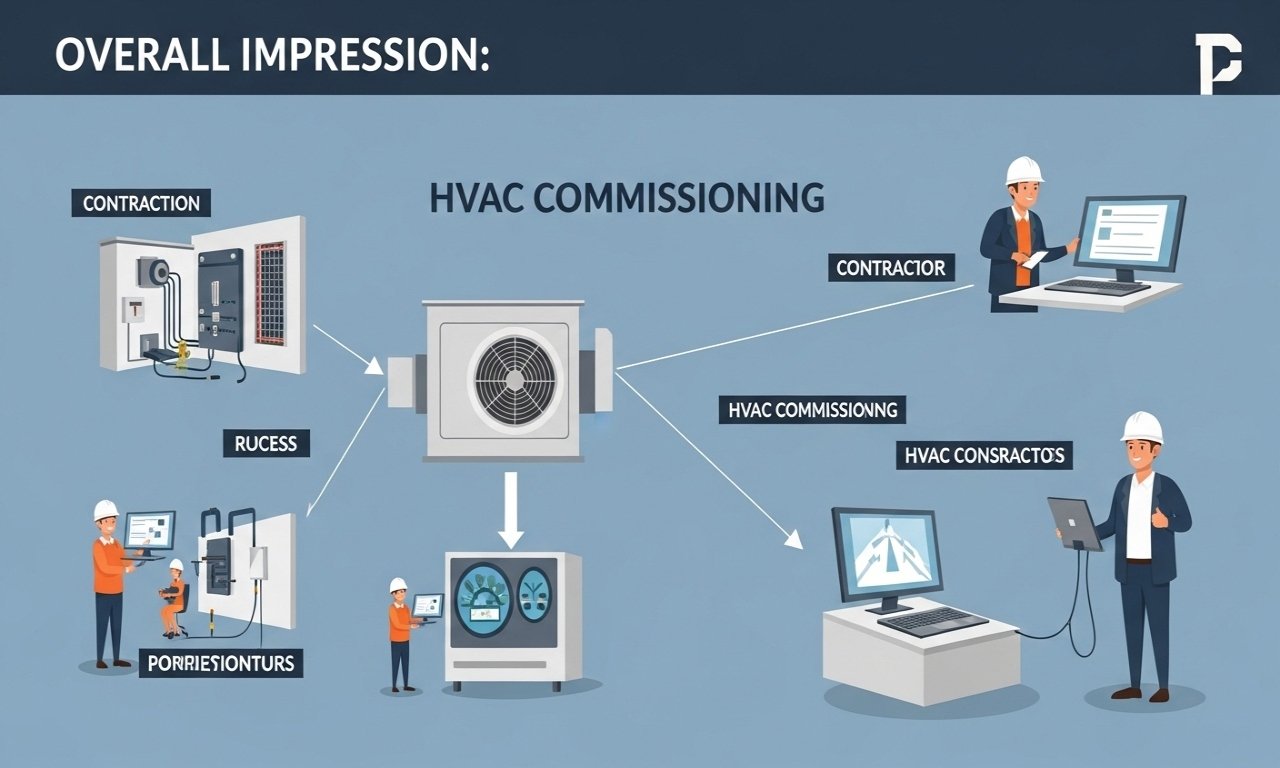
Commissioning a new HVAC install is the difference between equipment that merely turns on and a system that delivers stable comfort, safe operation, and predictable energy use. Even when the correct model is installed, small setup details can lead to noisy airflow, uneven temperatures, weak humidity control, and unnecessary wear. Contractors use commissioning workflows to verify that the system matches the home and that every component is operating within design limits. This includes airflow measurement, refrigerant verification, safety checks, control setup, and duct performance testing. Commissioning also reduces callbacks by catching issues before the homeowner experiences them on the first extreme-weather day. A structured workflow keeps the team consistent across jobs, ensures documentation is captured, and makes it easier to support the system later. The goal is not a perfect spreadsheet, but a repeatable process that confirms the installation is delivering what it was meant to provide.
Verify performance, not just power.
- Pre-start checks that prevent early problems
Contractors typically begin commissioning before the system ever runs. They confirm the equipment model numbers match the design, check that line sets are sized correctly, and verify the indoor coil and outdoor unit are properly paired. Electrical checks include confirming breaker size, wire gauge, grounding, and disconnect function, and inspecting low-voltage connections to ensure controls communicate reliably. Gas furnaces require additional steps, such as confirming venting materials, slope, and termination clearances, and verifying that combustion air provisions are not blocked. Drainage is also critical. The condensate line must be trapped when required, pitched correctly, and routed to a safe discharge location with an overflow strategy if needed.
Duct connections are inspected for proper sealing, tight collars, and adequate support to ensure sagging flex runs or crushed sections do not restrict airflow. The filter slot is checked for bypass gaps, as unfiltered air can quickly dirty a new coil. Many problems that later appear to be performance defects are actually pre-start issues, such as a loose return grille causing whistling or a miswired thermostat causing short cycling. These checks are fast, but they set up the system for stable measurements once the unit is powered.
- Airflow commissioning and static pressure validation
Airflow is one of the most important commissioning steps because it affects comfort, equipment safety, and humidity control. Contractors measure total external static pressure to see how hard the blower is working against the duct system, filter, and coil. If static pressure is high, they investigate potential restrictions such as undersized returns, overly restrictive filters, tight grilles, or sharp turns in duct runs. They then set blower speed or airflow profiles to match the equipment requirements for heating and cooling modes. Check delivered airflow at key registers to confirm major rooms are receiving appropriate volume and that balancing dampers are set logically rather than randomly.
This is where the duct system and the equipment become one integrated system. A team promoting itself as a Leading HVAC Contractor Serving the Portland Area may emphasize this step because airflow issues are a frequent cause of comfort complaints, even with new equipment. Proper airflow commissioning also includes verifying temperature rise in heating and temperature split in cooling, not as a final answer, but as a cross-check that airflow is in a reasonable range. When airflow is correct, the system typically runs quieter, cycles less erratically, and holds setpoints more evenly.
- Refrigerant charge, system pressures, and coil performance
After airflow is verified, contractors commission the refrigerant side. For many systems, charge verification is performed using manufacturer procedures that rely on outdoor temperature. Indoor wet-bulb temperature, superheat, and subcooling targets. This step must be performed after the system has stabilized, as readings drift during startup. Contractors also check that the metering device is correct for the application and that the line set length and elevation changes are within acceptable limits. For heat pumps, commissioning includes confirming the operation of the reversing valve, defrost controls, and whether auxiliary heat is staged properly. Coil performance is monitored by observing suction line temperatures, liquid line conditions, and overall behavior during load changes.
A common commissioning mistake is adjusting charge to chase an expected pressure rather than following target superheat or subcooling, which can lead to seasonal problems later. Contractors also inspect for refrigerant leaks at flare fittings, brazed joints, and service ports, since early leaks can cause a gradual performance decline that is hard to notice until peak season. Proper charging improves efficiency and reduces compressor stress. It also helps humidity control because the coil stays at the intended operating temperature range.
Commissioning new HVAC installs requires a repeatable workflow that verifies airflow, refrigerant performance, safety functions, and control setup rather than relying on a quick startup. Contractors begin with pre-start inspections, then validate static pressure and airflow, confirm refrigerant charge against manufacturer targets, and test safety and control logic to ensure reliable operation. Documentation and homeowner education complete the process by setting expectations and creating baselines for future service. When commissioning is done thoroughly, the system runs quieter, maintains comfort more evenly, and avoids early failures and callbacks during the first demanding season.