
 By Callum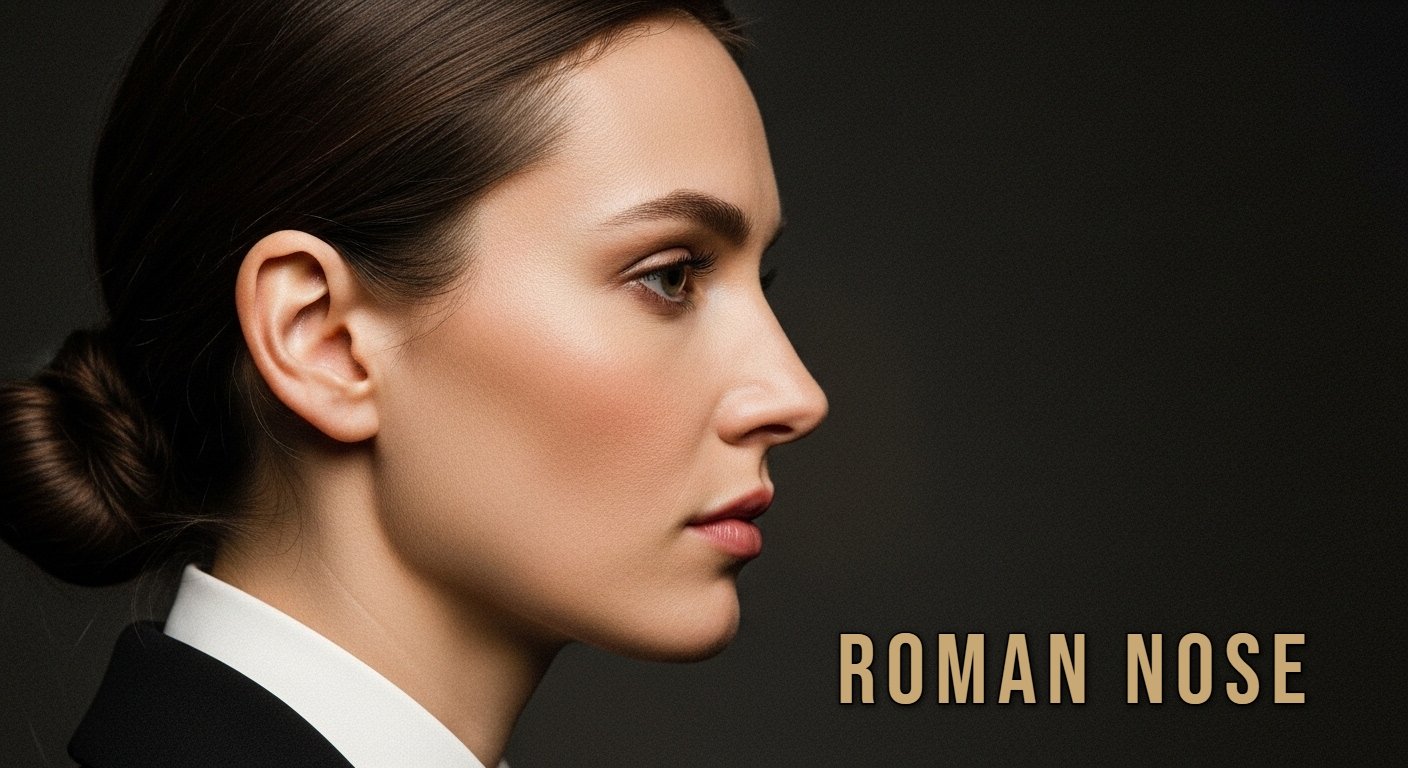
Let’s talk about one of the most striking, gorgeous, and absolutely fascinating facial features out there! Have you ever looked at a classic portrait or a stunning modern photograph and immediately been drawn to the person’s profile? Chances are, you were captivated by an aquiline profile. It is full of character, rich with history, and radiates an undeniable sense of strength. I completely understand why so many people are obsessed with this unique look!
When I first started diving into the history of different facial features, I thought, why do we focus so much on the eyes or lips when the bridge of the face holds so much architectural beauty? This specific profile is characterized by a prominent bridge that gives it a beautiful, slight curve. It is powerful, it is elegant, and it absolutely deserves a spotlight!
If you happen to have one, or if you simply appreciate the beauty of a strong profile, you are in the right place. Grab a cozy drink, settle in, and let’s explore the magnificent world of the Roman Nose together!
What Exactly Is This Gorgeous Profile?
Do not be confused by the name—you don’t have to be from Italy to rock this look! The term refers to a nasal profile with a prominent, curved bridge. The name comes from the way this feature was depicted in ancient classical sculpture, where artists used it to signify nobility, wisdom, and leadership.
You might also hear it called an aquiline shape, which stems from the Latin word aquilinus, meaning “eagle-like.” I know, comparing a face to an eagle sounds a bit wild at first! But when you think about it, eagles are majestic, fierce, and incredibly beautiful creatures. Having a profile that mimics the proud curvature of an eagle’s beak is a true mark of distinction.
Anatomy of a Strong Bridge
So, what makes it so beautifully unique? It all comes down to the bone structure. The nasal bone at the top sits a bit higher or is slightly more pronounced, creating a convex curve before tapering down to the tip.
Here is a quick tip if you are trying to figure out if you have one: grab a mirror and look at your side profile. If you see an outward curve on the bridge rather than a straight line or a slope, congratulations! You have this incredibly distinctive, historically revered trait.
A Journey Through History: Power and Leadership
Now let’s talk about the history. It’s a completely fascinating journey! When we look back at ancient civilizations, facial features were heavily loaded with symbolism. In ancient Rome, a strong, curved profile wasn’t just considered attractive; it was the ultimate power move!
The Emperors and Their Portraits
If you stroll through any museum featuring ancient antiquities, take a close look at the marble busts of emperors and generals. Julius Caesar is a fantastic example! Sculptors deliberately emphasized this trait on his statues and coins. They wanted to project authority, intelligence, and dominance.
A prominent bridge on a Roman Nose was seen as an indicator of a person who could command armies and lead nations. It showed that the person was fearless and capable. Even if an emperor didn’t naturally have a perfectly aquiline shape, artists would often exaggerate it in their artwork to ensure the ruler looked as powerful as possible. Isn’t it amazing how beauty standards and symbols of power intertwine?
The Renaissance Revival
Fast forward to the Renaissance period, and the admiration for this look came roaring back! Artists like Michelangelo and Leonardo da Vinci studied classical antiquity with incredible enthusiasm. They brought back the strong, curved profile as a marker of ideal beauty and intellectual depth.
When painting saints, philosophers, and royalty, they frequently gave them this exact feature to convey a sense of gravitas and spiritual superiority. I highly recommend looking closely at Renaissance portraiture the next time you browse an art gallery—you will spot this majestic curve everywhere!
Cultural Interpretations Around the World
While the name ties it to ancient Europe, this beautiful facial feature is found all over the globe, and different cultures have celebrated it in their own unique ways.
Native American Heritage
In many Indigenous cultures of North America, a prominent, hooked profile was common among certain tribes and was often viewed with immense respect. It was historically associated with great warriors and tribal leaders. The shape was considered a sign of bravery, endurance, and deep wisdom. I absolutely love how a single physical trait can carry such profound, positive connotations across completely different continents and cultures!
Middle Eastern and South Asian Elegance
In many Middle Eastern and South Asian cultures, a strong, curved bridge is incredibly common and highly regarded. It is seen as a sign of strong lineage, character, and classical beauty. In Persian poetry and literature, a striking profile is often romanticized and compared to elements of nature.
Modern-Day Relevance: Embracing Unique Beauty
For a while in the 20th century, Western beauty standards became heavily fixated on small, sloped, or “button” shapes. People actually started feeling self-conscious about having a strong, distinctive profile. Can you believe that? Some people even rushed to change their gorgeous, aristocratic profiles to fit a cookie-cutter mold.
But I am absolutely thrilled to say that the tide has turned! We are living in an era that celebrates individuality, diversity, and unique beauty. The modern beauty community is finally recognizing that standing out is way more exciting than blending in.
The Rise of the Strong Profile in Pop Culture
Look at the amazing celebrities who rock a strong, curved profile with absolute confidence! Actors like Meryl Streep, Adrien Brody, and Lady Gaga have proven that a distinctive appearance is deeply captivating. They haven’t let outdated, narrow beauty standards pressure them into altering the very things that make their faces so incredibly expressive and memorable.
When you see someone with a gorgeous aquiline profile on the big screen, they just command your attention. They have a regal, unforgettable presence that a perfectly symmetrical, standard face sometimes lacks.
Tips for Highlighting Your Striking Feature
If you are blessed with a Roman Nose, you might be wondering how to best play up your fabulous profile. I have some fantastic, super easy tips for you!
Makeup Magic
You do not need to contour your unique shape away! Instead of trying to hide that beautiful curve, try these easy makeup tricks:
- Glow Up the Bridge: Use a subtle liquid highlighter right on the highest point of your bridge. It catches the light beautifully and draws attention to your regal bone structure!
- Bold Brows: A strong feature pairs perfectly with strong brows! Fill your eyebrows in so they look lush and thick. This balances out your face and creates a stunning, harmonious look.
- Statement Lips: I highly recommend trying out a bold red or a deep berry lipstick. A vibrant lip beautifully balances a prominent profile and gives you an incredibly glamorous, high-fashion vibe!
Fabulous Hair Choices
Your hairstyle can also beautifully complement your profile!
- Bangs: Soft, curtain bangs frame the face wonderfully and add a touch of softness to a sharp, strong profile.
- Updos: Don’t be afraid to pull your hair back into a sleek ponytail or a messy bun! Let your profile take center stage. When you wear your hair up, you show off your neck, your jawline, and your gorgeous curved bridge!
- Voluminous Layers: Adding volume to the back of your hair can perfectly balance a prominent facial feature, giving your entire head a beautifully proportioned silhouette.
The Psychology of the Aquiline Profile
Have you ever wondered if our facial structures actually influence our personalities? While face-reading (physiognomy) is an ancient practice rather than an exact science, it is incredibly fun to look into!
According to traditional face-reading theories, people with an aquiline shape are natural-born leaders. They are thought to be ambitious, courageous, and highly analytical. They are the planners, the strategists, and the ones who aren’t afraid to take charge when things get chaotic.
Whether you believe in physiognomy or not, it is easy to see why these associations exist. When you carry a feature that historically belonged to conquerors and queens, you are bound to walk with a little extra confidence!
Why You Should Love Your Unique Look
Let’s be completely honest: the journey to loving our own unique features can sometimes be a bit bumpy. We are constantly bombarded with filters and edited photos that try to convince us there is only one acceptable way to look.
But a Roman Nose is as much a piece of art as it is a part of your face. It is a family heirloom passed down through generations. It tells a story of your ancestors, their resilience, and their strength. When you look in the mirror, try to see the beautiful history carved into your reflection!
I want you to challenge any negative thoughts you might have about your profile. The next time you catch your side-profile in a photo or a mirror, don’t immediately look for flaws. Instead, admire the architecture of it. Notice how the light hits the curve. Appreciate the character it gives your entire face.
Final Thoughts!
This magnificent feature is so much more than just a shape. It is a symbol of power, a marker of classical beauty, and a deeply fascinating piece of human history. From the statues of ancient emperors to the high-fashion runways of today, the aquiline profile has always been a showstopper!
If you have one, wear it proudly! It makes your face interesting, regal, and uniquely yours. Embrace the history, love the culture, and never forget the irresistible charm of a truly distinctive profile. You are absolutely gorgeous, exactly as you are!