
 By Callum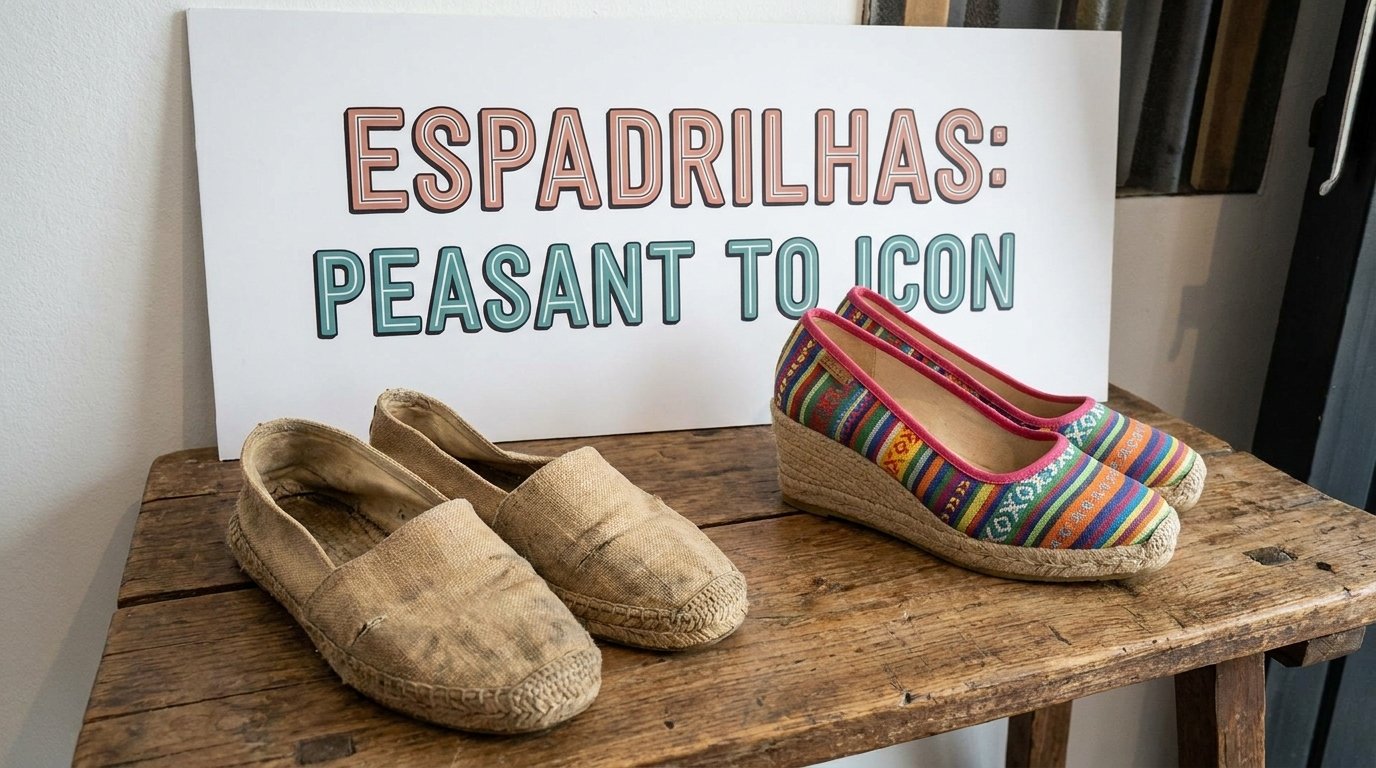
The espadrilhas, also known as alpargatas or espardenyas in different regions, possess a very ancient origin, dating back to the 14th century, when they were worn by peasants and agricultural workers. Few items of footwear can claim such a long, unbroken history while still remaining relevant on modern runways and city streets. The espadrilhas have transcended their humble beginnings to become a global symbol of casual comfort, summer style, and artisanal craftsmanship. This article explores the rich history, traditional construction, cultural variations, and enduring popularity of espadrilhas in the 21st century.
Ancient Origins: The 14th Century and Beyond
The story of the espadrilhas begins long before the 14th century, though that is when they first entered written records. The espadrilhas, or alpargatas and espardenyas as they are commonly known, possess a very ancient origin, dating back to the 14th century, when they were worn by peasants and soldiers in the Kingdom of Aragon, which covered parts of modern-day Spain and France. However, archaeological evidence suggests that some form of rope-soled footwear existed even earlier, potentially as far back as 4,000 years ago in ancient Egypt and Mesopotamia. The key innovation of the espadrilhas was the use of esparto grass (Stipa tenacissima and Lygeum spartum), a tough, flexible fiber native to the Iberian Peninsula and North Africa.
The name espadrilhas itself derives from the Catalan word espart (esparto grass). In Spanish, they are more commonly called alpargatas, which comes from the Arabic word al-bargaṭ, referring to a coarse shoe. The Portuguese, particularly in the Minho region, adopted the term espadrilhas to describe the same woven-sole footwear. By the 14th century, the espadrilhas were a staple among the rural poor. They were cheap, breathable, and easy to replace. Peasants working in the hot, dry fields of Catalonia, Valencia, and the Balearic Islands prized espadrilhas for their ability to keep feet cool while providing a flexible, non-slip grip on dusty or muddy ground.
You Might Also Like: BK 182
Traditional Construction: The Art of the Esparto Sole
What truly defines an espadrilhas is its sole. Unlike leather or wooden soles, the traditional espadrilhas sole is made from twisted esparto grass rope or jute. The process is remarkably unchanged over centuries. First, the esparto grass is harvested, soaked in water to soften, then beaten and dried. The fibers are then twisted by hand or simple machine into ropes of varying thickness. These ropes are coiled into an oval or figure-eight pattern and sewn together with strong linen or cotton thread. This creates a flexible, breathable, and surprisingly durable sole that molds to the wearer’s foot over time.
The upper part of the espadrilhas originally consisted of simple canvas or cotton cloth—often leftover scraps from other garments. The fabric is cut, stitched, and attached to the rope sole by a process called vulcanization (after rubber was introduced) or by stitching directly through the rope. Traditional espadrilhas have no left or right foot differentiation initially; the canvas upper is straight, and the wearer’s foot naturally shapes the sole. The heel is typically flat, and the toe is rounded or slightly pointed. The back of the espadrilhas often features a flexible heel counter that can be folded down to wear the shoe as a slip-on or mule.
Regional Variations: Alpargatas and Espardenyes
While espadrilhas is the Portuguese term, two other names are closely related and refer to essentially the same footwear. The first is alpargatas, used in Spain and Latin America. In Argentina and Uruguay, alpargatas became a working-class icon, particularly associated with rural laborers and later with the revolutionary figure Che Guevara, who often wore them. In the Basque Country, a specific type of alpargata called abarkas was used by shepherds. The second variation is espardenyes (Catalan), which often have a more pronounced rope sole and a distinctive pointed toe, sometimes reinforced with leather. In the Balearic Islands, espardenyes have evolved into avarcas (Menorcan sandals), which are a hybrid of a sandal and an espadrilhas, featuring a leather upper and a jute or esparto sole.
In Portugal, espadrilhas have their own distinct identity. The Minho region in northern Portugal, known for its lush greenery and traditional weaving, became a center of espadrilhas production. Portuguese espadrilhas often feature brighter colors, more intricate canvas patterns, and a slightly softer jute sole compared to the harsher esparto varieties. They were traditionally worn by farmers, fishermen, and pilgrims walking the Caminho de Santiago to Santiago de Compostela. Unlike the Spanish alpargata, which often has a more utilitarian beige or brown appearance. Portuguese espadrilhas embraced colorful stripes, checks, and even floral patterns.
The 20th Century: From Field to Fashion
The espadrilhas remained purely functional footwear for nearly six centuries. The turning point came in the 1960s and 1970s, when European and American counterculture movements began rediscovering traditional, handmade goods. Celebrities and style icons like Salvador Dalí, Pablo Picasso, John Lennon, and later Grace Kelly and Audrey Hepburn were photographed wearing espadrilhas. The shoe’s simple, anti-fashion aesthetic became the ultimate fashion statement. The espadrilhas was no longer a mark of poverty but a symbol of effortless, bohemian cool.
The 1960s also saw the birth of the modern espadrilhas industry. The Spanish company Viscata (founded in 1927) and the French company Castañer (established in 1776 but revitalized in the 1970s) began producing espadrilhas for an international market. Crucially, in the 1970s, Castañer collaborated with the legendary fashion designer Yves Saint Laurent to create the first wedge-heeled espadrilhas. This innovation—adding a jute-wrapped wedge heel and a rubber sole—transformed the espadrilhas into a sophisticated summer shoe suitable for dresses, suits, and evening wear. The wedge espadrilhas became an instant classic and remains a staple of warm-weather fashion today.
The Rise of the Global Brand: TOMS and Beyond
The 21st century witnessed another revolution in the history of espadrilhas with the founding of TOMS in 2006. While TOMS does not use the term espadrilhas publicly, its “Classic Alpargata” shoe is a direct descendant of the traditional espadrilhas. TOMS adopted the canvas upper, the flexible rope (now often synthetic or rubber) sole, and the simple slip-on design. The company’s “One for One” model—donating a pair of shoes to a child in need for every pair sold—catapulted the alpargata style into global mass production. Within a few years, millions of people around the world who had never heard the word espadrilhas were wearing a modernized version of this 14th-century peasant shoe.
However, the rise of mass-market espadrilhas also created tensions. Traditional artisans in Spain and Portugal found it difficult to compete with cheap, machine-made versions from Asia. In response, a renewed appreciation for authentic, handcrafted espadrilhas emerged. Brands like La Manual Alpargatera (founded in 1948 in Barcelona, famous for making espardenyes for Dalí) and the Portuguese company Sapataria do Carmo have preserved traditional techniques. Today, a clear divide exists: machine-made espadrilhas for fast fashion, and artisan-made espadrilhas for purists who value durability, sustainability, and cultural heritage.
How to Wear Espadrilhas Today
The enduring appeal of espadrilhas lies in their versatility. Unlike sneakers or leather sandals, espadrilhas strike a perfect balance between casual and put-together. Traditional flat espadrilhas (with or without a heel counter that folds down) pair perfectly with linen trousers, cotton shorts, sundresses, or rolled-up jeans. They are ideal for beachside restaurants, summer festivals, or a relaxed day at the office when the dress code is smart-casual. Wedge espadrilhas offer height without discomfort; the jute wedge is lighter than wood or stacked leather, and the canvas upper is soft and forgiving. They work beautifully with maxi dresses, midi skirts, or wide-leg pants.
When choosing espadrilhas, pay attention to the sole. Traditional jute or esparto soles are breathable but offer no arch support and very little grip on wet surfaces. Many modern espadrilhas add a thin rubber or EVA (ethylene-vinyl acetate) layer on the bottom, which dramatically improves durability and traction. Also consider the fit: true espadrilhas should feel snug at first because the jute will compress and stretch slightly with wear. Avoid styles that are too loose, as the canvas does not have the same retention as leather.
Sustainability and the Future of Espadrilhas
As consumers become more environmentally conscious, the espadrilhas is poised for another renaissance. The core materials—jute, esparto grass, cotton, and canvas—are natural, biodegradable, and renewable. Jute, in particular, grows quickly with minimal water and pesticides, and it sequesters carbon dioxide during growth. Artisan espadrilhas production has a very low carbon footprint compared to synthetic sneakers that use petrochemical-based foams and plastics. Several contemporary brands are reviving the ancient tradition of making espadrilhas entirely by hand, using organic cotton and natural dyes.
Nevertheless, challenges remain. Most mass-market espadrilhas today are made with synthetic glue, rubberized soles that are not biodegradable, and factory-produced canvas. The term espadrilhas has no legal protection, meaning anyone can label a shoe as an espadrilhas even if it contains no natural fibers. To find authentic, sustainable espadrilhas, consumers should look for “100% jute sole,” “esparto grass,” or “handmade in Spain/Portugal.”
Conclusion: A Quiet Legend
The espadrilhas, also known as alpargatas and espardenyas, possess a very ancient origin, dating back to the 14th century, when they were worn by peasants, soldiers, and laborers who needed practical, inexpensive footwear. From those dusty fields, the espadrilhas has traveled across oceans, through revolutions, and onto the feet of artists, movie stars, and fashion designers. It has survived industrialization, mass production, and the whims of trend-driven fashion. Today, the espadrilhas remains a quiet legend: humble in origin, elegant in simplicity, and remarkably relevant in a world that is only now rediscovering the value of sustainable, handcrafted goods. Whether you call them espadrilhas, alpargatas, or espardenyes, you are wearing a piece of living history—one that began more than seven centuries ago and shows no sign of fading away.