
 By Callum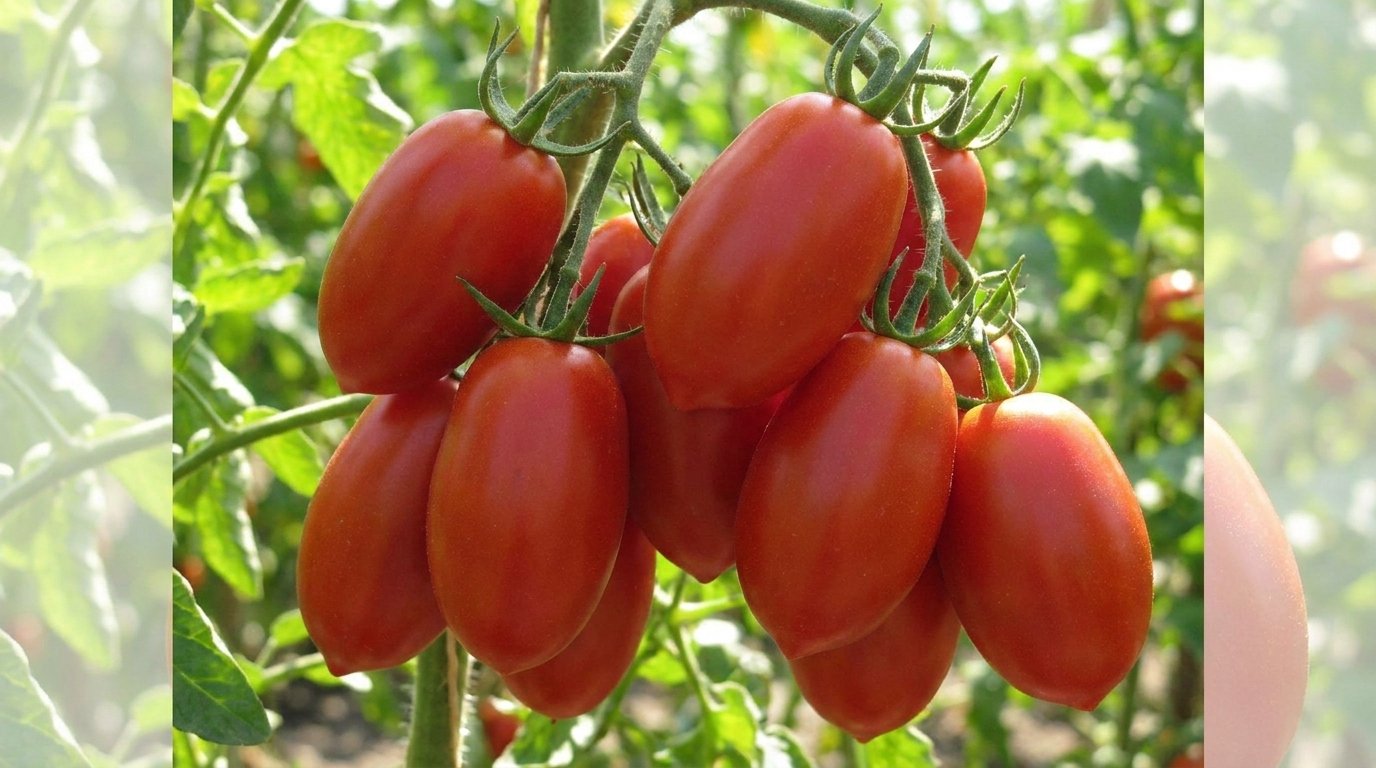
The plum tomato, also known in the United States as a processing tomato or paste tomato, is a type of tomato bred for sauce and packing purposes. While round slicing tomatoes dominate supermarket shelves and salad bowls, the plum tomatoes are the unsung heroes of the kitchen—the workhorses that transform into rich pasta sauces, concentrated pastes, canned whole tomatoes, and sun-dried delicacies. With their oblong shape, meaty flesh, and low moisture content, plum tomatoes offer culinary advantages that no other tomato can match. This article explores the origins, key varieties, cultivation, nutritional profile, and countless uses of plum tomatoes in home and professional cooking.
What Defines a Plum Tomato?
Before diving into history, it is essential to understand what makes plum tomatoes distinct. Unlike beefsteak or cherry tomatoes, plum tomatoes are characterized by an oval or cylindrical shape, resembling a small plum or a large olive. They typically measure 2 to 4 inches in length. The internal structure is what truly sets them apart: plum tomatoes have fewer seed chambers (locules) than round tomatoes—usually two instead of four or five. This means less gelatinous pulp and more solid flesh. The walls of plum tomatoes are thicker, and the water content is significantly lower (around 90-92% water compared to 94-95% in slicers). Consequently, plum tomatoes have a higher percentage of tomato solids, including sugars, acids, and flavor compounds. When cooked, they break down into a thick, rich sauce without becoming watery or requiring hours of reduction.
The plum tomato, also known in the United States as a processing tomato or paste tomato, is a type of tomato bred for sauce and packing purposes. This breeding focus is critical: while you can eat plum tomatoes raw, their true potential emerges through heat. Commercial canning factories favor plum tomatoes because they retain their shape during sterilization, and their low water content reduces shipping weight and spoilage.
You Might Also Like: Foenegriek Guide
A Brief History: From South America to San Marzano
The story of plum tomatoes begins with the wild ancestor of all cultivated tomatoes, Solanum pilosum (formerly Lycopersicon esculentum var. cerasiforme), native to the coastal highlands of Peru and Ecuador. The first domesticated tomatoes were small and round, similar to modern cherry tomatoes. As tomatoes spread to Mexico and then to Europe after the Spanish colonization of the Americas, farmers began selecting for different traits. In Italy, particularly in the Campania region around Naples and Salerno, a unique mutation produced an elongated, plum-shaped fruit. This was the ancestor of the famous San Marzano tomato.
By the 18th century, plum tomatoes had become established in Italian cuisine. Southern Italy’s volcanic soil (particularly from Mount Vesuvius) and Mediterranean climate proved ideal for developing dense, flavorful paste tomatoes. The plum tomato, also known in the United States as a processing tomato or paste tomato, is a type of tomato bred for sauce and packing purposes, and this purpose became vital to Italian immigrants in the late 19th and early 20th centuries. When Italians moved to the United States, they brought seeds of their plum tomatoes with them. In California, a similar agricultural revolution was underway. The state’s long, dry summers mimicked the Mediterranean, and by the 1930s, California became the epicenter of tomato processing. Researchers at the University of California, Davis, developed machine-harvestable plum tomatoes with uniform ripening and firm flesh. Varieties like ‘Roma’ (introduced in 1955) became the standard for the American canned tomato industry.
Major Varieties of Plum Tomatoes
Not all plum tomatoes are identical. They range from heirloom treasures to high-yield commercial hybrids. Below are the most important types:
1. San Marzano: Considered the gold standard. True San Marzano plum tomatoes are grown in the Agro Sarnese-Nocerino region between Naples and Salerno, Italy, and have a Protected Designation of Origin (PDO) status. They are longer, pointier, and have a sweeter, less acidic flavor than Roma tomatoes. The flesh is denser, with almost no seeds. Counterfeit San Marzano seeds are common; authentic seeds produce fruit with a distinct garlic-clove shape.
2. Roma: The most widely grown plum tomato in the world. Developed by the USDA and the University of California, Roma tomatoes are reliable, disease-resistant, and productive. They are smaller than San Marzano, with a blunt end and bright red color. While less flavorful than heirlooms, Roma plum tomatoes are excellent for canning, sauces, and commercial soups.
3. Amish Paste: An heirloom plum tomato from the Amish communities of the Midwestern United States. It produces large, heart-shaped to cylindrical fruits weighing up to 12 ounces. Amish Paste plum tomatoes have a rich, sweet, old-fashioned tomato flavor—superior to any hybrid for fresh sauces and salsas.
4. Italian Heirloom (also called Heidi or Martino’s Roma): These are open-pollinated plum tomatoes that predate the Roma hybrid. They are smaller and more irregular than Roma but offer superior taste, often described as “tomatoey” with balanced sweetness and acidity.
5. Plum Regal: A modern hybrid bred for disease resistance, particularly against late blight and verticillium wilt. These plum tomatoes are firm, uniform, and ideal for organic growers who need reliability.
Growing Plum Tomatoes at Home
For the home gardener, plum tomatoes are often easier to manage than large slicing tomatoes. Because they are determinate plants—meaning they grow to a fixed size (usually 3–4 feet tall) and set all their fruit within a two-to-three-week period—they do not require staking as heavily as indeterminate vines. Determinate plum tomatoes also concentrate their ripening, making them perfect for batch processing into sauce or canning.
Plant plum tomatoes in full sun (at least 6–8 hours daily) in well-drained, loamy soil with a pH between 6.0 and 6.8. They are heavy feeders; incorporate compost or aged manure before planting. Space plants 18–24 inches apart. Water consistently but avoid overhead watering, as plum tomatoes can be prone to cracking if they receive heavy rain after a dry spell. Mulch around the base to retain moisture and prevent soil splash on leaves. Harvest plum tomatoes when they are fully colored (deep red, orange, or yellow depending on variety) but still firm. A ripe plum tomato will yield slightly to gentle pressure.
Nutritional Profile of Plum Tomatoes
Plum tomatoes are nutritional powerhouses, especially when cooked. They are an excellent source of:
Lycopene: A powerful antioxidant linked to reduced risk of prostate cancer, heart disease, and UV skin damage. Cooking plum tomatoes with a little oil increases lycopene bioavailability significantly.
Vitamin C: One medium plum tomato provides about 20% of the daily recommended intake.
Vitamin K: Essential for blood clotting and bone metabolism.
Potassium: Important for blood pressure regulation.
Folate (B9): Crucial for DNA synthesis and red blood cell formation.
Because plum tomatoes have less water than round tomatoes, their nutrients are more concentrated per gram. A 100-gram serving of cooked plum tomato sauce contains nearly double the lycopene of the same weight of raw beefsteak tomatoes.
Culinary Uses: Why Chefs Choose Plum Tomatoes
The plum tomato, also known in the United States as a processing tomato or paste tomato, is a type of tomato bred for sauce and packing purposes, and professional chefs rely on this bred purpose daily. Here are the primary culinary applications:
1. Tomato Sauce: The classic use. Because plum tomatoes have less water and more pectin, they break down into a naturally thick sauce. Simply sauté garlic in olive oil, add chopped plum tomatoes (fresh or canned), and simmer for 20–30 minutes. No need for tomato paste to thicken.
2. Canned Tomatoes: Over 80% of canned tomatoes sold in the United States are plum tomatoes (usually Roma or San Marzano). The low moisture prevents the tomatoes from turning to mush during the canning process. Whole peeled plum tomatoes retain their shape and texture for years.
3. Tomato Paste: To make paste, plum tomatoes are cooked for hours to evaporate almost all water content. The high solids-to-water ratio of plum tomatoes means less cooking time and a more concentrated flavor than if using slicers.
4. Sun-Dried Tomatoes: The dense flesh of plum tomatoes dehydrates beautifully without turning brittle or leathery. Oil-packed sun-dried plum tomatoes are a Mediterranean staple.
5. Salsas and Pico de Gallo: While raw plum tomatoes are not as juicy as slicers, they provide a firm, chunky texture that works well in salsas. Their lower acidity can be balanced with lime juice.
6. Roasted Tomatoes: Halved plum tomatoes drizzled with olive oil, sprinkled with salt and herbs, and roasted at 375°F (190°C) for 45 minutes become caramelized, jammy flavor bombs. Use them on bruschetta, pasta, or pizza.
Canned vs. Fresh: The Great Debate
Many home cooks wonder whether fresh plum tomatoes are superior to canned. The answer depends on season. Fresh plum tomatoes at the height of summer (July–September in the Northern Hemisphere) are unmatched for raw salsas, fresh sauces, and roasting. However, out of season, fresh plum tomatoes are often picked green and ripened with ethylene gas, resulting in bland, mealy fruit. High-quality canned plum tomatoes (look for “San Marzano DOP” or “Italian whole peeled”) are picked at peak ripeness and canned within hours. For winter sauces, soups, and stews, canned plum tomatoes are consistently superior to fresh supermarket imports.
The Future of Plum Tomatoes
Climate change poses challenges to plum tomato cultivation. Extreme heat reduces fruit set, while drought concentrates soluble solids too much, leading to bitter sauce. Breeders are developing plum tomatoes with heat-tolerant flowers and drought-resistant root systems. Additionally, the demand for organic plum tomatoes is rising. New hybrid varieties like ‘Mountain Merit’ and ‘Defiant’ offer disease resistance without genetic modification, allowing organic farmers to produce high yields.
Conclusion
The plum tomato, also known in the United States as a processing tomato or paste tomato, is a type of tomato bred for sauce and packing purposes, and it has earned every bit of its reputation. From the volcanic soils of Campania to the industrial canneries of California, plum tomatoes have shaped the way the world cooks. They are more than just an ingredient; they are a foundation of Mediterranean cuisine, a nutritional ally, and a gardener’s reliable friend. Whether you choose heirloom San Marzano, productive Roma, or tangy Amish Paste, cooking with plum tomatoes means embracing centuries of agricultural wisdom. The next time you open a can of whole peeled tomatoes or simmer a Sunday gravy, remember that you are using a tomato designed by history, perfected by farmers, and destined for your table. Plum tomatoes are, without question, the most valuable tomato you are not eating raw.